
Plant · GBIF taxon 6374790
Solitary Virgin's-bower
Clematis integrifoliaAlso known as Bushy Clematis, Solitary Clematis, Integrifolia Clematis, Eurasian Bush Clematis
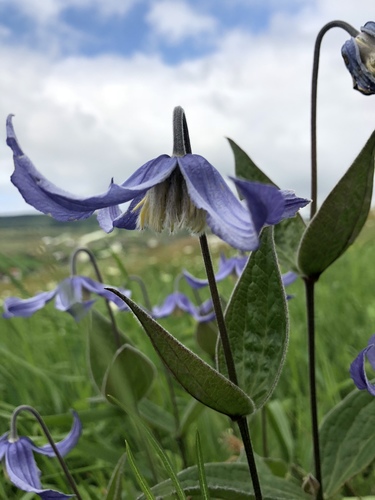
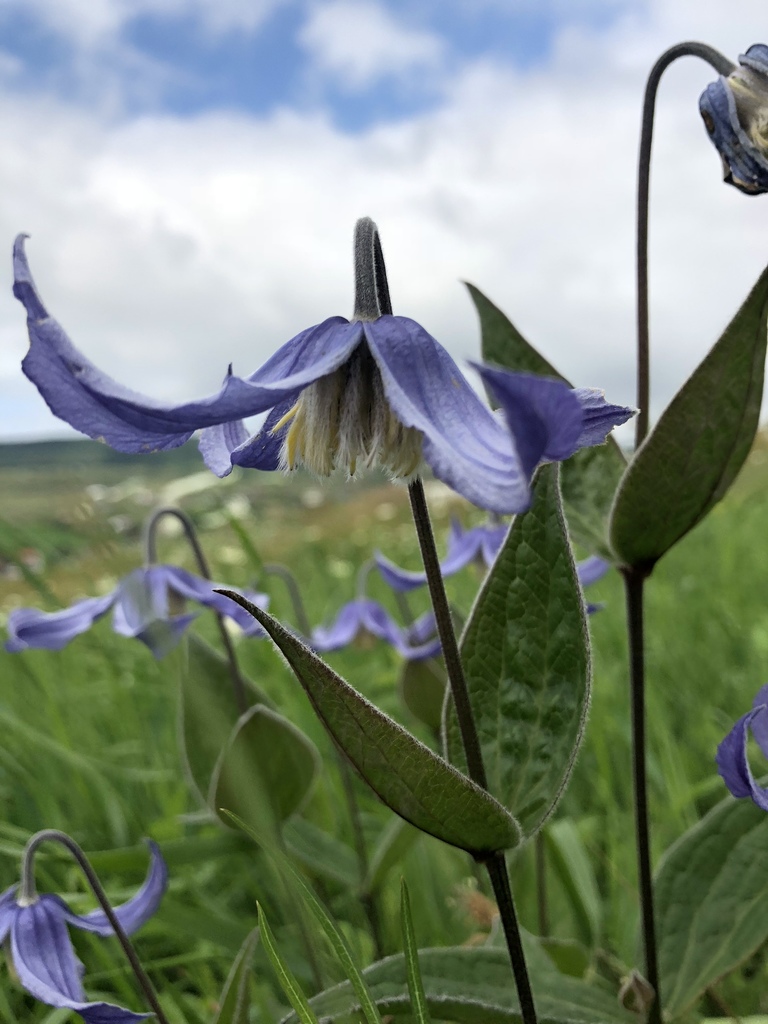
Solitary Virgin's-bower is a unique, non-climbing perennial subshrub that forms neat herbaceous clumps rather than climbing with tendrils. Deep violet-blue bell-shaped flowers nod gracefully atop upright stems throughout midsummer before giving way to persistent, silky silver seed heads. Native to damp meadows and scrublands across Eurasia, it serves as a valuable nectar source for bees while adding refined structural elegance to naturalistic gardens.
PerennialFloweringOrnamental
 1 / 7
1 / 7—observations
—countries
—peak records
Not EvaluatedConservation statusIUCN Red List categoriesLCNTVUENCREWEXNot Evaluated — not placed on the risk ladderRed List categories, explained →
Diet & prey
- Autotrophic (Photosynthetic)
Predators
- Slugs
- Snails
- Aphids
ThreatsHabitat loss, agricultural conversion, invasive weed competition
HabitatsDamp meadows, river valleys, shrublands, forest margins
Life span10–20 years
Classification
- OrderRanunculales
- FamilyRanunculaceae
- GenusClematis
- SpeciesClematis integrifolia
Range data is not available yet.
Interaction riskHigh
- Low
- Moderate
- High
- Very high
- Why interaction risk is high
- Plant sap contains protoanemonin; wear gloves when handling and avoid ingestion.
- Why it is dangerous
- Contains protoanemonin, an irritating chemical compound that causes mouth burning, gastrointestinal distress, and contact dermatitis.
- How to recognize a risky encounter
- Recognized by its non-twining upright stems, smooth unlobed leaves, and solitary nodding violet bell flowers.
- What to do
- Wear gloves when cutting back stems or handling foliage, and keep away from pets and curious children.
Responsible observation
- Support Stems: Stake weak stems or let them sprawl through sturdy neighbor plants since stems lack twining petioles.
- Pruning Strategy: Cut back stems to near ground level in early spring to encourage vigorous new flowering shoots.
- Autumn Interest: Retain fluffy silver seed heads late into autumn for persistent visual appeal and seed-eating birds.
 Image unavailable
Garden Hybrid 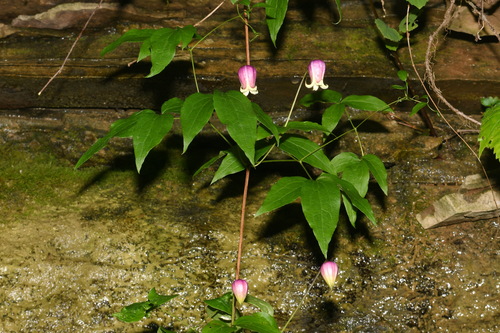
Close Relative (c) Brian Finzel, some rights reserved (CC BY-SA) · cc-by-saClose Relative 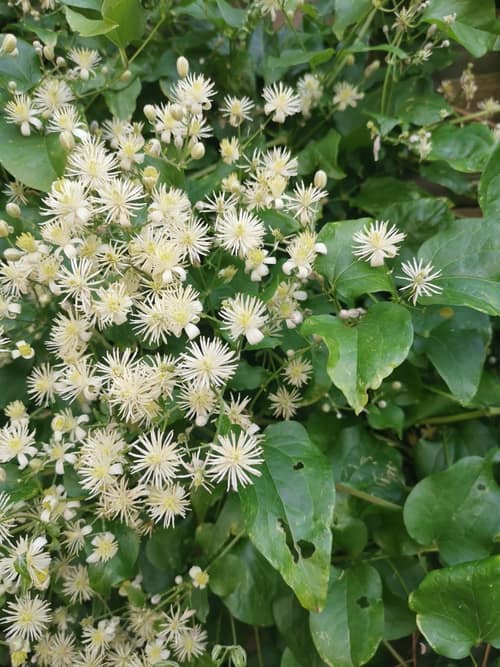
Close Relative (c) Alexis Tinker-Tsavalas, some rights reserved (CC BY), uploaded by Alexis Tinker-Tsavalas · cc-by
Help improve the field guideSomething wrong?
Checking your Fauna account…Report a name, category, or profile issue for review.