
Plant · GBIF taxon 6369819
American Black Elderberry
Sambucus canadensisAlso known as Canada Elderberry, Common Elderberry
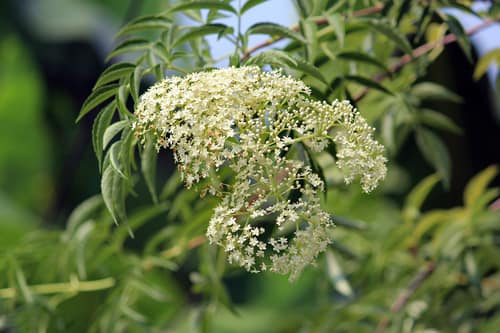
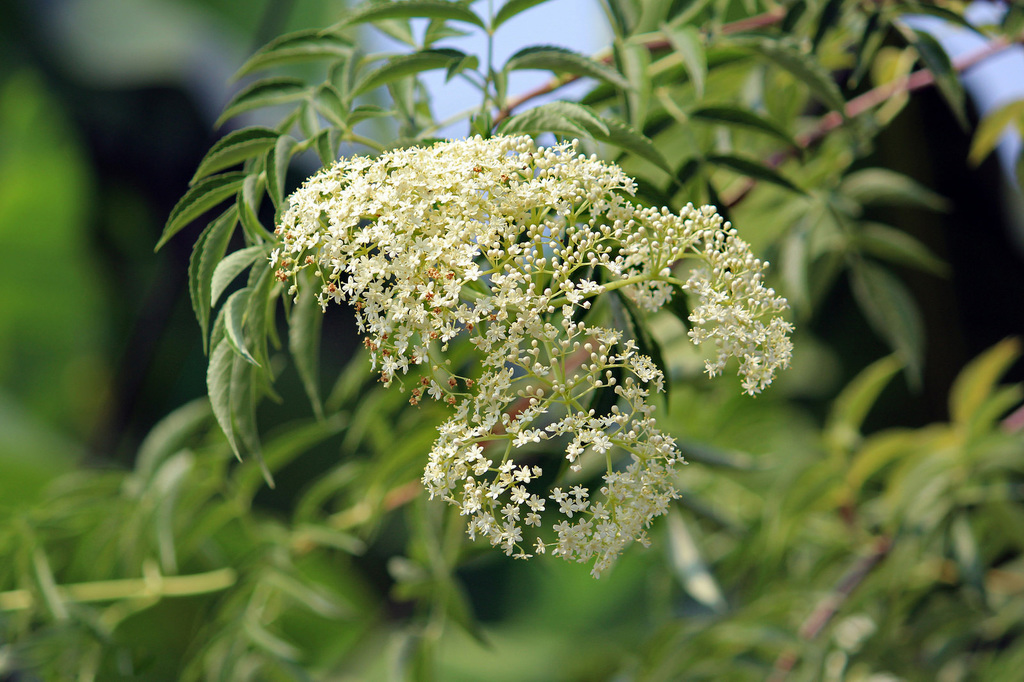
American black elderberry is a many-stemmed shrub with opposite pinnate leaves and broad flat clusters of tiny white flowers. Drooping clusters of purple-black berries follow, feeding many birds and mammals along moist woodland edges and floodplains.
Riparian ShrubFlat Flower ClusterPurple-black Berries
—observations
—countries
—peak records
Not EvaluatedConservation statusIUCN Red List categoriesLCNTVUENCREWEXNot Evaluated — not placed on the risk ladderRed List categories, explained →
Diet & prey
- Photosynthesizes across a broad leafy crown while spreading woody roots draw moisture and minerals from rich riparian soils
Predators
- Fruit-eating birds
- Black bears
- Elderberry borers
ThreatsFloodplain clearing, herbicide use, browsing, repeated mowing, drought, invasive shrubs, and loss of riparian habitat
HabitatsFloodplains, moist forest edges, streambanks, wet thickets, ditches, fields, and disturbed ground
Life spanIndividual stems are relatively short-lived, while a renewing root crown can persist for decades
Size / weightNot available
Classification
- OrderDipsacales
- FamilyViburnaceae
- GenusSambucus
- SpeciesSambucus canadensis
Range data is not available yet.
Interaction riskHigh
- Low
- Moderate
- High
- Very high
- Why interaction risk is high
- Wild elderberries have dangerous look-alikes, and uncooked material may be toxic; do not eat any part based on app identification.
- Why it is dangerous
- Leaves, stems, roots, and unripe berries contain cyanogenic glycosides that can release cyanide and cause serious digestive or neurologic illness.
- How to recognize a risky encounter
- Use opposite compound leaves, flat white flower clusters, and dark drooping berry clusters together, while accounting for dangerous look-alikes.
- What to do
- Do not taste wild material, keep clippings from children and animals, and contact poison specialists after suspected ingestion.
Responsible observation
- Leaves: Confirm opposite leaves divided into several toothed leaflets.
- Clusters: Note broad flat flower heads and later drooping dark berry clusters.
- Foraging: Leave berries for wildlife and never consume material identified only by an app.
Help improve the field guideSomething wrong?
Checking your Fauna account…Report a name, category, or profile issue for review.