Also known as Meadow Fritillary, Todd's Fritillary
Meadow fritillaries flutter low over wet pastures and open grasslands, displaying distinctive squared-off forewing tips that set them apart from other lesser fritillaries. Unlike their silvered relatives, the underside of their hindwings features a warm purplish-brown wash accented with subtle pale chevrons rather than bright reflective spots. Multiple broods take flight between late spring and autumn, with partly grown caterpillars overwintering tucked among fallen leaf litter near their violet host plants.
DiurnalPollinatorGrassland
—observations
—countries
—peak records
Not EvaluatedConservation statusIUCN Red List categoriesLCNTVUENCREWEXNot Evaluated — not placed on the risk ladderRed List categories, explained →
Key facts
Diet & prey
Flower Nectar
Violet Leaves
Predators
Dragonflies
Crab Spiders
Insectivorous Birds
ThreatsWetland drainage, agricultural intensification, and pesticide application
HabitatsWet meadows, pastures, open marshes, and damp grassy roadsides
Life spanAdults live 2–3 weeks; full life cycle spans 1 year
Classification
FamilyNymphalidae
SpeciesClossiana toddi ammiralis
Range & activity
Range data is not available yet.
Safe observation
Interaction riskLow
Low
Moderate
High
Very high
Why interaction risk is low
Safe to observe at a normal distance.
Responsible observation
Morning Basking: Look for them sunning flat-winged on low vegetation or bare soil during early morning hours.
Careful Approach: Walk slowly and avoid casting direct shadows to observe feeding adults up close.
Host Plant Searching: Inspect wild violet patches in damp fields during spring to find active larvae.

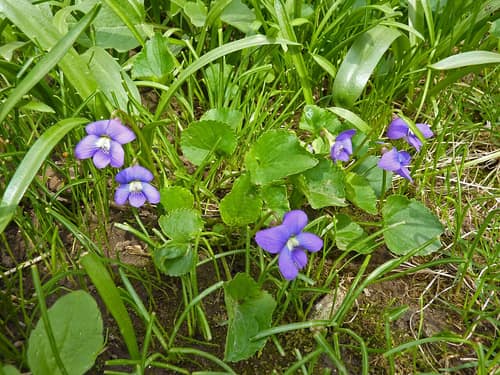
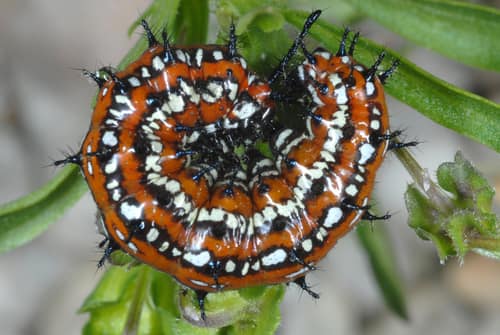
 Image unavailable