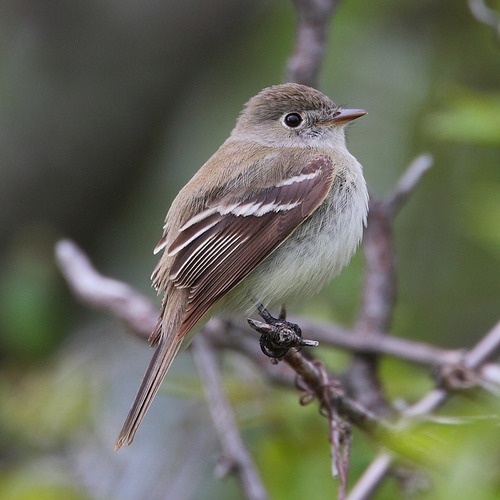
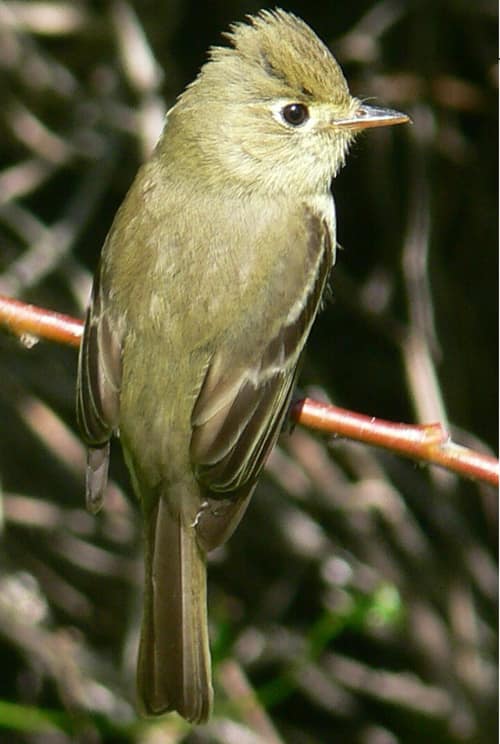
Willow flycatchers spend their summers perched upright on outer branches of wetland shrubs, sallying out in acrobatic loops to snap flying insects from midair. They are visually indistinguishable from several other small flycatchers in the field, making their sharp, sneezed 'fitz-bew' song the primary means of identification. Pairs weave neat cup nests hidden low in dense willow or alder thickets, though extensive loss of mature riparian corridors has fragmented breeding grounds across their range.
ThreatsRiparian habitat degradation, water diversion, and nest parasitism
HabitatsDense riparian willow thickets, brushy wetlands, and stream corridors
Life span3–5 years (up to 11 years recorded in the wild)
Classification
FamilyTyrannidae
SpeciesEmpidonax traillii extimus
Range & activity
Range data is not available yet.
Safe observation
Interaction riskLow
Low
Moderate
High
Very high
Why interaction risk is low
Safe to observe at a normal distance.
What to notice
Recognized by its dull olive-gray body, pale wing bars, and raspy two-note 'fitz-bew' song delivered from willow stands.
Support conservation
Maintain distance using binoculars and refrain from playing recorded vocalizations near active breeding territories.
Responsible observation
Identify by Voice: Listen for the distinctive 'fitz-bew' song during breeding season, as visual identification among related flycatchers is exceedingly difficult.
Respect Dense Cover: Stay on established trails near wetlands to avoid trampling sensitive nesting brush or stressing incubating pairs.
Watch Willow Perches: Scan exposed twigs protruding over water or marsh clearings where adults repeatedly hunt for passing insects.

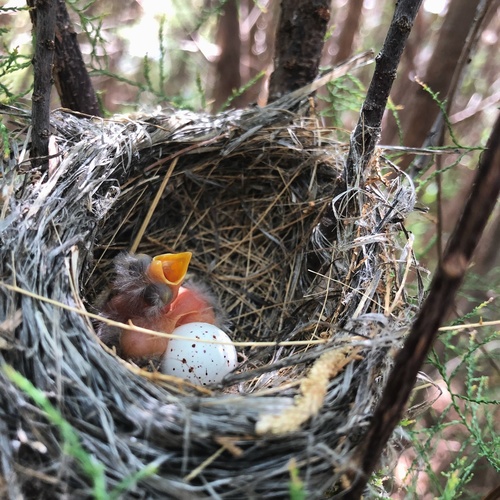
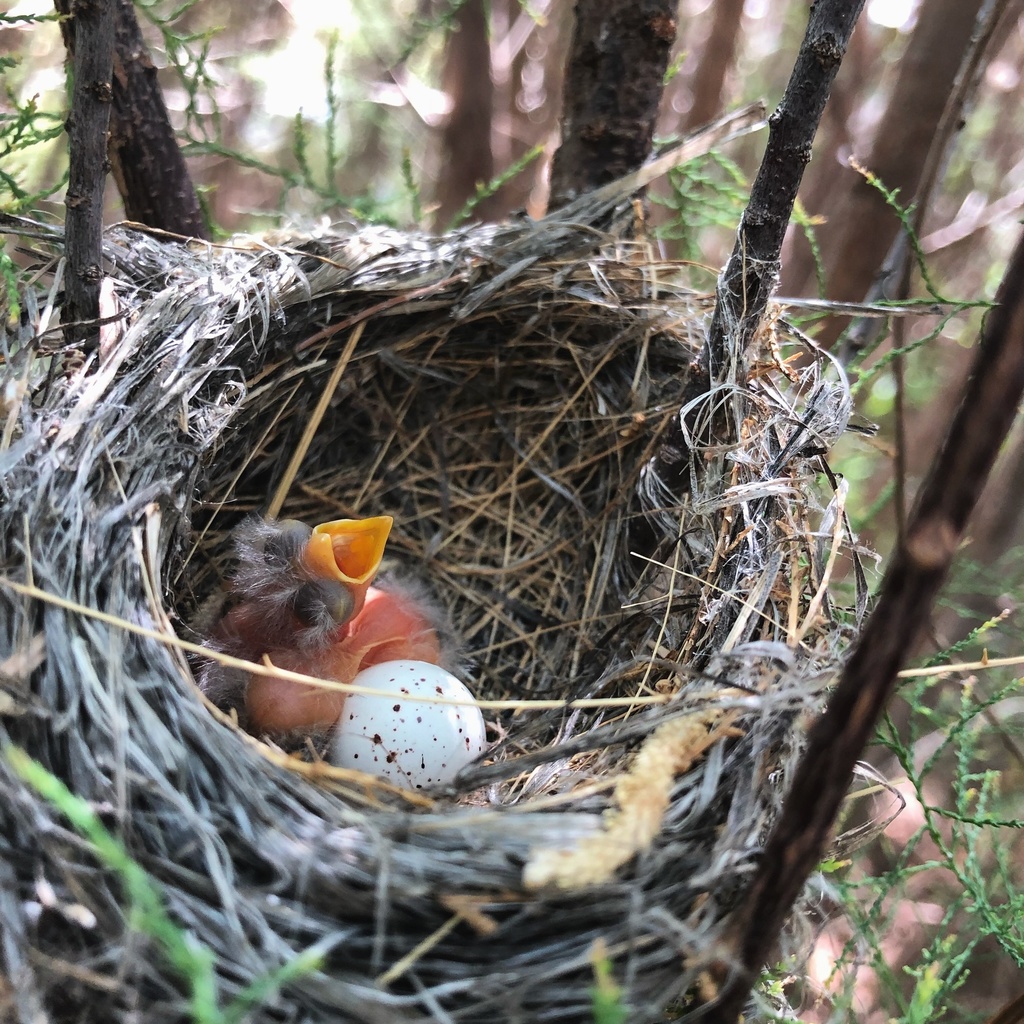
 Image unavailable