
Mammal · GBIF taxon 6165037
Black Sea Bottlenose Dolphin
Tursiops truncatus ponticusAlso known as Black Sea Dolphin, Pontic Bottlenose Dolphin
Black Sea bottlenose dolphins roam coastal and open waters in small, tightly knit pods, hunting cooperatively for schooling fish along continental shelves. Adapted to the lower salinity of their isolated basin, these clever marine mammals rely on sophisticated echolocation clicks and whistle calls to communicate across murky waters. Centuries of genetic isolation from Atlantic populations have shaped distinct skeletal features and specialized foraging behaviors.
MarineMammalSocial
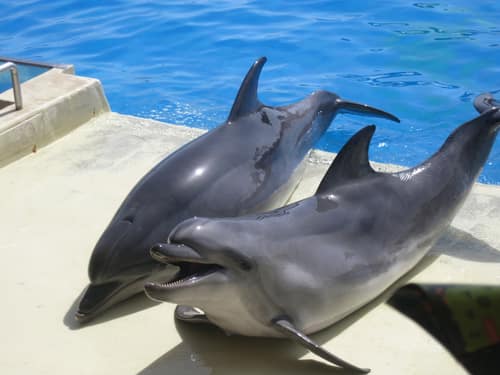
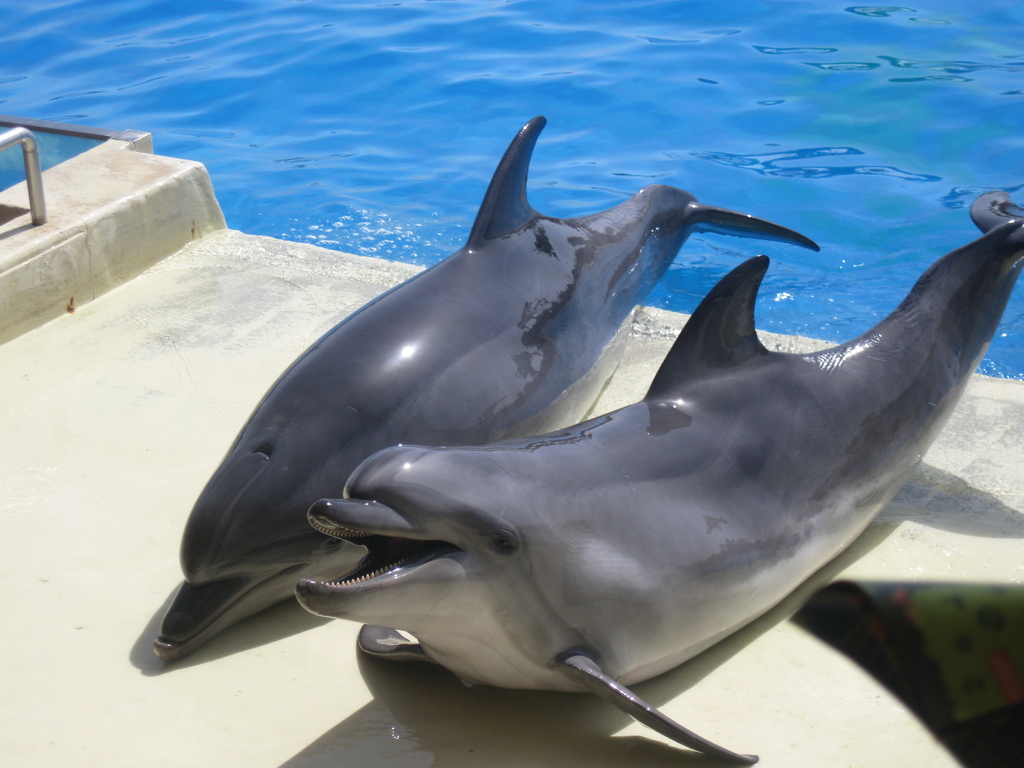
Licensed reference(c) Tassos Sakalis, some rights reserved (CC BY) · cc-by
—observations
—countries
—peak records
EndangeredConservation statusIUCN Red List categoriesLCNTVUENCREWEXEndangeredRed List categories, explained →
Diet & prey
- Anchovy
- Mullet
- Sprat
Predators
Not available
ThreatsAccidental entanglement in gillnets, prey depletion, marine pollution, habitat degradation
HabitatsCoastal waters, continental shelves, and open sea of the Black Sea
Life span30–50 years
Size / weightNot available
Classification
- FamilyDelphinidae
- SpeciesTursiops truncatus ponticus
Range data is not available yet.
Interaction riskHigh
- Low
- Moderate
- High
- Very high
- Why interaction risk is high
- Large wild animal capable of sudden movements; maintain a respectful distance at sea.
- Why it is dangerous
- Strong flukes and sharp teeth can cause blunt force trauma or puncture wounds if an animal is cornered or handled.
- How to recognize a risky encounter
- Identified by a robust grey body, a curved central dorsal fin, and a distinct short snout.
- What to do
- Keep a safe distance at sea and leave stranded animals to qualified marine rescue teams.
- What to notice
- Look for medium-sized grey cetaceans surfacing in small pods within Black Sea coastal waters.
- Support conservation
- Maintain at least 100 meters distance in watercraft and refrain from pursuing or feeding wild dolphins.
Responsible observation
- Responsible Viewing: Observe from shore or registered tour boats that maintain a steady course and respectful distance.
- Navigation: Never steer a vessel directly into a surfacing pod or cut across their path.
- Stranding Response: Contact local conservation authorities immediately if you spot a stranded or entangled individual.
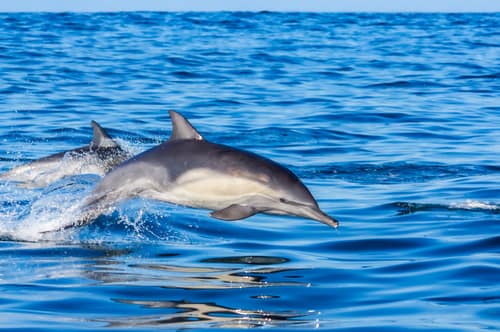
Co-occurring Cetacean (c) Jorge Herreros de Lartundo, some rights reserved (CC BY), uploaded by Jorge Herreros de Lartundo · cc-by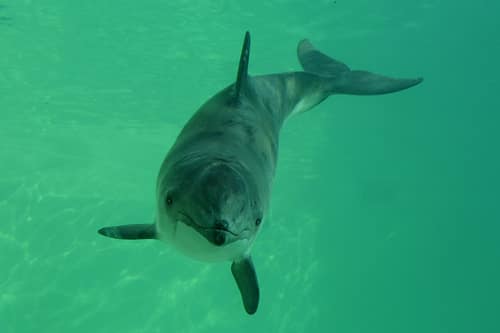
Co-occurring Cetacean Ecomare/Salko de Wolf / CC BY-SA 4.0 · cc-by-sa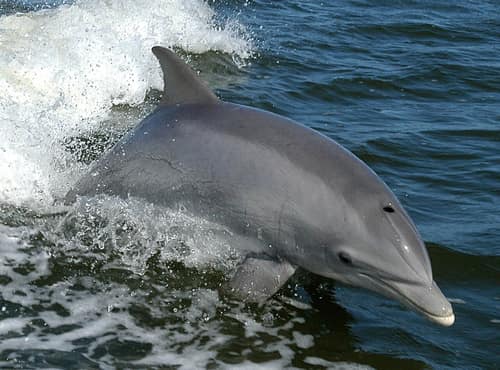
Parent Species NASA / Public domain · cc0
Help improve the field guideSomething wrong?
Checking your Fauna account…Report a name, category, or profile issue for review.