
Mammal
Mexican Bobcat
Lynx rufus escuinapaeAlso known as Mexican Lynx, Escuinapa Bobcat
Mexican bobcats are elusive, medium-sized predators distinguished by their striking spotted coats, short bobbed tails, and characteristic black ear tufts. They navigate the arid scrublands, pine-oak forests, and tropical dry forests of Mexico with remarkable stealth, hunting primarily at night. These solitary felines play a vital ecological role by regulating rodent and rabbit populations across their fragmented southern range.
NocturnalSolitaryCarnivore
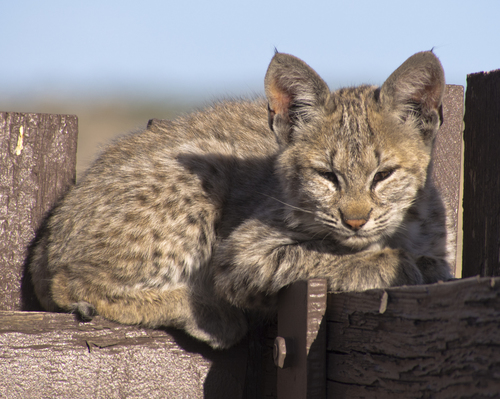
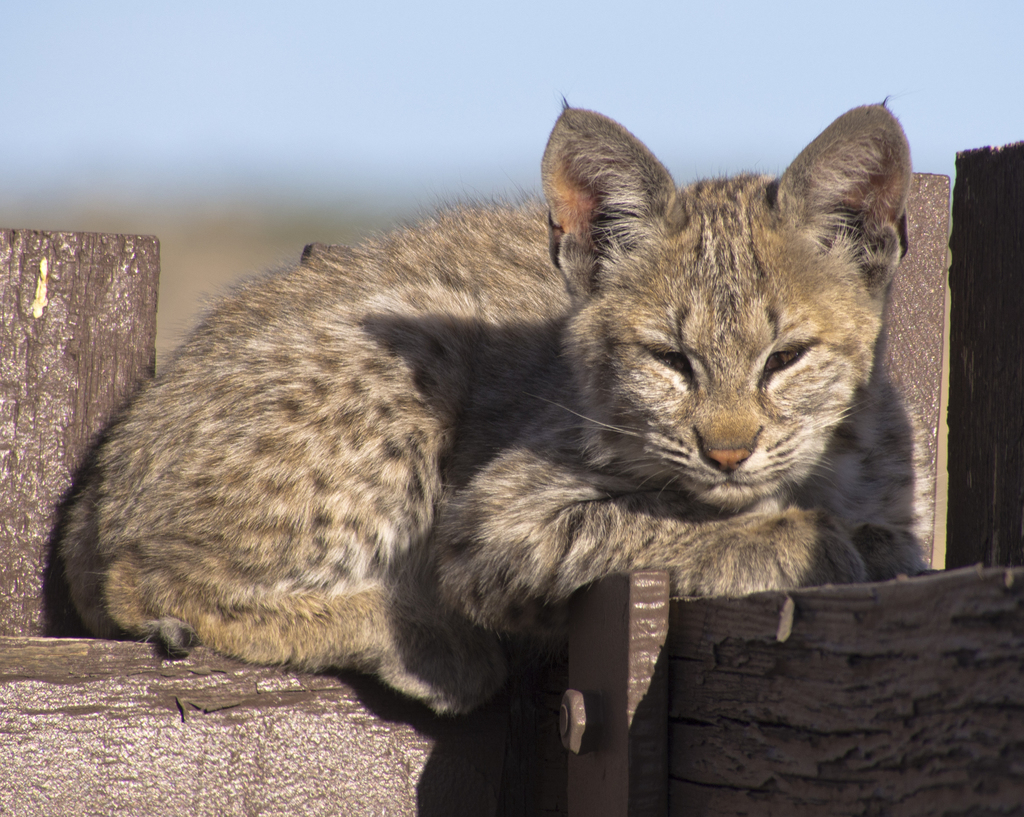
—observations
—countries
—peak records
Least ConcernConservation statusIUCN Red List categoriesLCNTVUENCREWEXLeast ConcernRed List categories, explained →
Diet & preyCottontail rabbits, Pocket gophers, Spiny lizards
Predators
- Cougars
- Coyotes
- Feral dogs
ThreatsHabitat fragmentation, illegal hunting, retaliatory killing, and vehicle collisions
HabitatsArid scrublands, pine-oak forests, tropical dry forests, and desert grasslands
Life span10 to 12 years in the wild, up to 15 years in captivity
Classification
- FamilyFelidae
- SpeciesLynx rufus escuinapae
Range data is not available yet.
Interaction riskLow
- Low
- Moderate
- High
- Very high
- Why interaction risk is low
- Capable of delivering a severe bite or scratch if cornered; observe from a safe distance.
- Why it is dangerous
- Equipped with sharp claws and powerful jaws, they will defend themselves aggressively if trapped or cornered.
- How to recognize a risky encounter
- Look for a spotted coat, tufted ears, and a short tail with a black tip on the upper side.
- What to do
- Give the animal a clear escape route and back away slowly without making sudden movements.
- What to notice
- Smaller and more intensely spotted than northern bobcats, adapted to warmer, drier climates.
- Support conservation
- Report sightings to local conservation groups and avoid disclosing specific den locations online.
Responsible observation
- Keep Distance: Never attempt to approach, corner, or feed a wild bobcat.
- Secure Pets: Keep domestic dogs on leashes to prevent territorial conflicts.
- Look for Tracks: Search for round, clawless paw prints in dusty washes or muddy trails.
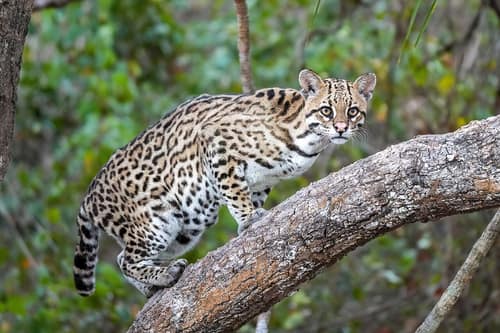
Competitor Giles Laurent / CC BY-SA 4.0 · cc-by-sa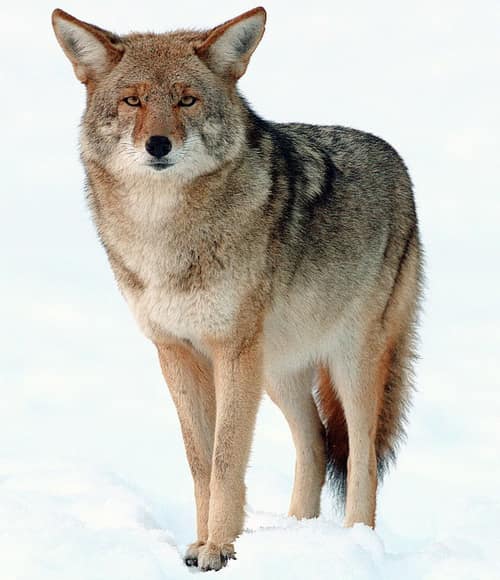
Competitor Yathin S Krishnappa / CC BY-SA 3.0 · cc-by-sa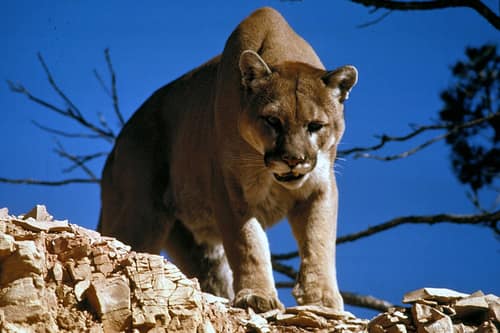
Predator National Park Service / Public domain · cc0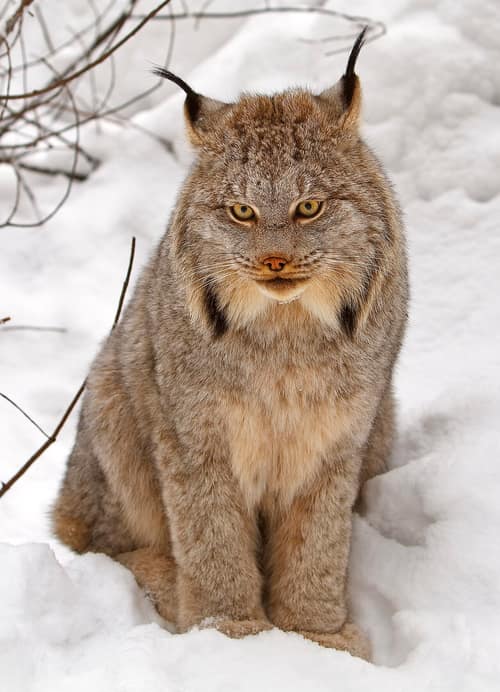
Close Relative Michael Zahra / CC BY-SA 3.0 · cc-by-sa
Help improve the field guideSomething wrong?
Checking your Fauna account…Report a name, category, or profile issue for review.