
Mammal
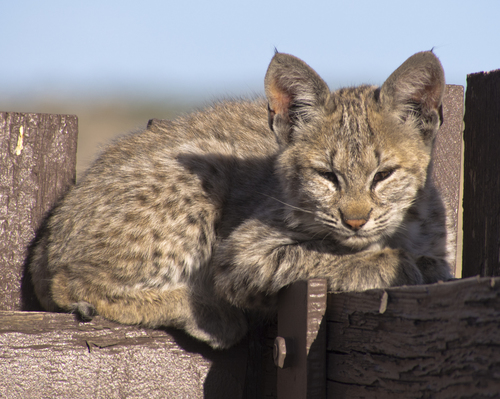
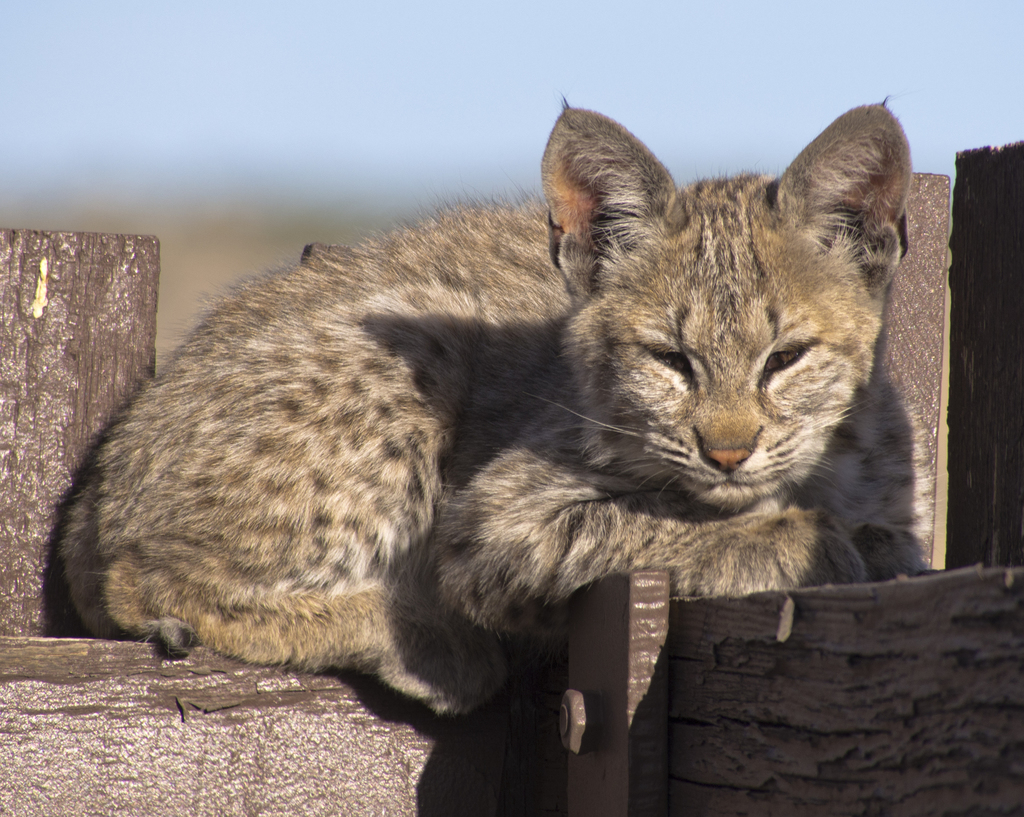
Desert Bobcat
Lynx rufus baileyiAlso known as Southwestern Bobcat, Desert Lynx, Bailey's Bobcat
Desert bobcats navigate the arid scrublands of the American Southwest with remarkable stealth, utilizing their pale, tawny coats to blend seamlessly into rocky canyons and desert washes. These solitary predators hunt primarily at dawn and dusk, relying on exceptional hearing and sight to stalk small mammals across vast home ranges. During the heat of the day, they seek shelter in rocky crevices, caves, or the shade of dense desert vegetation to conserve moisture.
CrepuscularSolitaryCamouflaged
—observations
—countries
—peak records
Least ConcernConservation statusIUCN Red List categoriesLCNTVUENCREWEXLeast ConcernRed List categories, explained →
Diet & preyDesert Cottontail, Black-tailed Jackrabbit, Kangaroo Rat
Predators
- Cougar
- Coyote
- Golden Eagle
ThreatsHabitat fragmentation, rodenticide poisoning, vehicle collisions, and trapping
HabitatsArid deserts, rocky canyons, scrublands, and pinon-juniper woodlands
Life span10 to 12 years in the wild
Classification
- FamilyFelidae
- SpeciesLynx rufus baileyi
Range data is not available yet.
Interaction riskLow
- Low
- Moderate
- High
- Very high
- Why interaction risk is low
- Capable of delivering a severe bite or scratch if cornered; observe from a safe distance.
- Why it is dangerous
- Equipped with sharp claws and powerful jaws, they can inflict severe lacerations and puncture wounds if they feel threatened.
- How to recognize a risky encounter
- Look for a medium-sized cat with tufted ears, a short bobbed tail, and a pale, spotted tawny coat.
- What to do
- Never corner or attempt to feed a bobcat; back away slowly while making yourself look large and making loud noises.
Responsible observation
- Keep Distance: Never approach a bobcat, especially if it appears cornered or is with kittens.
- Secure Attractants: Keep pet food indoors and secure garbage cans to avoid attracting them to residential yards.
- Leash Pets: Keep small dogs and cats indoors or on a short leash when walking in desert edge habitats.
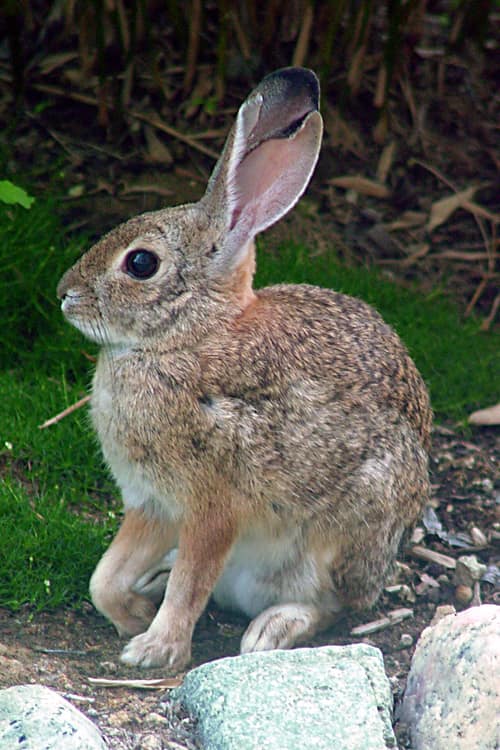
Primary Prey Holly Cheng / CC BY-SA 3.0 · cc-by-sa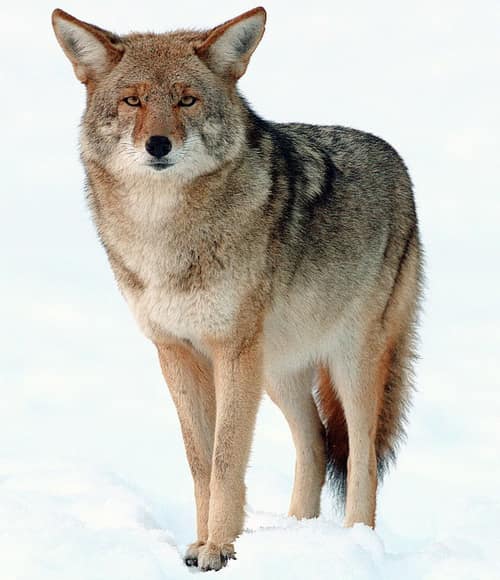
Competitor Yathin S Krishnappa / CC BY-SA 3.0 · cc-by-sa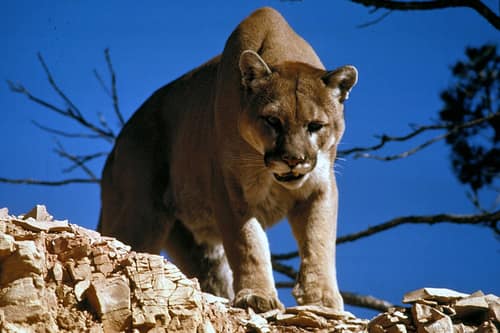
Apex Predator National Park Service / Public domain · cc0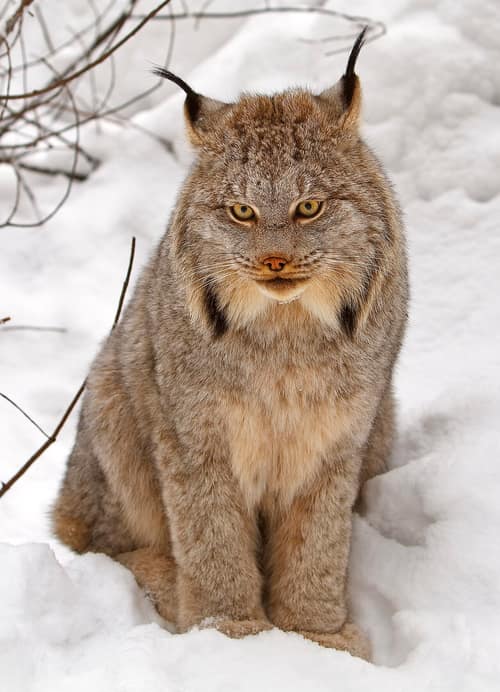
Close Relative Michael Zahra / CC BY-SA 3.0 · cc-by-sa
Help improve the field guideSomething wrong?
Checking your Fauna account…Report a name, category, or profile issue for review.