
Mammal · GBIF taxon 6164519
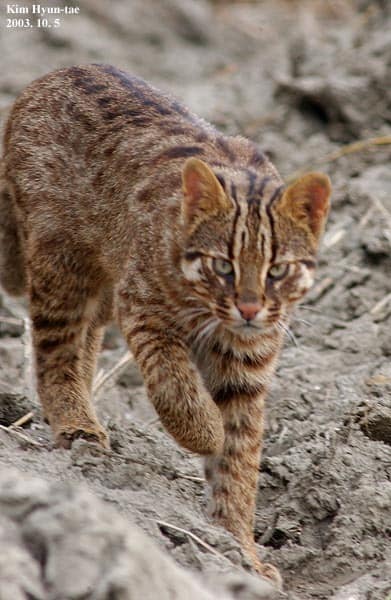
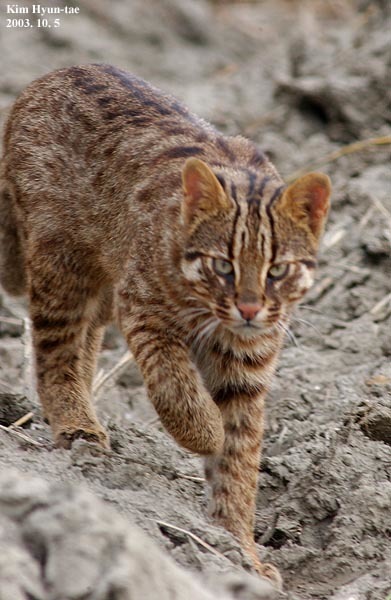
Amur Leopard Cat
Prionailurus bengalensis euptilurusAlso known as Far Eastern Cat, Amur Cat, Manchurian Leopard Cat, Siberian Leopard Cat
Amur leopard cats thrive in the cold temperate forests and river valleys of Northeast Asia, growing thick, pale winter coats to blend into snow-covered landscapes. Highly solitary and active during twilight hours, they stalk small mammals, birds, and fish along rocky streams and woodland margins. Sows give birth to litters of two to four kittens in secluded dens hidden inside hollow trees, rock crevices, or abandoned burrows.
SolitaryNocturnalCarnivore
—observations
—countries
—peak records
Least ConcernConservation statusIUCN Red List categoriesLCNTVUENCREWEXLeast ConcernRed List categories, explained →
Diet & prey
- Field Voles
- Asian Wood Mice
- Manchurian Hares
Predators
- Amur Tiger
- Amur Leopard
- Eurasian Lynx
ThreatsHabitat fragmentation, winter mortality in deep snow, poaching for fur, vehicle collisions
HabitatsTemperate mixed forests, river valleys, thickets, rocky slopes
Life span10–15 years in the wild
Size / weightNot available
Classification
- FamilyFelidae
- SpeciesPrionailurus bengalensis euptilurus
Range data is not available yet.
Interaction riskLow
- Low
- Moderate
- High
- Very high
- Why interaction risk is low
- Wild cats will scratch or bite if cornered; keep a safe distance and never approach.
- Why it is dangerous
- Possesses sharp claws and canine teeth capable of inflicting deep scratches and bites if cornered.
- How to recognize a risky encounter
- Look for a house-cat-sized feline with dark body spots, distinct facial stripes, and a bushy tail.
- What to do
- Maintain a respectful distance and ensure the animal always has an open escape route.
Responsible observation
- Optimal Timing: Scan riverbanks and forest margins during dawn and dusk when activity peaks.
- Distance Observation: Use binoculars or a long lens to observe without disrupting hunting behavior.
- Tracks and Signs: Look for small, rounded, four-toed prints without claw marks in mud or snow.
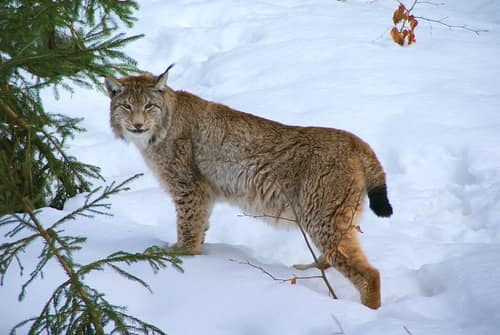
Competitor Aconcagua (talk) / CC BY-SA 3.0 · cc-by-sa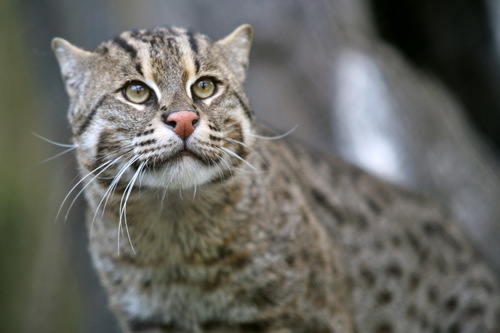
Close Relative (c) Cliff, some rights reserved (CC BY) · cc-by Image unavailable
Close Relative
Help improve the field guideSomething wrong?
Checking your Fauna account…Report a name, category, or profile issue for review.