
Mammal · GBIF taxon 6164386
Cozumel Island Coati
Nasua narica nelsoniAlso known as Cozumel Coati, Dwarf Coati
Cozumel Island coatis lead active diurnal lives, roaming tropical island forests in vocal, female-led bands while adult males remain solitary. Their elongated, flexible snouts root through leaf litter for insects and fallen fruit, while strong claws facilitate effortless tree climbing. Centuries of island isolation have made them distinctly smaller than their mainland relatives, perfectly adapted to the finite resources of Cozumel.
MammalIsland EndemicDiurnal
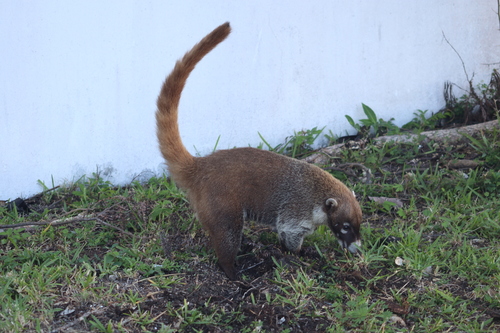
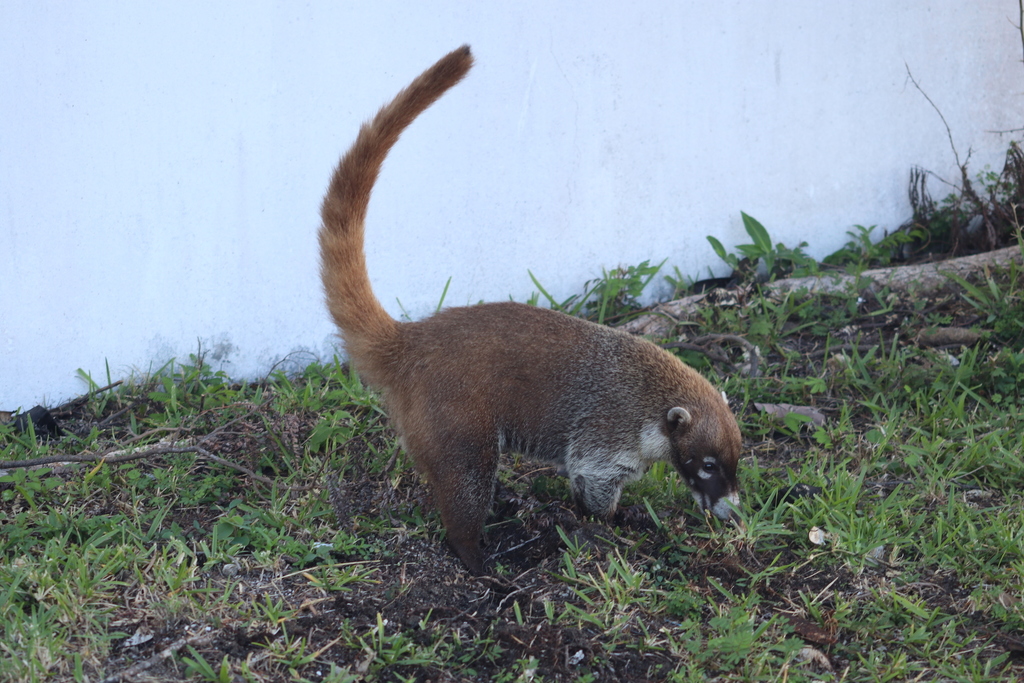
Licensed reference(c) Juan Cruzado Cortés, some rights reserved (CC BY-SA) · cc-by-sa
—observations
—countries
—peak records
EndangeredConservation statusIUCN Red List categoriesLCNTVUENCREWEXEndangeredRed List categories, explained →
Diet & prey
- Insects
- Lizards
- Fallen fruit
Predators
- Boa constrictor
- Feral dogs
- Raptors
ThreatsHabitat loss, introduced feral predators, extreme hurricanes
HabitatsTropical rainforest, coastal scrub, mangrove forests
Life span7–12 years in the wild
Size / weightNot available
Classification
- FamilyProcyonidae
- SpeciesNasua narica nelsoni
Range data is not available yet.
Interaction riskLow
- Low
- Moderate
- High
- Very high
- Why interaction risk is low
- Wild coatis can bite or scratch if cornered or hand-fed; observe quietly from a safe distance.
- Why it is dangerous
- Equipped with powerful claws and sharp canine teeth for digging, coatis can inflict deep scratches or bites if cornered or restrained.
- How to recognize a risky encounter
- Recognized by its long snout, flexible nose, dark mask, and noticeably smaller size than mainland coatis.
- What to do
- Never reach toward or attempt to touch a wild coati; step back slowly if one approaches looking for food.
- What to notice
- Look for a small brownish procyonid with a faintly ringed erect tail foraging in island woodlands.
- Support conservation
- Stay strictly on marked trails, dispose of food waste in secured bins, and keep domestic pets leashed.
Responsible observation
- Keep Distance: Maintain a respectful distance and avoid cornering coatis while they forage on the forest floor.
- Do Not Feed: Refrain from offering food to prevent habituation and dangerous begging behaviors.
- Watch the Canopy: Scan lower tree branches and ground foliage where social bands gather during the day.
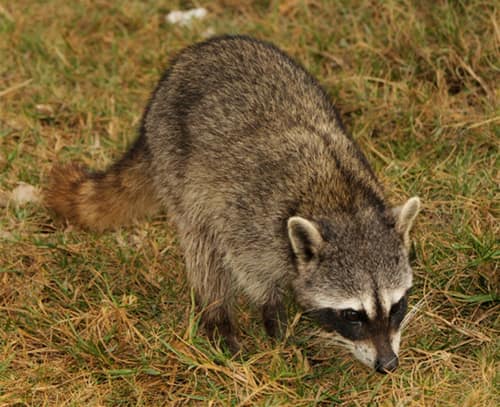
Co-occurring Endemic Camazine / CC BY-SA 3.0 · cc-by-sa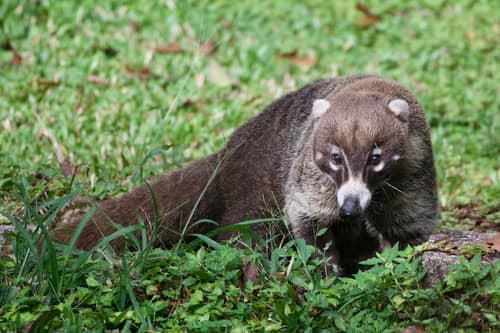
Close Relative no rights reserved, uploaded by Dario Taraborelli · cc0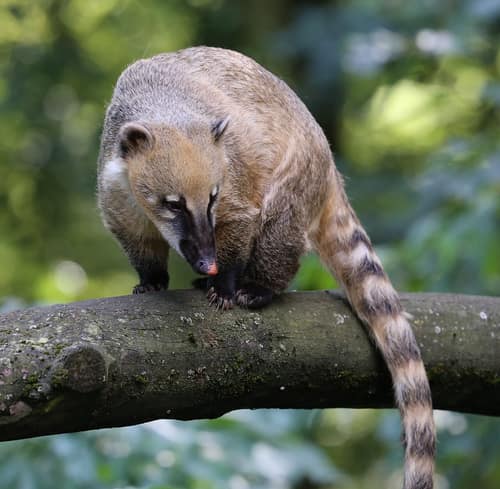
Close Relative Rufus46 / CC BY-SA 3.0 · cc-by-sa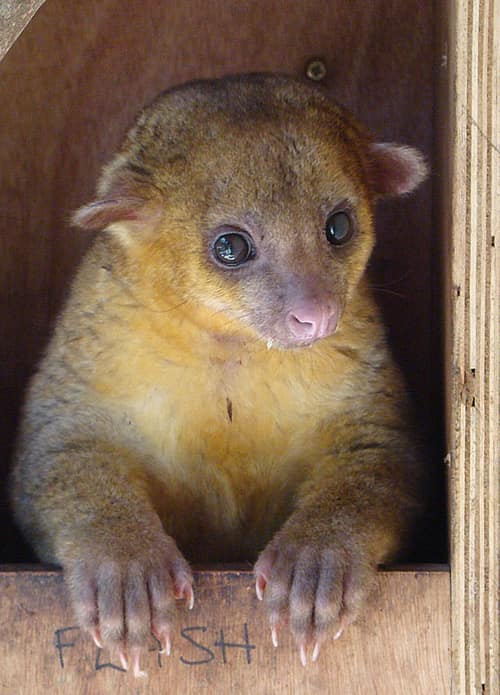
Family Member Dick Culbert from Gibsons, B.C., Canada / CC BY 2.0 · cc-by
Help improve the field guideSomething wrong?
Checking your Fauna account…Report a name, category, or profile issue for review.