
Mammal
Arabian Red Fox
Vulpes vulpes arabicaAlso known as Arabian Fox, Desert Red Fox
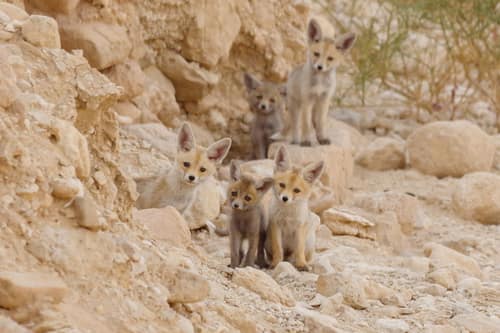
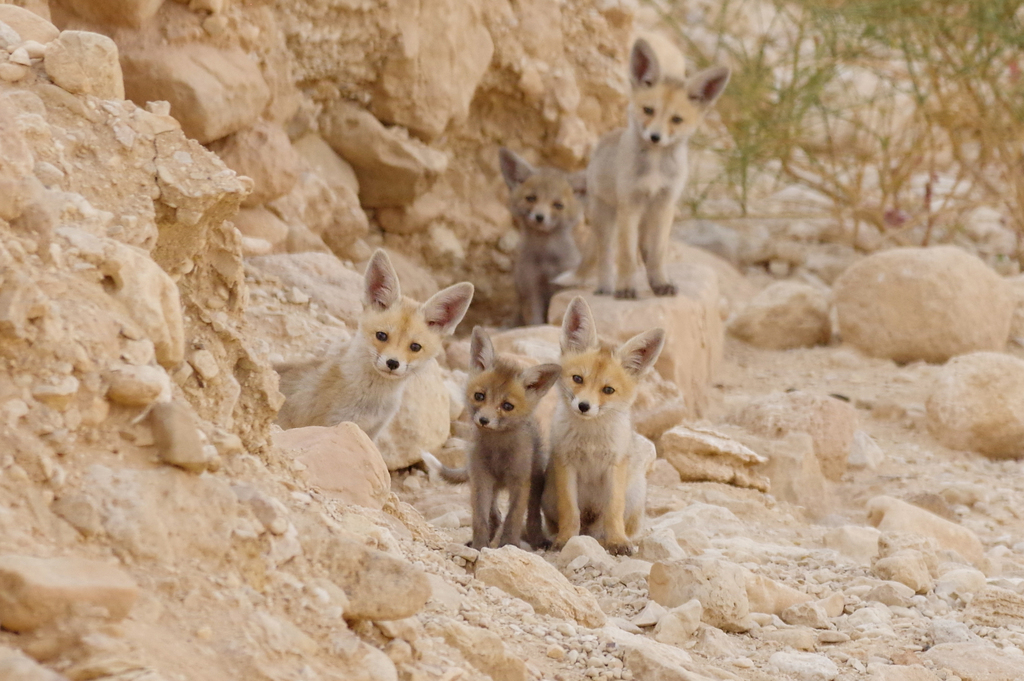
Arabian red foxes are lean, long-legged desert specialists equipped with oversized ears that radiate body heat and pinpoint subterranean movement. Highly adaptable and predominantly nocturnal, they spend hot days resting in subterranean burrows or rock crevices before emerging at dusk to forage. Their diet ranges from small desert rodents and reptiles to fallen dates and human refuse, making them resilient survivors across arid environments.
NocturnalDesert SpecialistCanine
—observations
—countries
—peak records
Least ConcernConservation statusIUCN Red List categoriesLCNTVUENCREWEXLeast ConcernRed List categories, explained →
Diet & preyGerbils, Lizards, Locusts
Predators
- Golden Eagle
- Caracal
- Feral Dog
ThreatsVehicle strikes, habitat fragmentation, persecution by farmers
HabitatsDeserts, gravel plains, wadis, coastal scrub, urban fringes
Life span3–8 years
Classification
- FamilyCanidae
- SpeciesVulpes vulpes arabica
Range data is not available yet.
Interaction riskModerate
- Low
- Moderate
- High
- Very high
- Why interaction risk is moderate
- Can carry rabies and bite if cornered; observe from a respectful distance.
- Why it is dangerous
- As wild canids, they carry pathogens like rabies and inflict deep puncture wounds if cornered or handled.
- How to recognize a risky encounter
- Recognized by large pointed ears, lean reddish-buff body, white tail tip, and black ear backs.
- What to do
- Maintain a distance of at least 15 meters; back away slowly if a fox approaches or appears bold.
Responsible observation
- Observe at dusk: Scan wadis and desert edges shortly after sunset using low light.
- Never offer food: Feeding encourages habituation and increases risk of vehicle strikes.
- Keep pets leashed: Protect wild foxes and domestic pets by preventing close encounters.
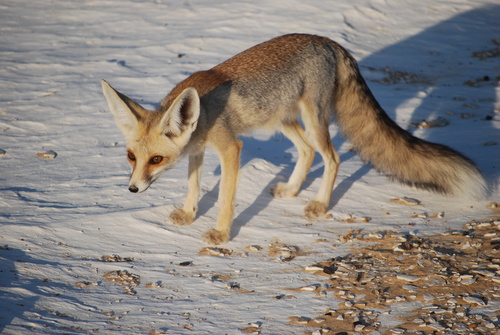
Competitor (c) HelmutBoehm, some rights reserved (CC BY-SA) · cc-by-sa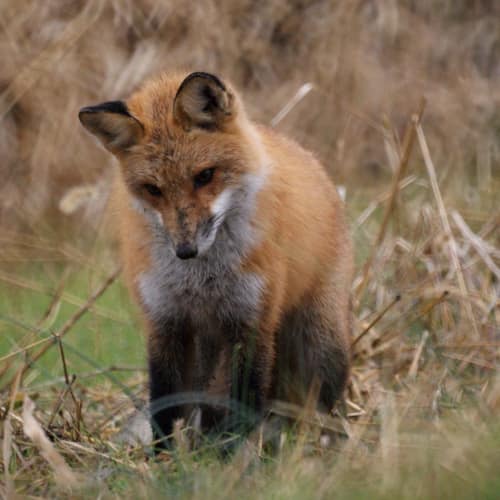
Parent Species "Red Fox" by Mike's Birds is licensed under CC BY-SA 2.0. To view a copy of this license, visit https://creativecommons.org/licenses/by-sa/2.0/. · cc-by-sa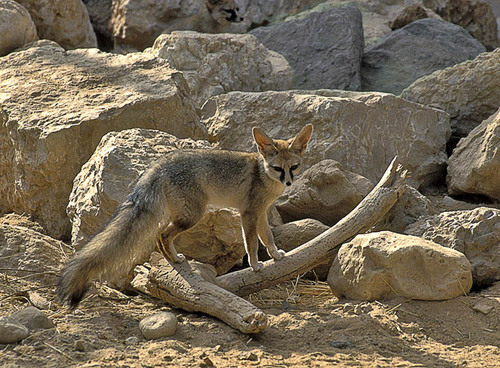
Close Relative (c) Eyal Bartov, some rights reserved (CC BY-SA) · cc-by-sa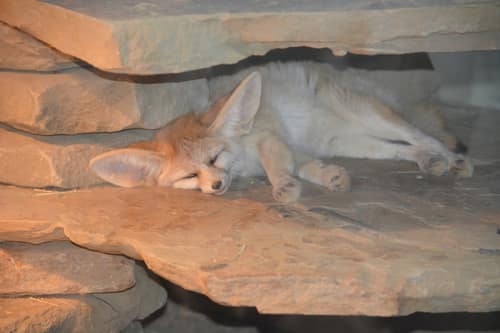
Desert Relative (c) Stacey Robert Greenstein, some rights reserved (CC BY-SA), uploaded by Stacey Robert Greenstein · cc-by-sa
Help improve the field guideSomething wrong?
Checking your Fauna account…Report a name, category, or profile issue for review.