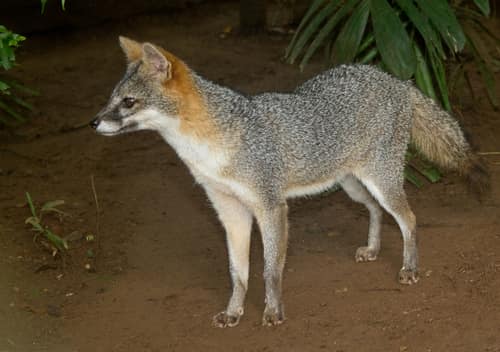
Also known as Valley Coyote, Ochraceous-footed Coyote, San Joaquin Valley Coyote
California valley coyotes are highly adaptable predators distinguished by their deeply ochre-tinted legs and ears, blending seamlessly into the golden grasslands of the San Joaquin Valley. They communicate through a complex repertoire of high-pitched yips, barks, and long-distance howls that coordinate pack movements and defend territory. These resilient canids play a vital ecological role by regulating rodent populations across agricultural fields, oak woodlands, and urban fringes.
HabitatsGrasslands, Oak Woodlands, Agricultural Fields, Scrublands
Life span6 to 8 years in the wild
Classification
FamilyCanidae
SpeciesCanis latrans ochropus
Range & activity
Range data is not available yet.
Safe observation
Interaction riskModerate
Low
Moderate
High
Very high
Why interaction risk is moderate
Can deliver a defensive bite and carry diseases like rabies; maintain a respectful distance and never offer food.
Why it is dangerous
Capable of delivering a painful defensive bite if cornered, habituated, or defending a den, and can transmit rabies or mange.
How to recognize a risky encounter
Look for a medium-sized canid with reddish-yellow legs, large pointed ears, and a bushy black-tipped tail held low while running.
What to do
Never feed coyotes, back away slowly if encountered, and use loud noises to scare them away if they approach.
Responsible observation
Hazing: If a coyote approaches too closely, make yourself look large, wave your arms, and shout loudly to reinforce their natural fear of humans.
Secure Attractants: Keep pet food indoors, secure trash cans, and harvest fallen fruit to prevent coyotes from becoming habituated to residential areas.
Leash Pets: Always keep small dogs on a short leash and keep cats indoors, especially during twilight hours when coyotes are most active.