
Mammal
Tundra Wolf
Canis lupus albusAlso known as Turukhan Wolf, Siberian Tundra Wolf
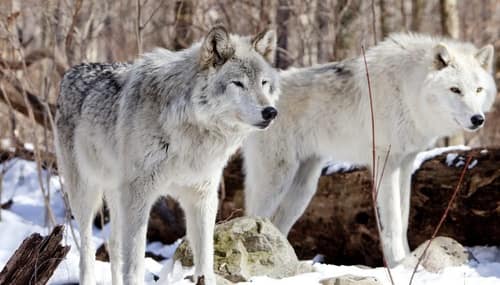
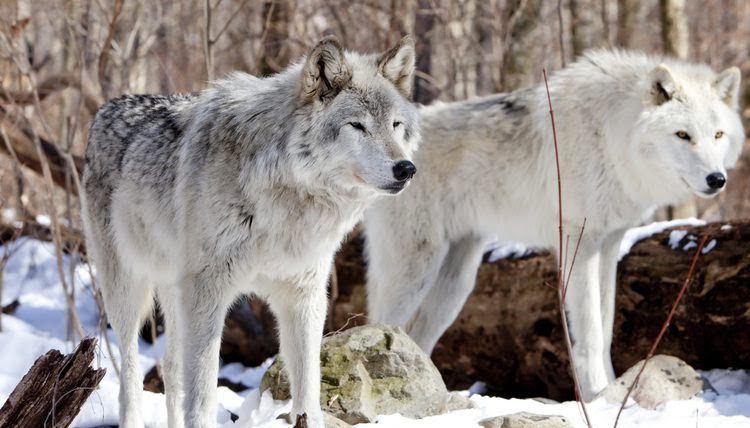
Tundra wolves are large, heavily furred predators that navigate the harsh Eurasian Arctic in highly organized family packs. Their thick, light-colored coats provide exceptional insulation against sub-zero temperatures and camouflage them against the snow as they track migrating herds. These social carnivores rely on complex vocalizations and scent marking to maintain territory boundaries across vast, open landscapes.
Apex PredatorPack HunterArctic
—observations
—countries
—peak records
Least ConcernConservation statusIUCN Red List categoriesLCNTVUENCREWEXLeast ConcernRed List categories, explained →
Diet & preyReindeer, Arctic Hares, Lemmings
Predators
- Humans
- Siberian Tigers
- Other Wolf Packs
ThreatsPoaching, habitat fragmentation, and prey depletion
HabitatsTundra, forest-tundra, and arctic plains
Life span8 to 16 years in the wild
Classification
- FamilyCanidae
- SpeciesCanis lupus albus
Range data is not available yet.
Interaction riskHigh
- Low
- Moderate
- High
- Very high
- Why interaction risk is high
- Capable of defending territory if approached; maintain a safe distance and never attempt to feed them.
- Why it is dangerous
- As large apex predators, they possess immense jaw strength and pack hunting instincts that make them dangerous if cornered.
- How to recognize a risky encounter
- Look for a very large canid with a thick, light grey or near-white coat, long legs, and a bushy tail.
- What to do
- If encountered, stand tall, make noise, and back away slowly without running.
Responsible observation
- Keep Distance: Never approach a wolf or attempt to draw its attention.
- Secure Food: Keep all food and waste in bear-proof containers to avoid habituating wolves.
- Travel in Groups: Hike with others in wolf territory to minimize the chance of a defensive encounter.
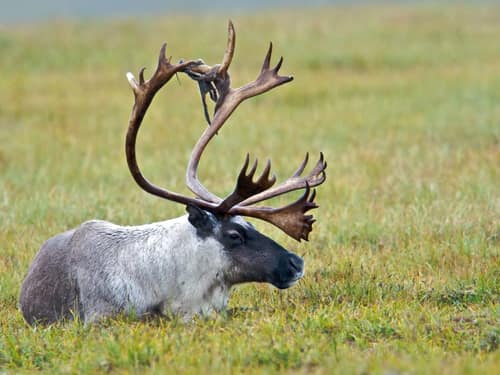
Prey (c) Bering Land Bridge National Preserve, some rights reserved (CC BY) · cc-by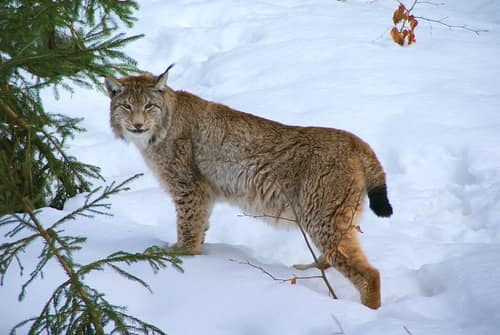
Competitor Aconcagua (talk) / CC BY-SA 3.0 · cc-by-sa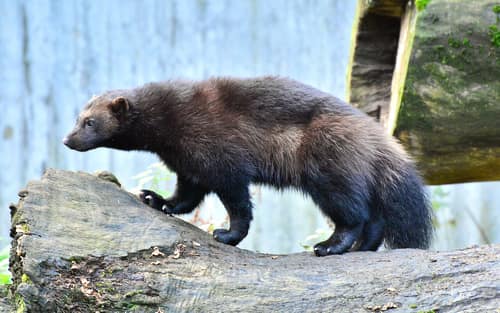
Competitor Esquilo / CC BY-SA 3.0 · cc-by-sa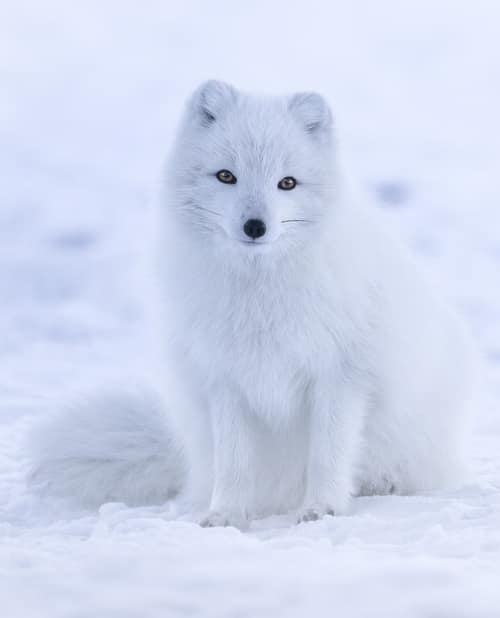
Symbiont Jonathen Pie https://unsplash.com/@r3dmax / CC0 · cc0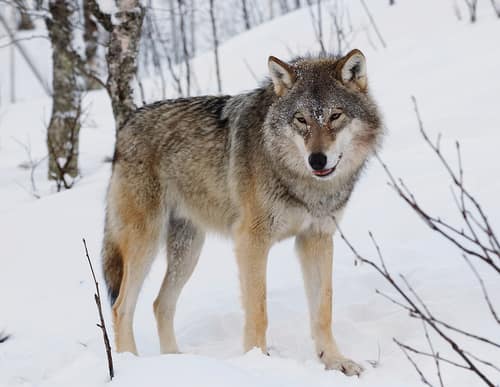
Parent Species User:Mas3cf / CC BY-SA 4.0 · cc-by-sa
Help improve the field guideSomething wrong?
Checking your Fauna account…Report a name, category, or profile issue for review.