
Mammal · GBIF taxon 6163862
Japanese Black Bear
Ursus thibetanus japonicusAlso known as Japanese Moon Bear, Moon Bear, Tsukino-waguma
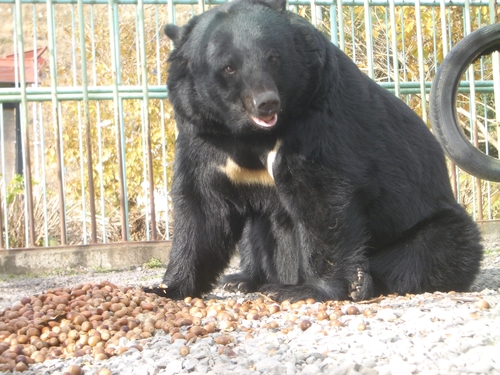
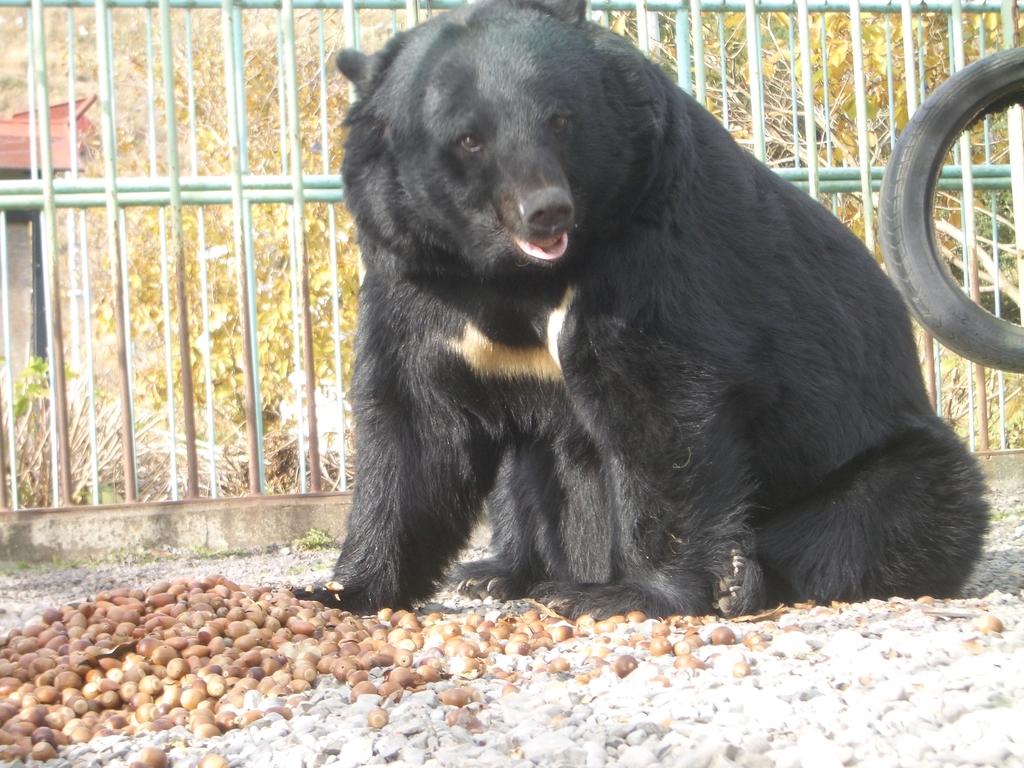
Japanese black bears spend much of their time in forest canopies, using strong claws to build platform nests in beech and oak trees where they feed on nuts. Recognizable by the bright white V-shaped patch across their chest, these agile climbers hibernate through severe winter months in hollow trees or rock crevices. As key seed dispersers, they play a vital ecological role in the temperate montane forests of Honshu and Shikoku.
Forest DwellerMammalOmnivore
—observations
—countries
—peak records
VulnerableConservation statusIUCN Red List categoriesLCNTVUENCREWEXVulnerableRed List categories, explained →
Diet & prey
- Beechnuts and acorns
- Berries and grubs
- Plant shoots
Predators
Not available
ThreatsHabitat fragmentation, human-wildlife conflict, poor mast crop years
HabitatsDeciduous and mixed montane forests
Life span15–25 years
Size / weightNot available
Classification
- FamilyUrsidae
- SpeciesUrsus thibetanus japonicus
Range data is not available yet.
Interaction riskHigh
- Low
- Moderate
- High
- Very high
- Why interaction risk is high
- Can charge defensively if startled; maintain a safe distance and make noise on forest trails.
- Why it is dangerous
- Powerful jaws and heavy claws can inflict severe traumatic injuries during defensive charges or mother-cub defense.
- How to recognize a risky encounter
- Medium-sized black bear with a conspicuous white V-shaped patch across the chest.
- What to do
- Never approach a bear or run; back away slowly while speaking in a low, calm voice.
- What to notice
- Recognized by a dark black coat, light chest patch, and preferred beech-oak forest habitat.
- Support conservation
- Stay on marked trails, pack out all food refuse, and report sightings to local rangers.
Responsible observation
- Make Noise: Carry a bear bell or talk loudly when hiking dense forest trails to avoid startling a bear.
- Keep Distance: Back away slowly without running if sighted, keeping your eyes on the animal.
- Secure Food: Store garbage and food scraps in bear-proof containers near campsites.
Help improve the field guideSomething wrong?
Checking your Fauna account…Report a name, category, or profile issue for review.