
Mammal · GBIF taxon 6163847
Himalayan Brown Bear
Ursus arctos isabellinusAlso known as Himalayan Red Bear, Isabelline Bear
Adorned with a thick coat ranging from reddish-brown to sandy yellow, these majestic high-altitude bears roam the alpine meadows and subalpine valleys of the western Himalayas. They spend the brief summer months fattening up on roots, bulbs, grasses, and marmots before entering deep winter hibernation in high mountain caves. Habitat fragmentation and conflict with local herders pose severe pressures on their sparse, remaining wild populations.
High-AltitudeSolitaryOmnivorous
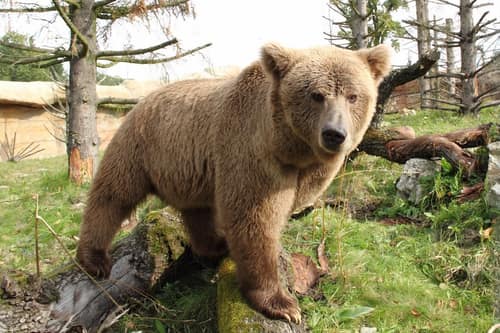
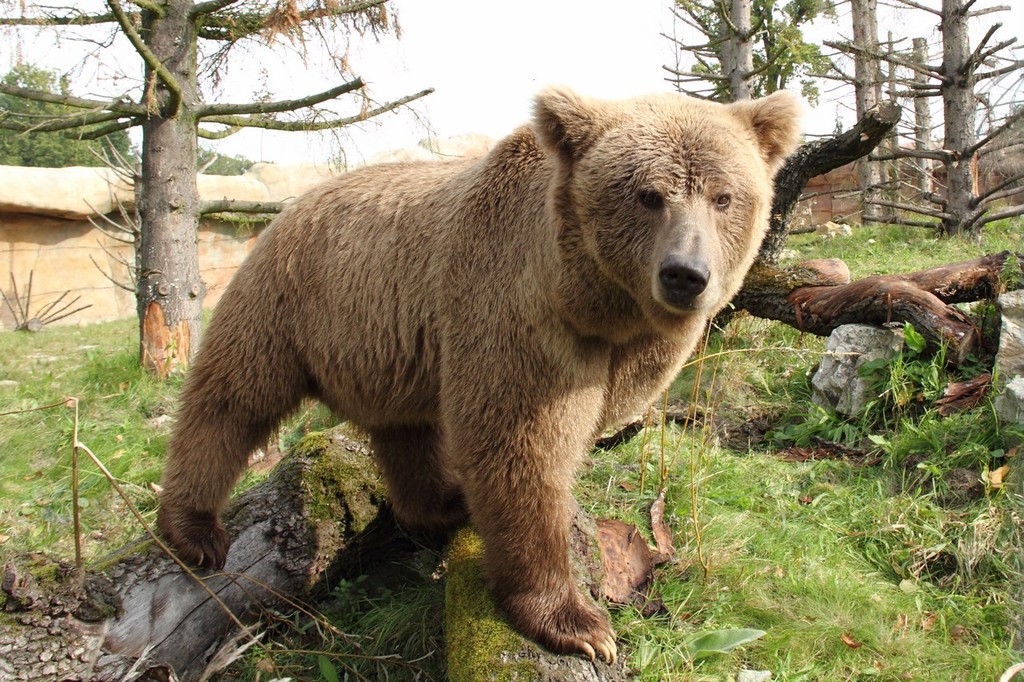
Licensed reference(c) Zoo Hluboka, some rights reserved (CC BY-SA) · cc-by-sa
—observations
—countries
—peak records
Critically EndangeredConservation statusIUCN Red List categoriesLCNTVUENCREWEXCritically EndangeredRed List categories, explained →
Diet & prey
- Himalayan Marmot
- Alpine Grasses
- Small Rodents
Predators
- Snow Leopard
- Tibetan Wolf
- Human
ThreatsPoaching, habitat fragmentation, human-wildlife conflict
HabitatsAlpine meadows, subalpine scrub, rocky mountain valleys
Life span20–30 years
Size / weightNot available
Classification
- FamilyUrsidae
- SpeciesUrsus arctos isabellinus
Range data is not available yet.
Interaction riskHigh
- Low
- Moderate
- High
- Very high
- Why interaction risk is high
- Powerful animal capable of charging if threatened or protecting cubs; maintain a wide distance in high alpine habitat.
- Why it is dangerous
- Possesses massive muscular power, sharp claws, and immense physical force that can inflict fatal injuries during surprise encounters.
- How to recognize a risky encounter
- Distinguished by a heavy body with a prominent shoulder hump and a thick, reddish to sandy coat above the tree line.
- What to do
- Back away slowly without running if spotted, keep bear deterrent ready, and give any bear with cubs an immense distance.
- What to notice
- Identified by its sandy-reddish coat, broad skull, and foraging activity in open high-altitude alpine pastures.
- Support conservation
- Observe quietly from extreme distances and never publish specific GPS coordinates of wild sightings.
Responsible observation
- Safe Distance: Maintain a gap of at least 300 meters and use binoculars or telephoto lenses for viewing.
- Noise Awareness: Make your presence known by talking loudly when hiking through thick high-altitude brush.
- Camp Safety: Secure all food and organic waste in bear-proof containers when trekking in bear country.
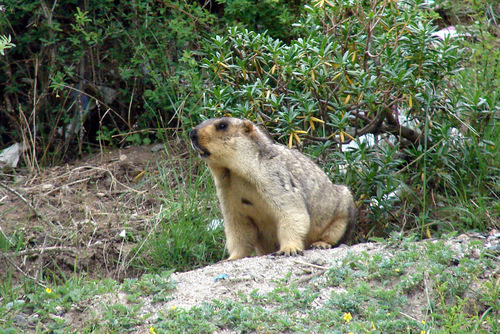
Prey (c) James Hardcastle, some rights reserved (CC BY), uploaded by James Hardcastle · cc-by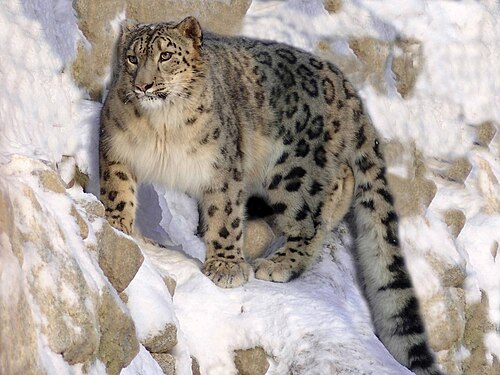
Competitor Irbis1983 / Public domain · cc0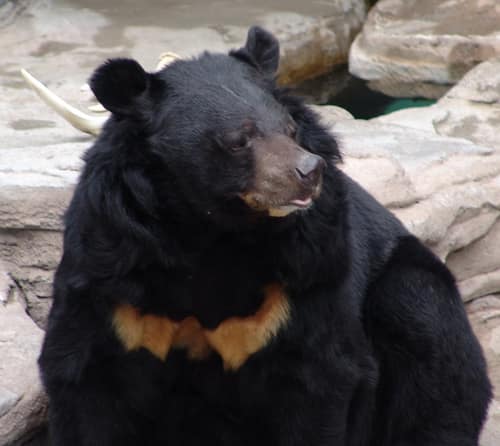
Close Relative "Asiatic Black Bear {Ursus thibetanus}" by Drew Avery is licensed under CC BY 2.0. To view a copy of this license, visit https://creativecommons.org/licenses/by/2.0/. · cc-by
Help improve the field guideSomething wrong?
Checking your Fauna account…Report a name, category, or profile issue for review.