
Mammal · GBIF taxon 6163833
Florida Black Bear
Ursus americanus floridanusAlso known as Florida Bear
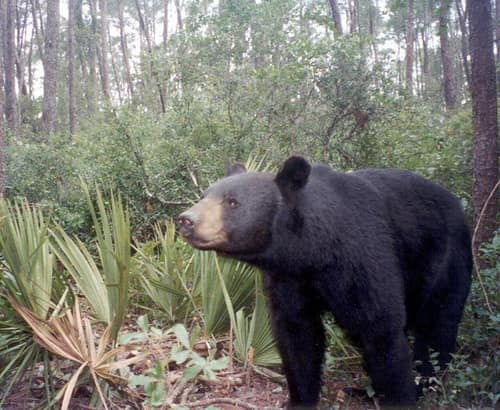
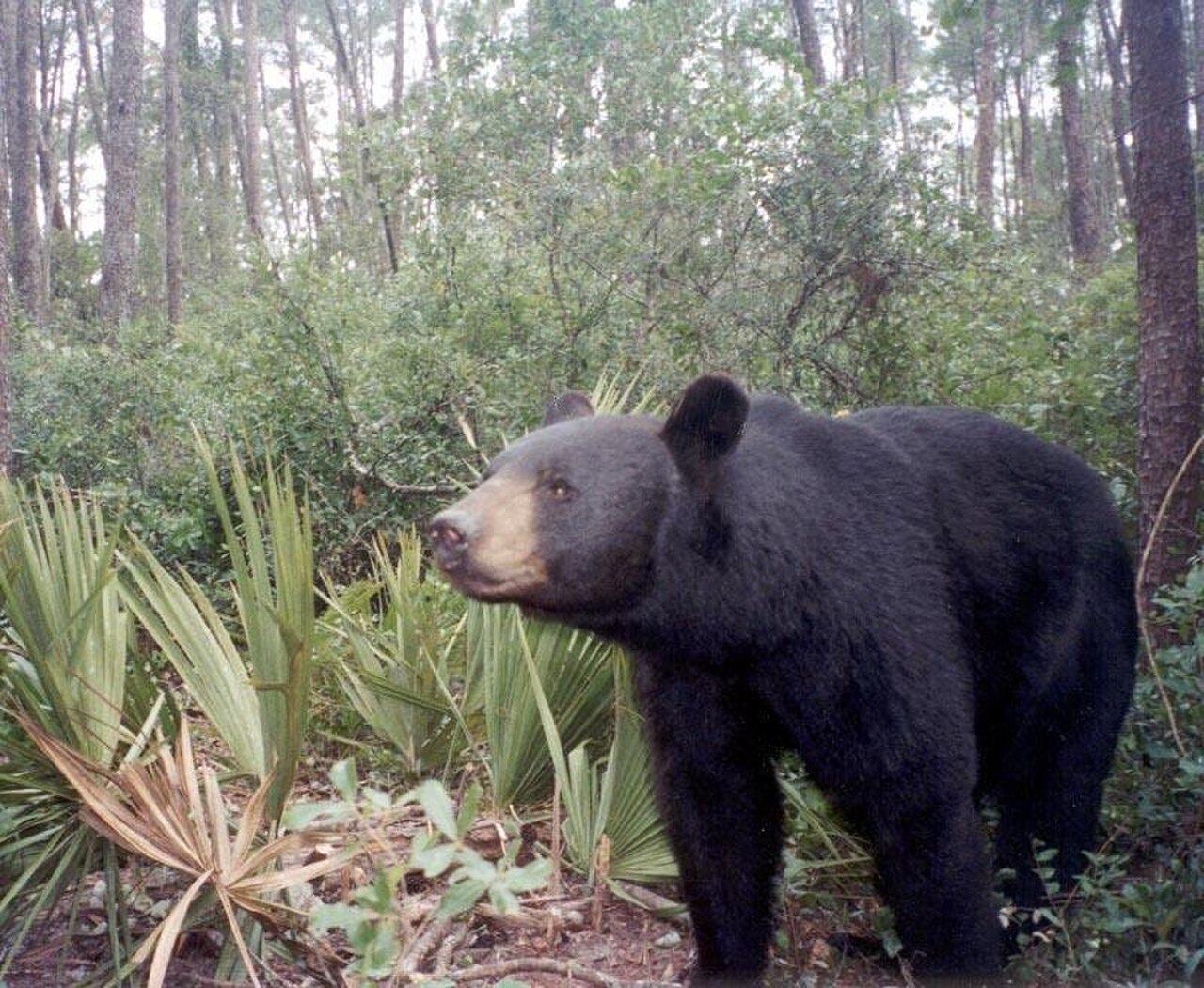
As the largest terrestrial mammal in Florida, these ursids feature a glossy black coat, a pale brown muzzle, and an occasional chest blaze. They navigate a mosaic of pine flatwoods, oak scrub, and cypress swamps, relying on seasonal mast crops like acorns and palmetto berries to build fat stores. Habitat corridors and conservation efforts remain vital for connecting fragmented populations across the region.
MammalOmnivoreForest Dweller
—observations
—countries
—peak records
Least ConcernConservation statusIUCN Red List categoriesLCNTVUENCREWEXLeast ConcernRed List categories, explained →
Diet & prey
- Saw Palmetto Berries
- Acorns
- Insects
Predators
- American Alligator
- Florida Panther
ThreatsHabitat fragmentation, vehicle collisions, human-wildlife conflict
HabitatsPine flatwoods, oak scrub, hardwood swamps, cypress domes
Life span15–25 years
Size / weightNot available
Classification
- FamilyUrsidae
- SpeciesUrsus americanus floridanus
Range data is not available yet.
Interaction riskHigh
- Low
- Moderate
- High
- Very high
- Why interaction risk is high
- Powerful wildlife capable of severe injury; maintain distance and keep food securely stored.
- Why it is dangerous
- Large body mass and strong claws allow them to inflict severe injury when surprised or defending cubs.
- How to recognize a risky encounter
- Look for a bulky, glossy black mammal with a light tan snout moving through forested habitat.
- What to do
- Never run; stand tall, speak in a calm firm voice, and back away slowly while maintaining eye contact.
- What to notice
- Recognizable as a large black mammal roaming forested tracts and wildlife corridors in Florida.
- Support conservation
- Give bears plenty of space, stay on designated trails, and drive carefully in bear hazard zones.
Responsible observation
- Keep Distance: Maintain at least 100 meters and never approach bears, especially mothers with cubs.
- Secure Attractants: Use bear-resistant containers for trash and food to prevent habituation.
- Make Noise: Speak loudly or clap when walking through thick vegetation to avoid startling a bear.
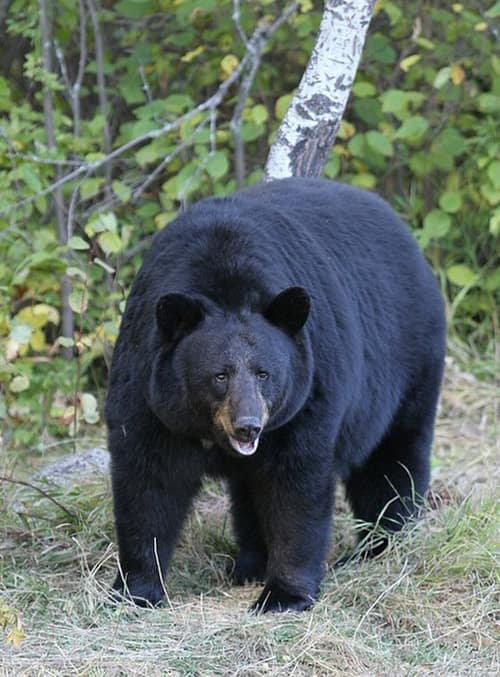
Nominate Species Diginatur / CC BY-SA 3.0 · cc-by-sa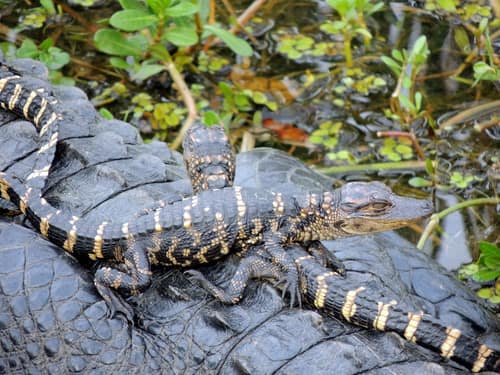
Co-Occurring Predator no rights reserved, uploaded by Vijay Barve · cc0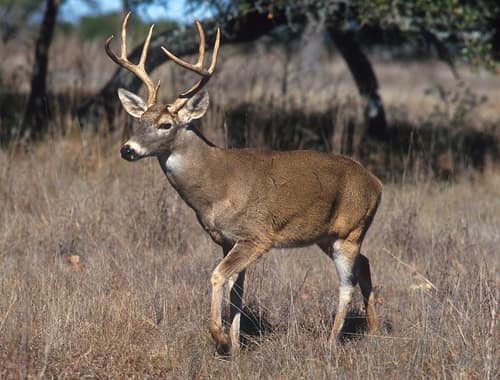
Sympatric Mammal USDA photo by Scott Bauer / Public domain · cc0
Help improve the field guideSomething wrong?
Checking your Fauna account…Report a name, category, or profile issue for review.