
Mammal · GBIF taxon 6163827
American Black Bear
Ursus americanus eremicusAlso known as Mexican Black Bear, Sierra Madre Black Bear
Mexican black bears navigate rugged desert mountain islands across northern Mexico and the southwestern United States. These adaptable omnivores rely on seasonal mast crops like oak acorns and prickly pear fruit to store vital fat reserves before winter torpor. Sows give birth to small cubs in sheltered rock crevices or hollow trees, raising them through their first two years.
MammalOmnivoreLarge Wildlife
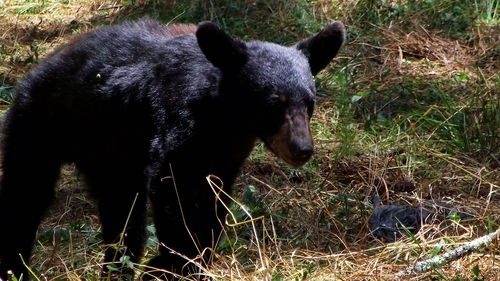
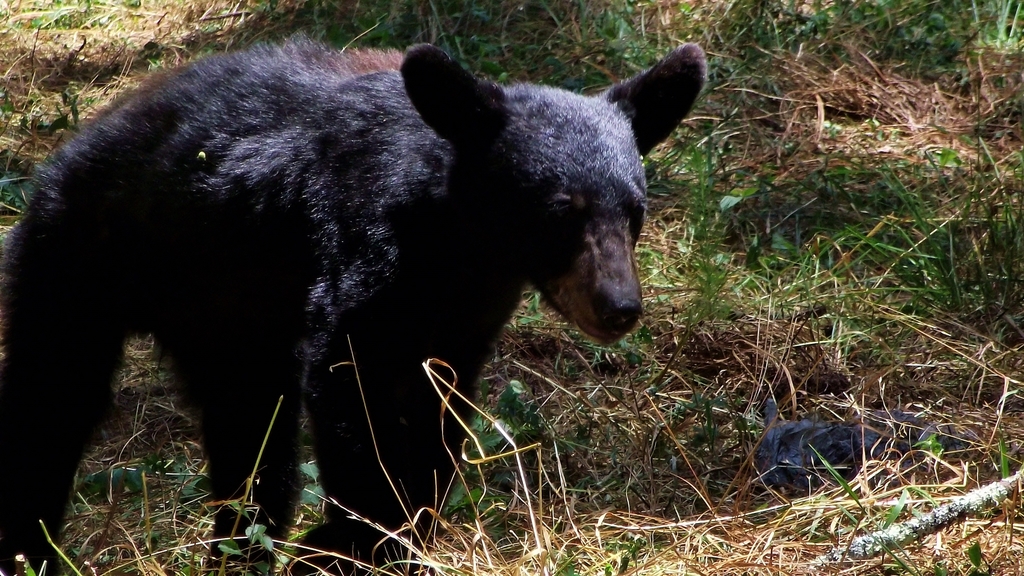
Licensed reference(c) Raúl Ernestoo, some rights reserved (CC BY-SA) · cc-by-sa
—observations
—countries
—peak records
Least ConcernConservation statusIUCN Red List categoriesLCNTVUENCREWEXLeast ConcernRed List categories, explained →
Diet & prey
- Acorns
- Prickly pear fruit
- Insects
Predators
- Cougars (for cubs)
- Jaguars
- Humans
ThreatsHabitat fragmentation, human conflict, illegal poaching, severe drought
HabitatsMontane oak-pine forests, desert canyons, chaparral
Life span15–25 years in the wild
Size / weightNot available
Classification
- FamilyUrsidae
- SpeciesUrsus americanus eremicus
Range data is not available yet.
Interaction riskHigh
- Low
- Moderate
- High
- Very high
- Why interaction risk is high
- Can cause serious injury when startled or defending cubs; stay alert and maintain a safe distance.
- Why it is dangerous
- Capable of inflicting fatal injuries through immense physical strength, sharp claws, and powerful jaws when threatened or habituated.
- How to recognize a risky encounter
- Recognized by a dark black coat, short curved claws, and a straight facial profile with a lighter brown muzzle.
- What to do
- Carry bear spray in bear country, make noise while walking, and back away slowly without running if encountered.
- What to notice
- Inhabits sky island mountain ranges of the Chihuahuan desert and Sierra Madre Occidental.
- Support conservation
- Observe strictly through long-range optics, keep all trash secured, and report sightings to wildlife biologists.
Responsible observation
- Food Storage: Use bear-resistant containers or hang scented items high off the ground when camping.
- Safe Distance: Maintain at least 100 meters distance and never position yourself between a mother and her cubs.
- Trail Etiquette: Make noise while hiking through dense mountain canyons to avoid startling a feeding bear.
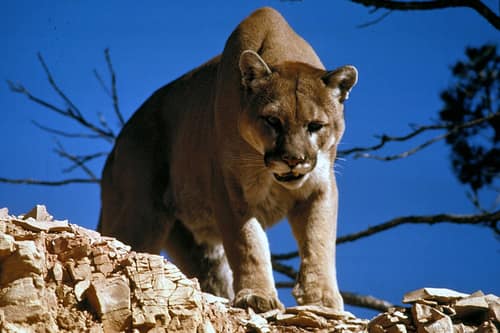
Competitor National Park Service / Public domain · cc0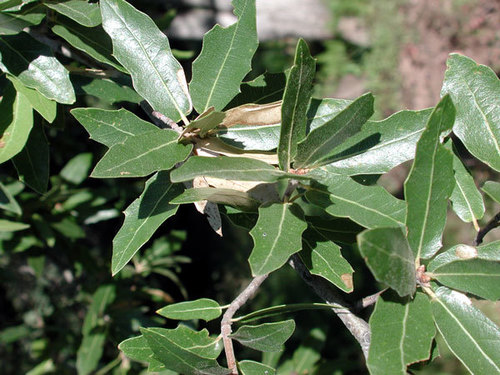
Food Source (c) User:pompilid, some rights reserved (CC BY-SA) · cc-by-sa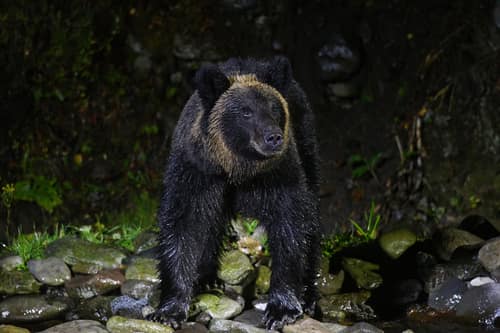
Close Relative (c) Nathan Ruser, some rights reserved (CC BY), uploaded by Nathan Ruser · cc-by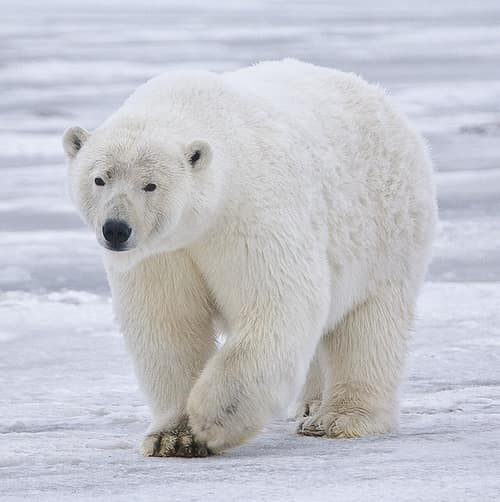
Close Relative Alan Wilson / CC BY-SA 3.0 · cc-by-sa
Help improve the field guideSomething wrong?
Checking your Fauna account…Report a name, category, or profile issue for review.