
Mammal
Glaucomys sabrinus fuscus
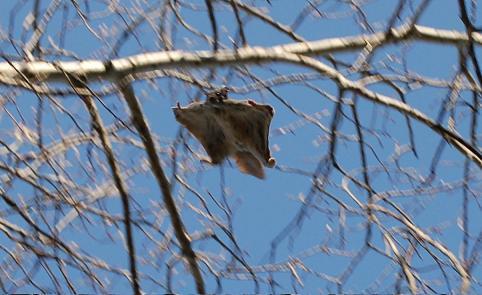
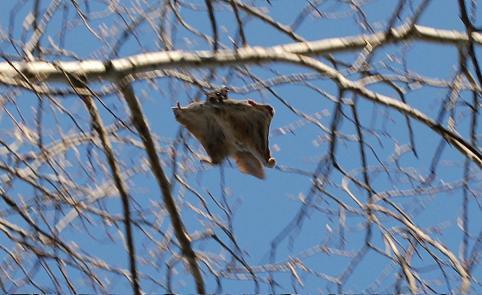
Glaucomys sabrinus fuscusNorthern flying squirrels are strictly nocturnal gliders that navigate dense conifer canopies using a furred patagium stretching from wrists to ankles. They rely heavily on hypogeous fungi, excavating subterranean truffles and dispersing mycorrhizal spores that keep boreal root networks healthy. Communal nesting is a key winter survival strategy, with up to a dozen individuals huddling inside a single tree cavity to conserve heat against subzero temperatures.
NocturnalArborealGliding
—observations
—countries
—peak records
Least ConcernConservation statusIUCN Red List categoriesLCNTVUENCREWEXLeast ConcernRed List categories, explained →
Diet & preyTruffles, Tree Lichens, Conifer Seeds
Predators
- Barred Owl
- American Marten
- Bobcat
ThreatsHabitat loss from logging, forest fragmentation, climate-driven changes in forest composition, and competition from southern flying squirrels
HabitatsDense coniferous and mixed boreal forests, montane spruce-fir woodlands, and temperate rainforests
Life span3–7 years in the wild; up to 13 years in captivity
Classification
- FamilySciuridae
- SpeciesGlaucomys sabrinus fuscus
Range data is not available yet.
Interaction riskLow
- Low
- Moderate
- High
- Very high
- Why interaction risk is low
- Safe to observe at a normal distance.
Responsible observation
- Night Spotting: Scan mature spruce and hemlock stands with a red-filtered headlamp after dusk to catch eyeshine without causing disturbance.
- Tree Cavity Etiquette: Avoid tapping or disturbing dead snag trees, which often house communal nests or vulnerable litters.
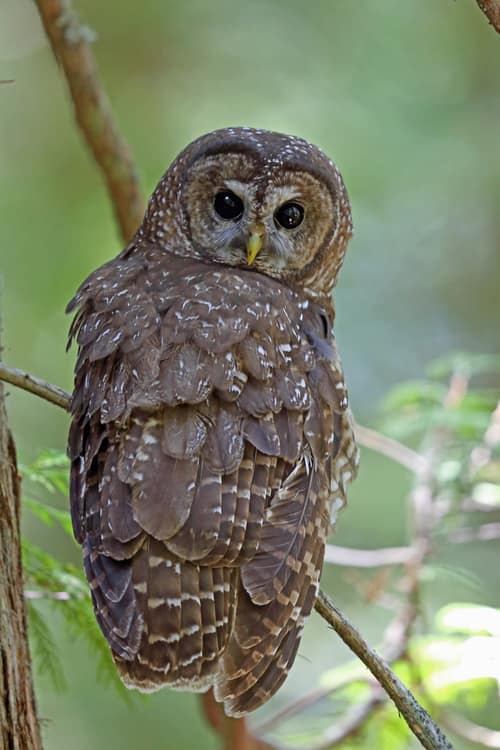
Predator (c) Nigel Voaden, some rights reserved (CC BY) · cc-by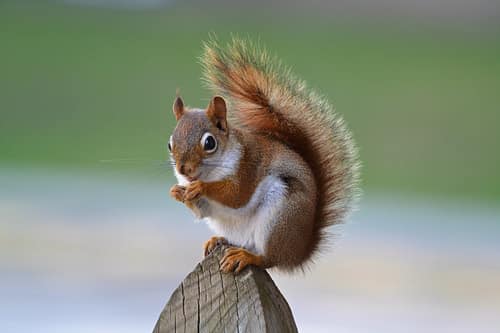
Competitor (c) DaPuglet, some rights reserved (CC BY-SA) · cc-by-sa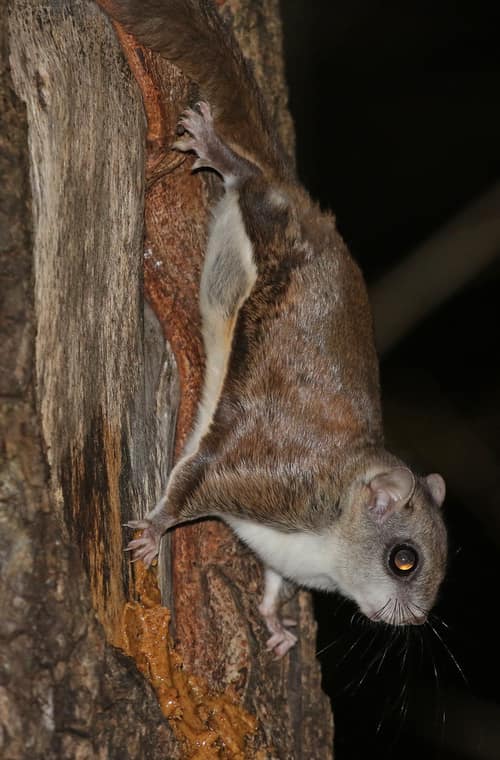
Close Relative "Southern Flying Squirrel - Glaucomys volans, Long Branch Nature Center, Arlington, Virginia, December 22, 2020" by Judy Gallagher is licensed under CC BY 2.0. To view a copy of this license, visit https://creativecommons.org/licenses/by/2.0/. · cc-by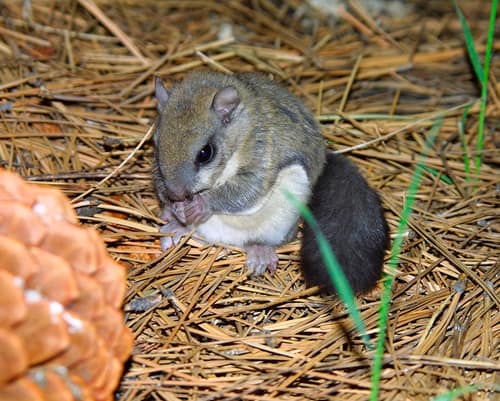
Close Relative (c) Chris Brown, some rights reserved (CC BY) · cc-by
Help improve the field guideSomething wrong?
Checking your Fauna account…Report a name, category, or profile issue for review.