
Bird · GBIF taxon 6101178
Eastern Whip-poor-will
Antrostomus vociferusAlso known as Whip-poor-will, Eastern Whippoorwill
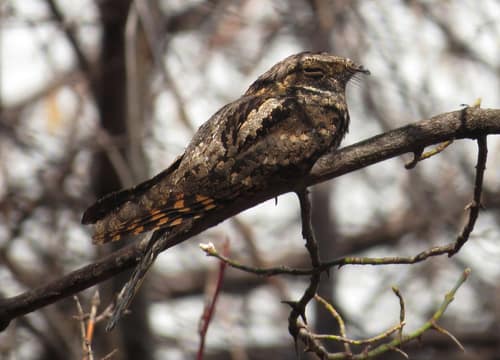
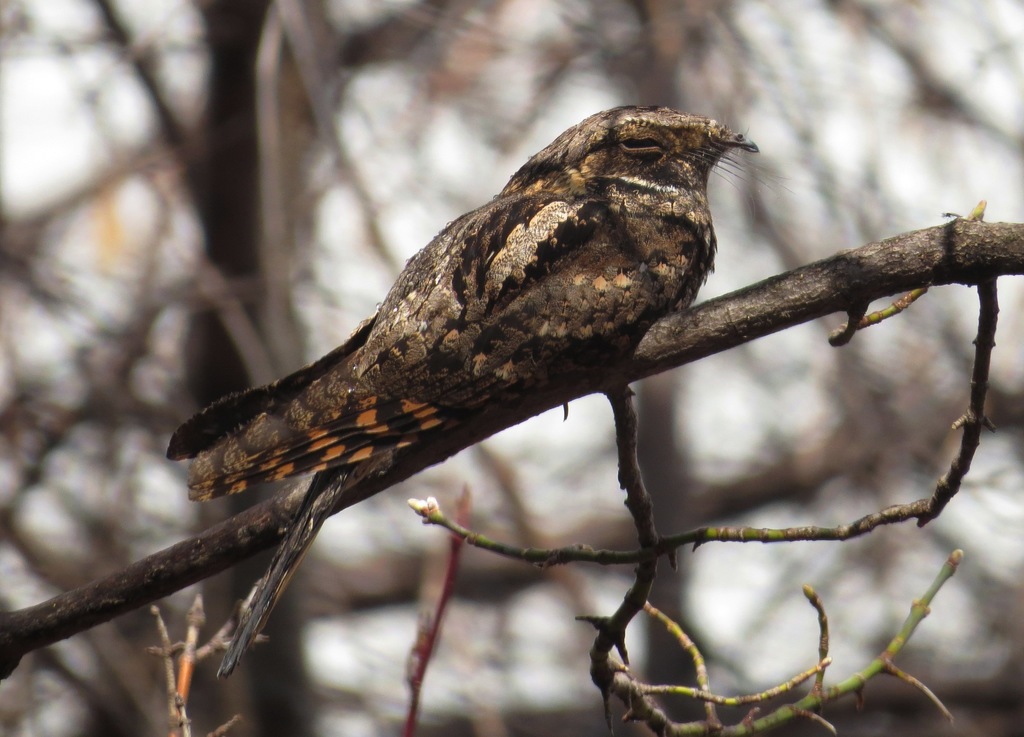
Eastern whip-poor-wills are secretive nocturnal nightjars renowned for their persistent, rhythmic three-note chant that echoes through open summer woodlands. By day, they roost motionlessly along horizontal branches or forest leaf litter, relying on intricate grey, brown, and black bark-like plumage for near-total concealment. At dusk, they take to the air to sally after flying insects, trapping prey using broad gapes lined with sensitive rictal bristles.
NocturnalInsectivoreCamouflaged
—observations
—countries
—peak records
Near ThreatenedConservation statusIUCN Red List categoriesLCNTVUENCREWEXNear ThreatenedRed List categories, explained →
Diet & prey
- Moths
- Beetles
- Mosquitoes
Predators
- Owls
- Raccoons
- Snakes
ThreatsHabitat loss, insect declines, and forest fire suppression
HabitatsDry deciduous forests, pine barrens, and mixed open woodlands
Life span4–9 years
Size / weightNot available
Classification
- FamilyCaprimulgidae
- SpeciesAntrostomus vociferus
Range data is not available yet.
Interaction riskLow
- Low
- Moderate
- High
- Very high
- Why interaction risk is low
- Safe to observe at a normal distance.
- What to notice
- Look for a mottled brown nightjar resting length-wise on low branches or listen for its resonant night call.
- Support conservation
- Keep distance on nesting grounds and minimize flashlight use to protect sensitive nocturnal eyes.
Responsible observation
- Listening at Dusk: Best detected by listening for their signature call in clearings on moonlit summer nights.
- Avoid Playbacks: Never use audio playback to lure birds, as it causes severe stress during breeding season.
- Watch the Roads: Drive carefully on rural dirt roads at night where birds often rest on gravel.
 Image unavailable
Close Relative Close Relative 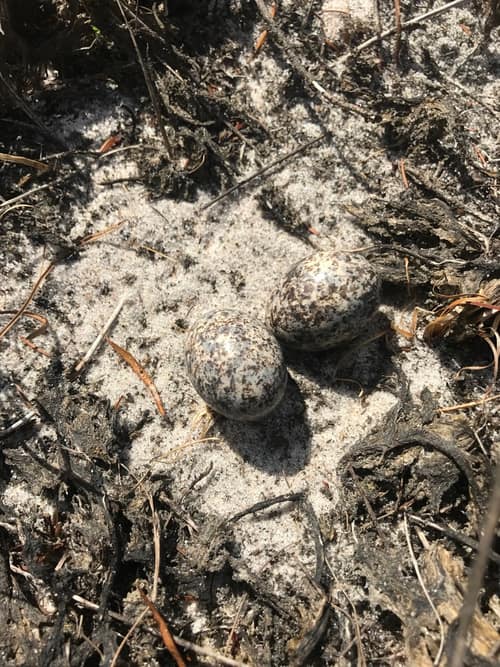
Family Relative (c) Pete Diamond, some rights reserved (CC BY), uploaded by Pete Diamond · cc-by
Help improve the field guideSomething wrong?
Checking your Fauna account…Report a name, category, or profile issue for review.