
Bird
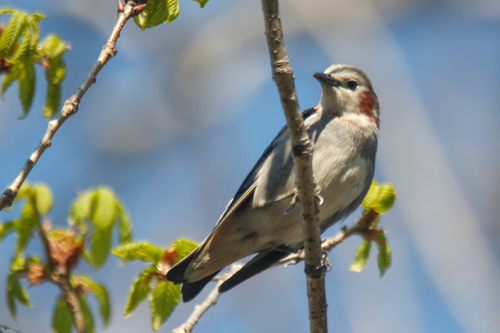
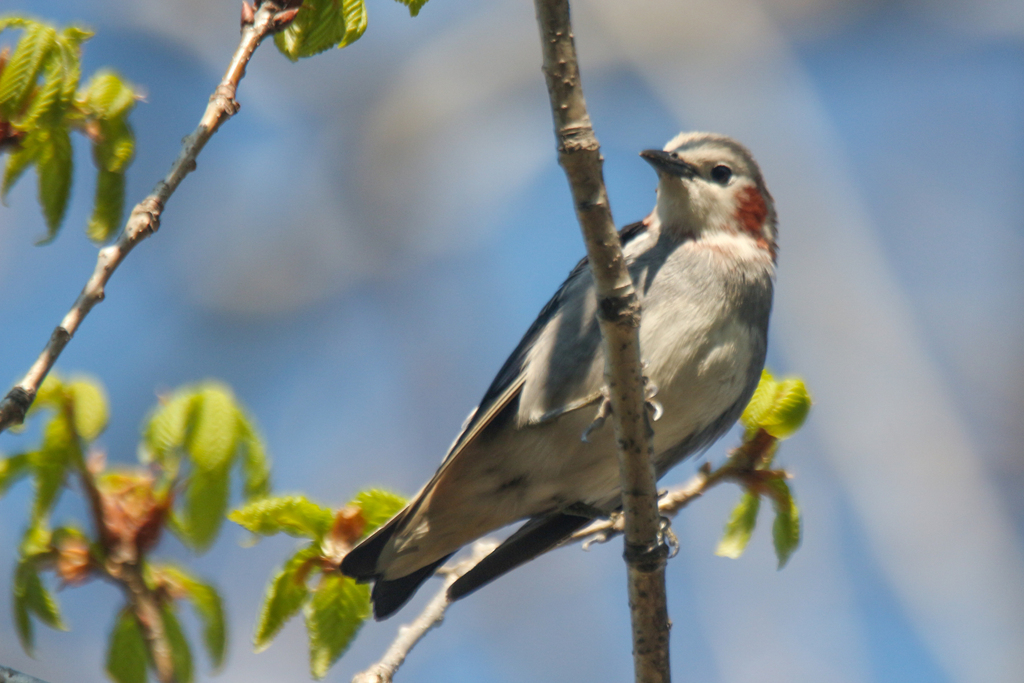
Chestnut-cheeked Starling
Agropsar philippensisAlso known as Red-cheeked Starling
Chestnut-cheeked Starlings are gregarious, tree-dwelling songbirds that travel in lively flocks through woodland canopies and orchards. Males sport glossy purplish-black upperparts and warm chestnut-rufous cheek patches, while females wear a softer grey-brown plumage with pale wingbars. Each spring they claim tree cavities or nest boxes across Japan and nearby Russian islands to raise broods before migrating south in large groups for the winter.
MigratoryFlockingCavity Nester
—observations
—countries
—peak records
Least ConcernConservation statusIUCN Red List categoriesLCNTVUENCREWEXLeast ConcernRed List categories, explained →
Diet & preyBeetles, Caterpillars, Wild berries
Predators
- Japanese Sparrowhawk
- Tree-climbing snakes
- Domestic cats
ThreatsHabitat loss in wintering grounds and agricultural pesticide use
HabitatsOpen woodlands, forest edges, orchards, parks, and farmlands
Life span5 to 10 years in the wild
Classification
- FamilySturnidae
- SpeciesAgropsar philippensis
Range data is not available yet.
Interaction riskLow
- Low
- Moderate
- High
- Very high
- Why interaction risk is low
- Safe to observe at a normal distance.
Responsible observation
- Listening: Scan tall treetops and orchard edges for chattering, metallic calls during spring and autumn migration.
- Field Marks: Look for the male's chestnut cheek patch and glossy dark back, plus pale wingbars in both sexes.
- Nesting Etiquette: Keep a respectful distance from tree-cavity nests so adults can feed chicks undisturbed.
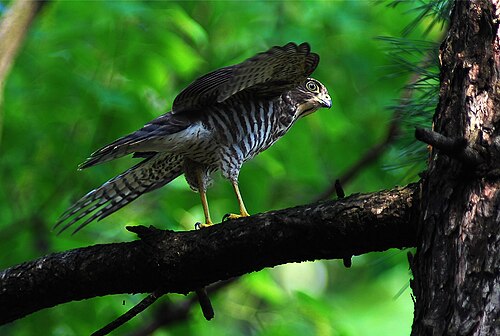
Predator たー坊 / CC BY-SA 3.0 · cc-by-sa Image unavailable
Close Relative Same Family
Help improve the field guideSomething wrong?
Checking your Fauna account…Report a name, category, or profile issue for review.