
Bird
Hooded Plover
Thinornis cucullatusAlso known as Hooded Dotterel, Hoodie
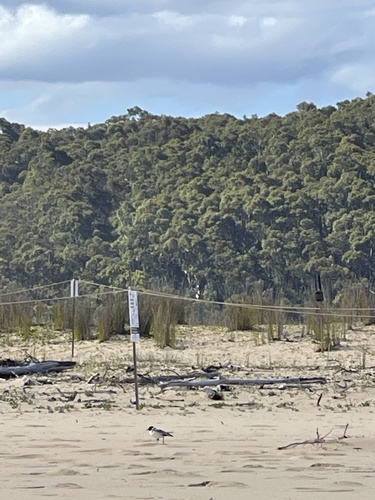
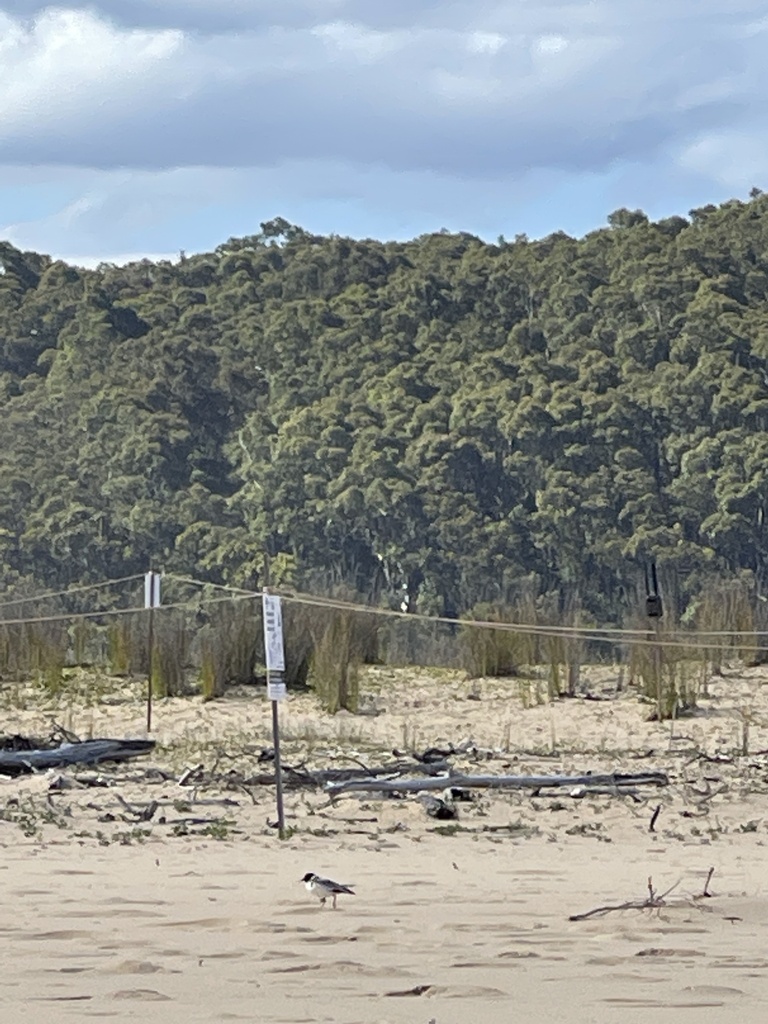
Hooded plovers are stocky, distinctive beach-dwelling shorebirds instantly recognizable by their black hood, white nape, and bright red eye-ring. They inhabit wave-swept sandy coastlines, scurrying along the wash zone to pluck invertebrates stranded by retreating surf. Because pairs nest directly in shallow scrapes in the upper dry sand, their eggs and flightless chicks face constant pressure from recreational beach activities and introduced predators.
ShorebirdCoastalEndemic
—observations
—countries
—peak records
Near ThreatenedConservation statusIUCN Red List categoriesLCNTVUENCREWEXNear ThreatenedRed List categories, explained →
Diet & preyBeach Amphipods, Polychaete Worms, Small Bivalves
Predators
- Red Fox
- Silver Gull
- Feral Cat
ThreatsOff-leash dogs, vehicle traffic, human trampling, and introduced mammalian predators
HabitatsHigh-energy ocean beaches, sand dunes, and subcoastal lagoons
Life span10–15 years
Classification
- FamilyCharadriidae
- SpeciesThinornis cucullatus
Range data is not available yet.
Interaction riskLow
- Low
- Moderate
- High
- Very high
- Why interaction risk is low
- Harmless bird; safe to observe from a respectful distance.
- What to notice
- Look for a prominent black head, white neck band, sandy brown back, and bright red eye-ring on open ocean beaches.
- Support conservation
- Maintain at least 100 meters of space, walk below the high-tide line, and heed seasonal beach closure signs.
Responsible observation
- Wet sand walking: Stick to wet sand close to the water line to avoid crushing camouflaged eggs in the high-tide zone.
- Leash pets: Keep dogs strictly on leashes near coastal dunes where pairs vigorously defend nesting territories.
- Watch body language: Step back immediately if an adult bobs its head nervously or feigns injury to draw you away.
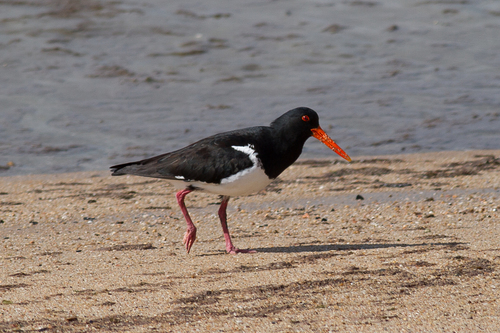
Frequent Companion (c) Kym Nicolson, some rights reserved (CC BY) · cc-by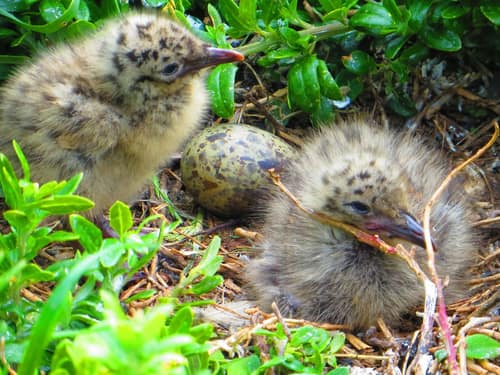
Predator (c) DiverDave, some rights reserved (CC BY-SA) · cc-by-sa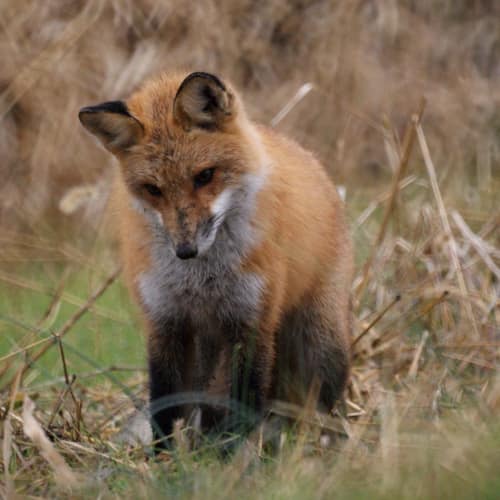
Predator "Red Fox" by Mike's Birds is licensed under CC BY-SA 2.0. To view a copy of this license, visit https://creativecommons.org/licenses/by-sa/2.0/. · cc-by-sa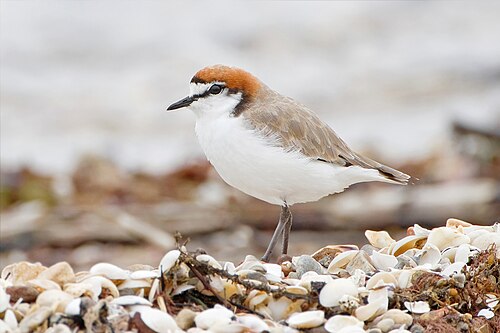
Close Relative JJ Harrison (https://www.jjharrison.com.au/) / CC BY-SA 3.0 · cc-by-sa
Help improve the field guideSomething wrong?
Checking your Fauna account…Report a name, category, or profile issue for review.