
Bird · GBIF taxon 6086250
Oahu ʻElepaio
Chasiempis ibidisAlso known as Oahu Elepaio, Oahu Flycatcher
Oʻahu ʻElepaio are curious, territorial monarch flycatchers that actively defend their home ranges year-round in mesic and wet native forests. Adults forage acrobatically by snatching insects from leaves, twigs, and mid-air, frequently investigating hikers who pass through their territory. Nesting high in forest canopy trees, pairs suffer severe pressures from introduced predators and mosquito-borne diseases, making ongoing habitat management vital to their survival.
EndemicPasserineInsectivore
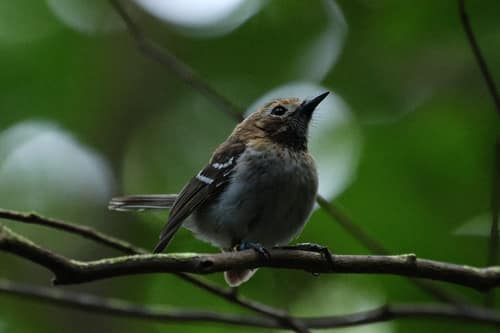
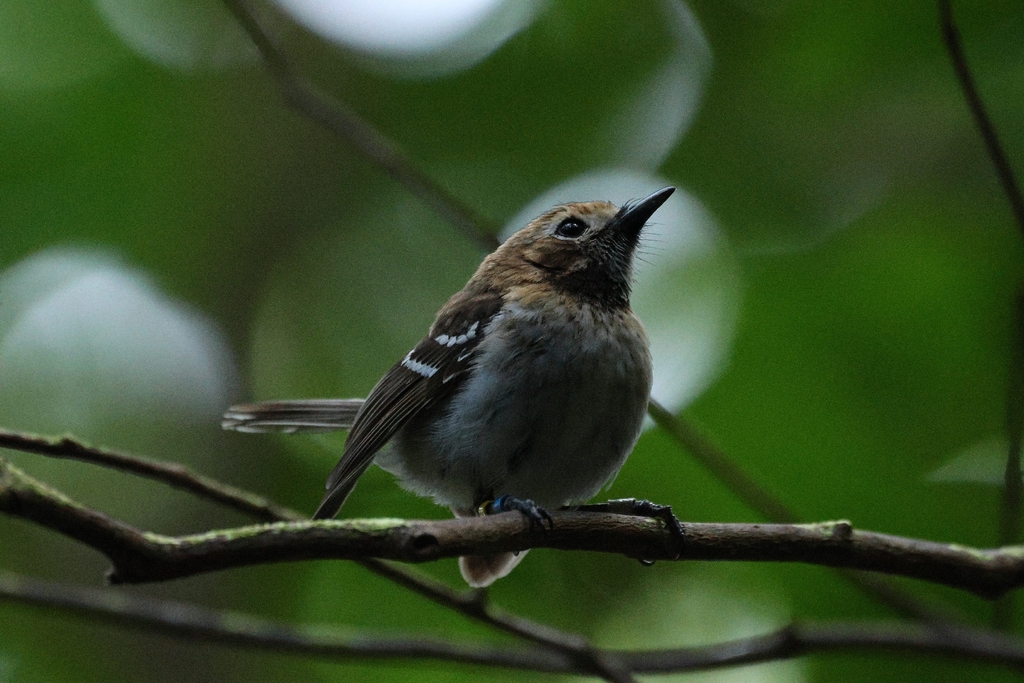
—observations
—countries
—peak records
VulnerableConservation statusIUCN Red List categoriesLCNTVUENCREWEXVulnerableRed List categories, explained →
Diet & prey
- Caterpillars
- Beetles
- Spiders
Predators
- Black Rat
- Feral Cat
- Small Asian Mongoose
ThreatsAvian malaria, rat predation, and habitat degradation
HabitatsSubtropical wet forests and mesic valleys
Life span10–15 years
Size / weightNot available
Classification
- FamilyMonarchidae
- SpeciesChasiempis ibidis
Range data is not available yet.
Interaction riskLow
- Low
- Moderate
- High
- Very high
- Why interaction risk is low
- Safe to observe at a normal distance.
- What to notice
- Look for a small monarch flycatcher with a brownish back, white rump patch, and streaked chest perching upright in native canopy trees.
- Support conservation
- Observe strictly from marked public trails, avoid using broadcast playback calls, and never disturb active nest sites.
Responsible observation
- Listen for Calls: Search high-elevation forest trails on Oʻahu while listening for their distinct whistling whistle.
- Maintain Distance: Give foraging birds ample space to avoid disturbing their natural behavior and nesting sites.
- Stay on Trails: Protect fragile native Hawaiian forest understory by sticking strictly to designated paths.
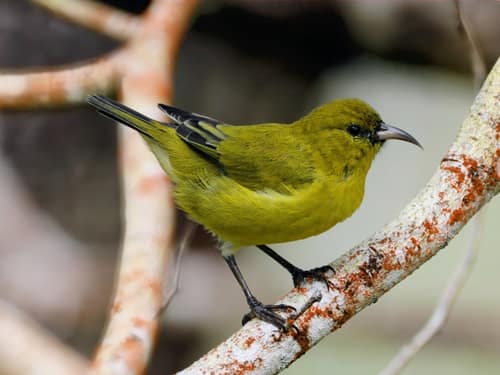
Co-occurring Native (c) Damien Wallace, some rights reserved (CC BY), uploaded by Damien Wallace · cc-by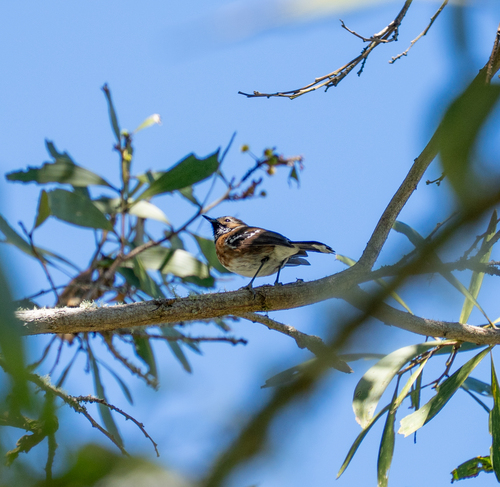
Close Relative (c) Bob Walker, some rights reserved (CC BY) · cc-by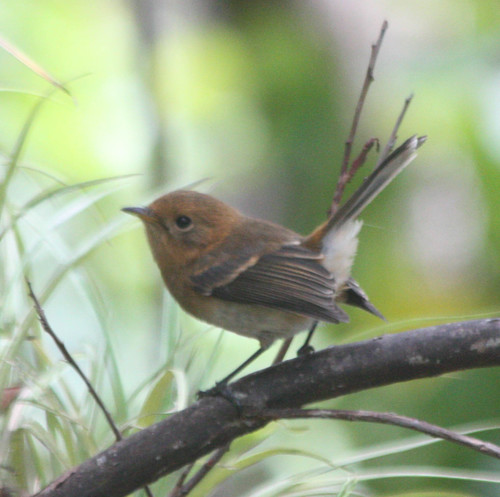
Close Relative no rights reserved, uploaded by Scott Loarie · cc0
Help improve the field guideSomething wrong?
Checking your Fauna account…Report a name, category, or profile issue for review.