
Bird · GBIF taxon 6066035
Aeʻo
Himantopus mexicanus knudseniAlso known as Hawaiian Stilt, Kukuluaeʻo, Hawaiian Black-Necked Stilt
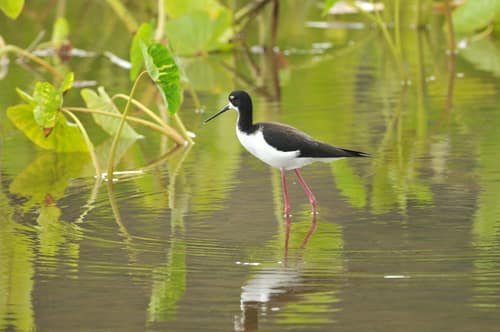
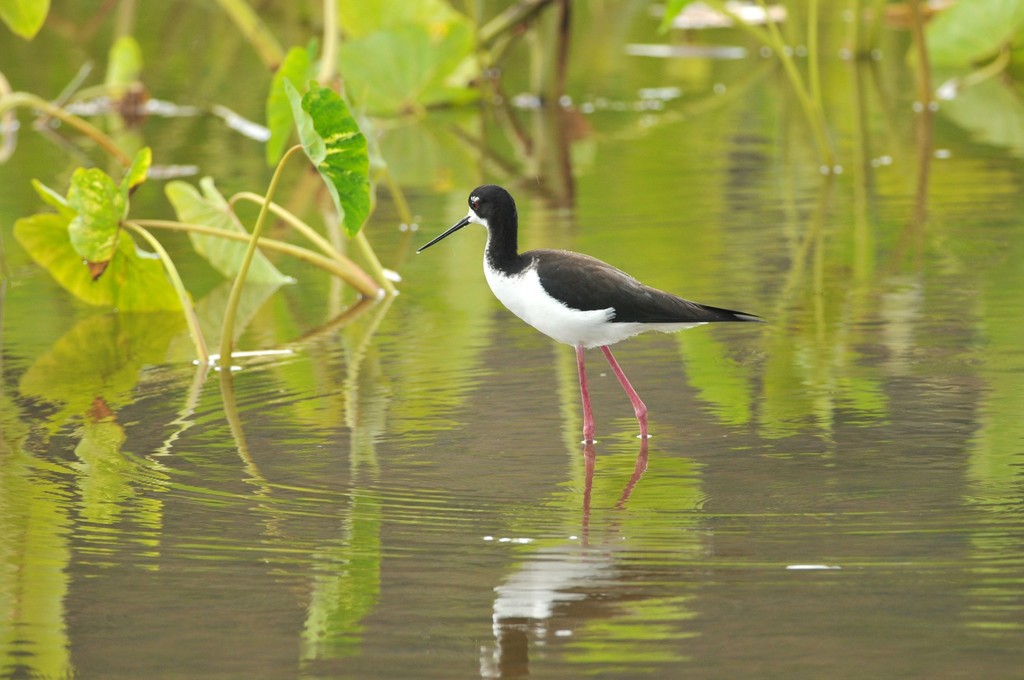
Hawaiian stilts strut through shallow mudflats and taro patches on striking, needle-thin pink legs that account for more than half their total height. Their sharp, yapping alarm calls echo across coastal wetlands whenever intruders approach their ground nests, which adults aggressively defend using vocal distraction displays. Adapted to Hawaii's freshwater and brackish ecosystems, these shorebirds forage by snatching aquatic insects, worms, and small fish directly from shallow water.
EndemicShorebird
—observations
—countries
—peak records
EndangeredConservation statusIUCN Red List categoriesLCNTVUENCREWEXEndangeredRed List categories, explained →
Diet & prey
- Aquatic Insects
- Small Fish
- Crustaceans
Predators
- Small Indian Mongoose
- Feral Cat
- Black Rat
ThreatsWetland habitat loss, invasive predators, altered hydrology, and sea level rise
HabitatsCoastal wetlands, mudflats, taro patches, shallow freshwater and brackish ponds
Life span10–20 years
Size / weightNot available
Classification
- FamilyRecurvirostridae
- SpeciesHimantopus mexicanus knudseni
Range data is not available yet.
Interaction riskLow
- Low
- Moderate
- High
- Very high
- Why interaction risk is low
- Safe to observe at a normal distance.
- What to notice
- Recognizable by bright pink legs, black upperparts, and black coloration extending further down the face and neck than mainland stilts.
- Support conservation
- Maintain a respectful distance near wetland sanctuaries, never approach nests, and strictly follow posted refuge guidelines.
Responsible observation
- Observe from a distance: Use binoculars or a spotting scope to avoid disturbing feeding or nesting birds.
- Stay on trails: Keep out of protected mudflats and vegetated pond edges during the spring breeding season.
- Control pets: Keep dogs on leashes near coastal wetlands to protect ground-nesting wildlife.
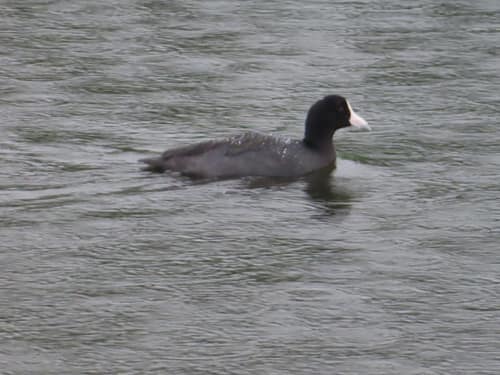
Habitat Companion (c) Ken Clark, some rights reserved (CC BY) · cc-by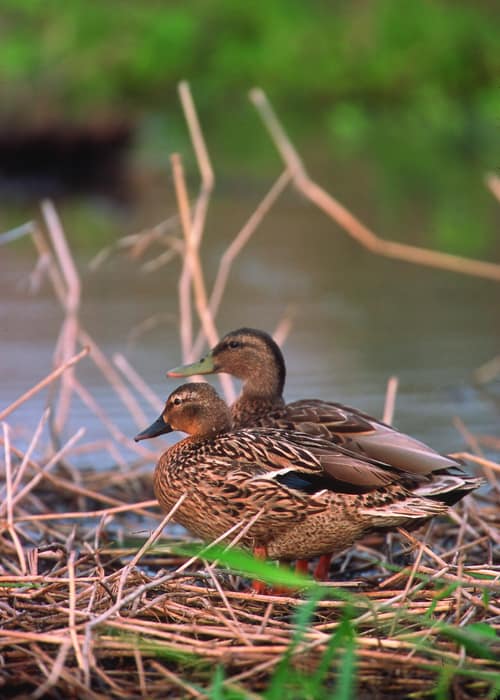
Habitat Companion Photo courtesy of USDA Natural Resources Conservation Service. / Public domain · cc0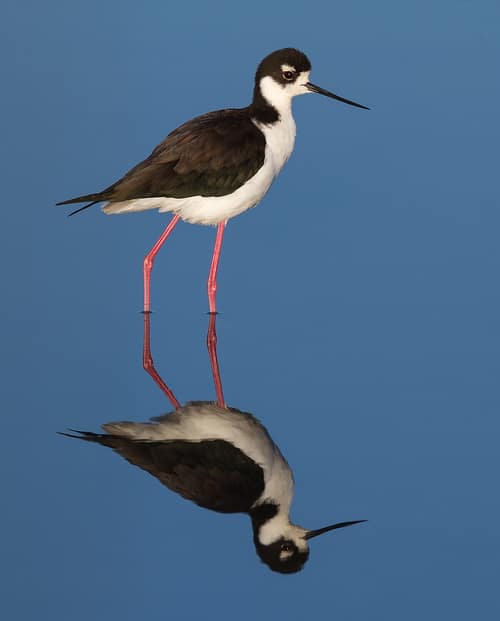
Close Relative Frank Schulenburg / CC BY-SA 3.0 · cc-by-sa
Help improve the field guideSomething wrong?
Checking your Fauna account…Report a name, category, or profile issue for review.