
Plant
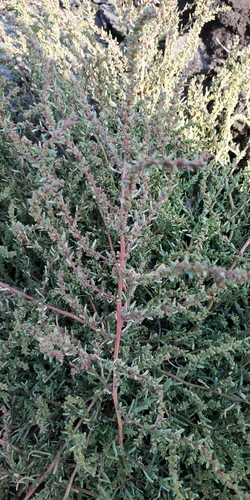
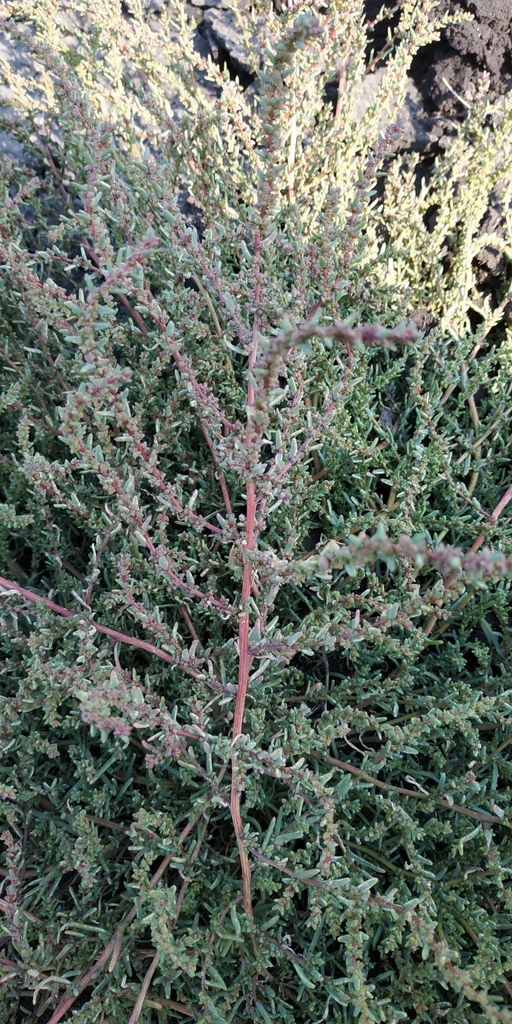
Striped-stalked Saltwort
Suaeda salsaAlso known as Red Seablite, Salsa Seablite, Saline Seablite
Striped-stalked saltwort transforms intertidal mudflats and inland salt marshes into brilliant crimson tapestries each autumn as betacyanin pigments concentrate within its succulent leaves. Adapted to harsh saline and alkaline conditions, the annual plant absorbs high concentrations of salt into its tissues, pioneering ecological succession on barren coastal flats. Dense colonies stabilize shifting sediments and provide essential foraging grounds for millions of migratory shorebirds navigating Eurasian flyways.
HalophyteWetlandAnnual
—observations
—countries
—peak records
Not EvaluatedConservation statusIUCN Red List categoriesLCNTVUENCREWEXNot Evaluated — not placed on the risk ladderRed List categories, explained →
Diet & preySunlight, Carbon dioxide, Saline soil nutrients
Predators
- Migratory waterfowl
- Herbivorous insects
- Grazing livestock
ThreatsLand reclamation, coastal industrial development, and wetland drainage
HabitatsCoastal salt marshes, saline mudflats, and alkaline lake margins
Life span1 year (annual)
Classification
- OrderCaryophyllales
- FamilyAmaranthaceae
- GenusSuaeda
- SpeciesSuaeda salsa
Range data is not available yet.
Interaction riskLow
- Low
- Moderate
- High
- Very high
- Why interaction risk is low
- Safe to observe at a normal distance.
Responsible observation
- Season: Visit coastal tidal marshes from September to October to view vivid red foliage at its peak.
- Tread lightly: Stick to established boardwalks to avoid damaging fragile salt marsh crusts and disturbing feeding birds.
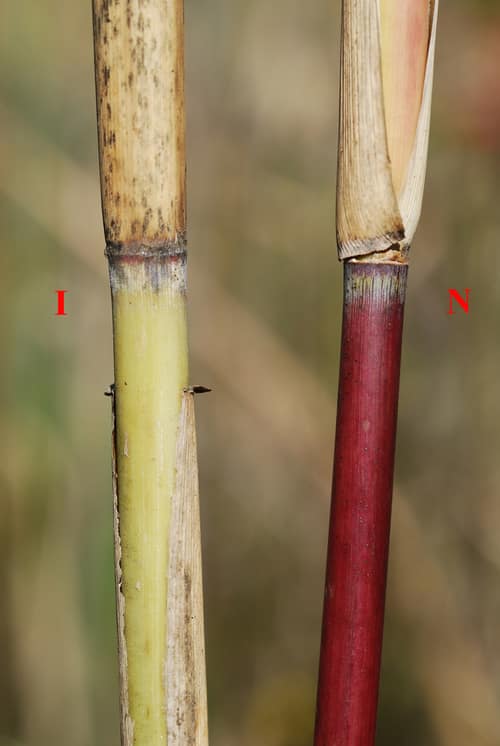
Competitor (c) Douglas Goldman, some rights reserved (CC BY-SA), uploaded by Douglas Goldman · cc-by-sa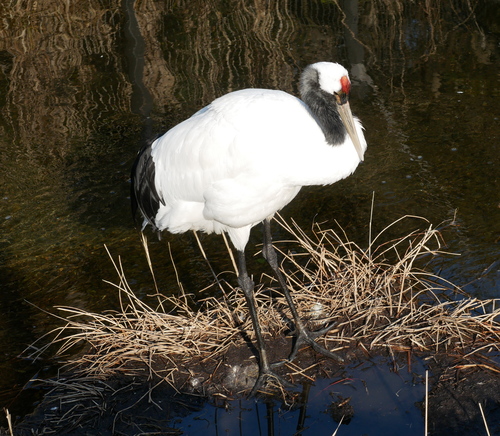
Frequent Companion (c) Nesnad, some rights reserved (CC BY) · cc-by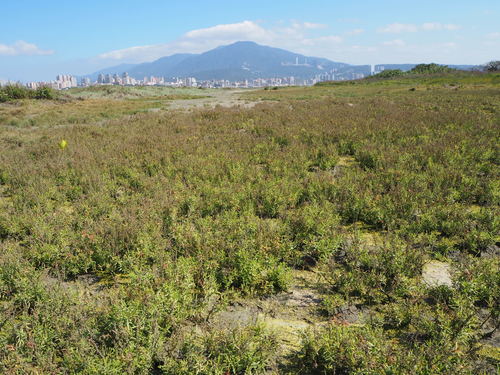
Close Relative no rights reserved, uploaded by 葉子 · cc0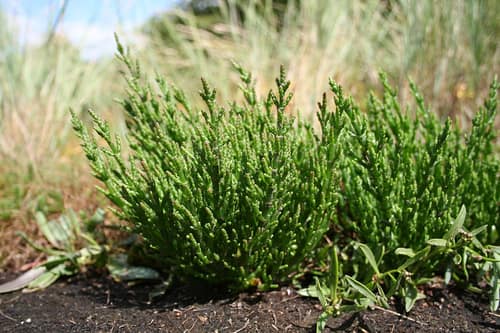
Same Family Marco Schmidt [1] / CC BY-SA 2.5 · cc-by-sa
Help improve the field guideSomething wrong?
Checking your Fauna account…Report a name, category, or profile issue for review.