
Fungus
Black Sheet Lichen
Parmotrema reticulatumAlso known as Netted Ruffle Lichen
Black sheet lichens spread across tree bark and shaded rock in broad, ruffled rosettes of pale mineral-gray lobes etched with a fine network of white cracks. Their upturned margins sprout powdery clusters of soredia fringed with tiny black hairs called cilia, allowing the lichen to clone itself whenever wind or rain carries fragments away. Thriving in humid forests, orchards, and city parks across temperate and tropical regions, this partnership between a fungus and green algae absorbs water and nutrients straight from the air.
Foliose LichenSymbioticWidespread
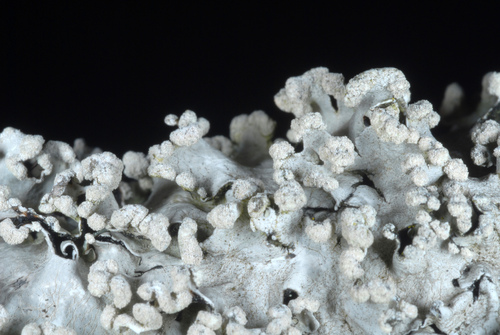
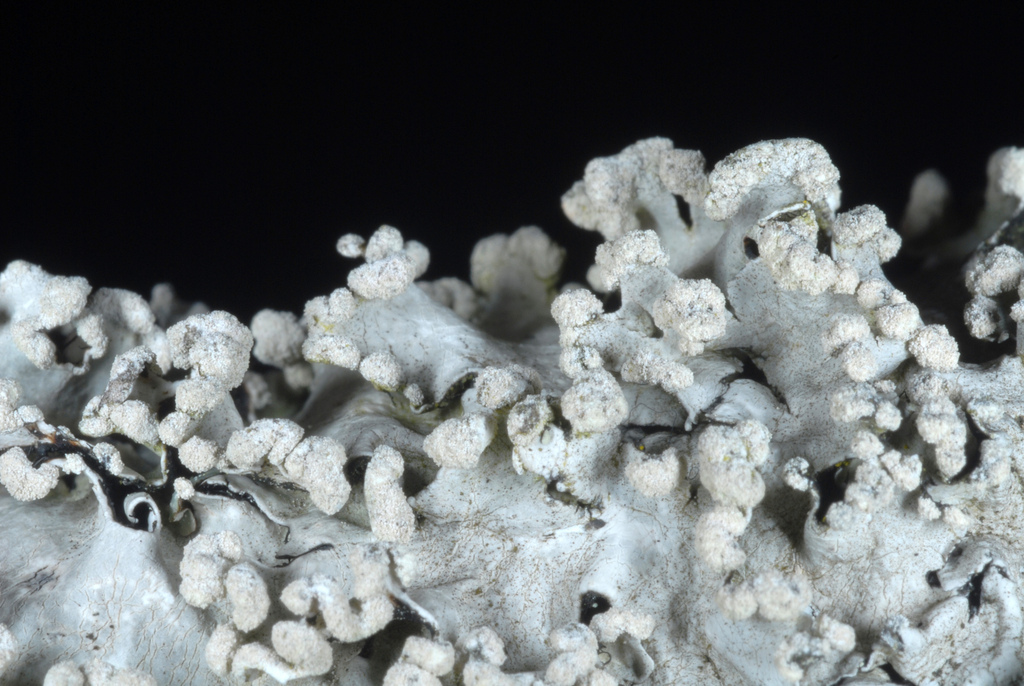
—observations
—countries
—peak records
Not EvaluatedConservation statusIUCN Red List categoriesLCNTVUENCREWEXNot Evaluated — not placed on the risk ladderRed List categories, explained →
Diet & preySunlight, Atmospheric moisture, Airborne minerals
Predators
- Slugs
- Mites
- Springtails
ThreatsAir pollution, acid rain, and habitat loss from deforestation
HabitatsTree bark, fence posts, and shaded rocks in humid forests, parks, and woodlands
Life spanSeveral decades or longer under stable conditions
Classification
- FamilyParmeliaceae
- SpeciesParmotrema reticulatum
Range data is not available yet.
Interaction riskLow
- Low
- Moderate
- High
- Very high
- Why interaction risk is low
- Safe to touch and observe; many wild fungi have toxic look-alikes, so never eat any based on app identification alone.
Responsible observation
- Hand Lens: Inspect the upper surface under 10x magnification to see the faint white network of cracks.
- Color Shift: Watch how dry gray lobes turn vibrant greenish-gray within minutes after a rain shower.
- Air Quality: Note its abundance on local trees, as thriving colonies generally indicate cleaner air.
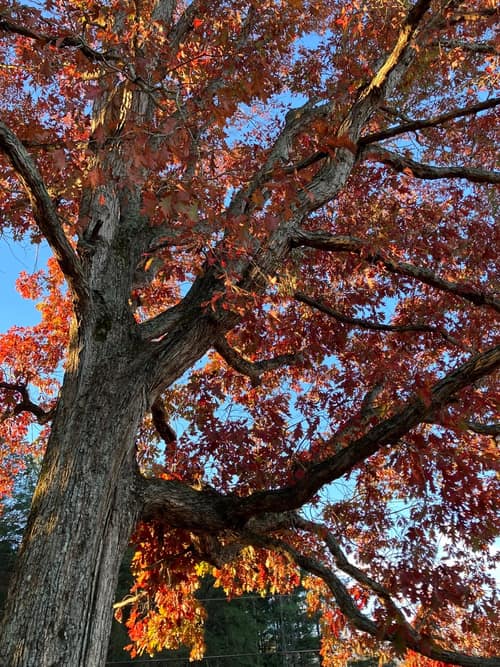
Host Plant (c) Alicia Ballard, some rights reserved (CC BY) · cc-by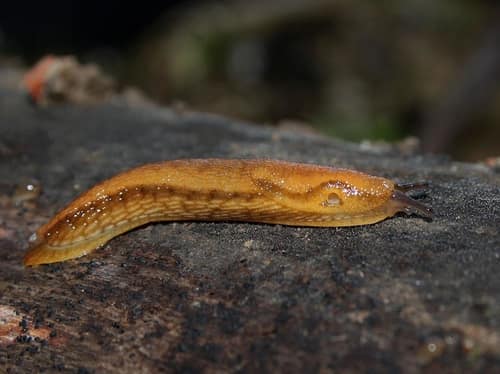
Predator (c) Holger Krisp, some rights reserved (CC BY) · cc-by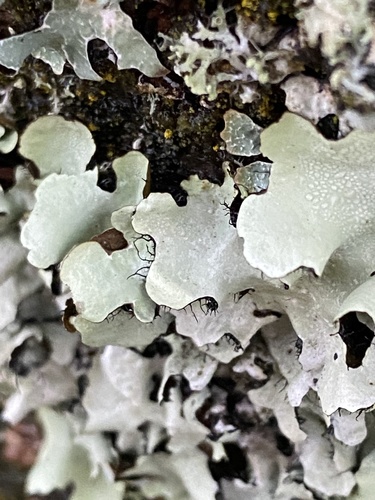
Close Relative (c) Harry Podschwit, some rights reserved (CC BY) · cc-by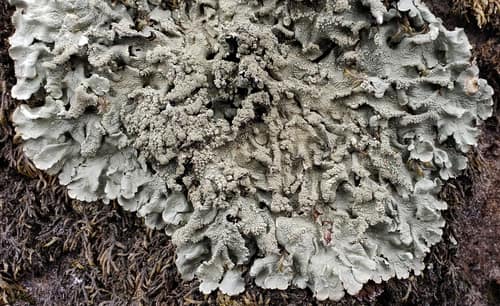
Same Family (c) aarongunnar, some rights reserved (CC BY), uploaded by aarongunnar · cc-by
Help improve the field guideSomething wrong?
Checking your Fauna account…Report a name, category, or profile issue for review.