
Fungus · GBIF taxon 6015230
Aspen Bolete
Leccinum insigneAlso known as Aspen Scaber-stalk
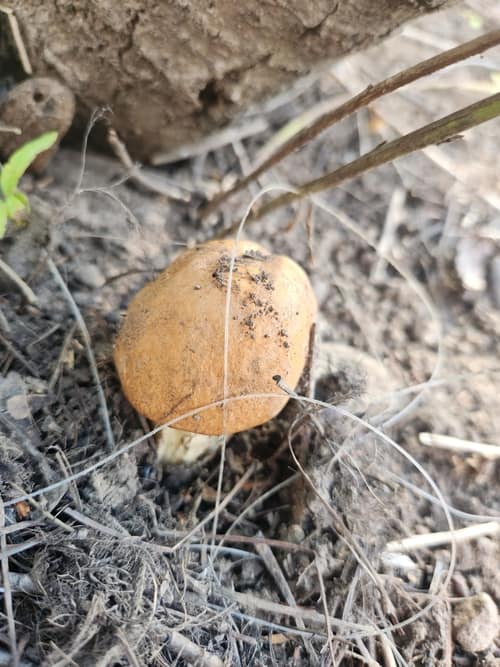
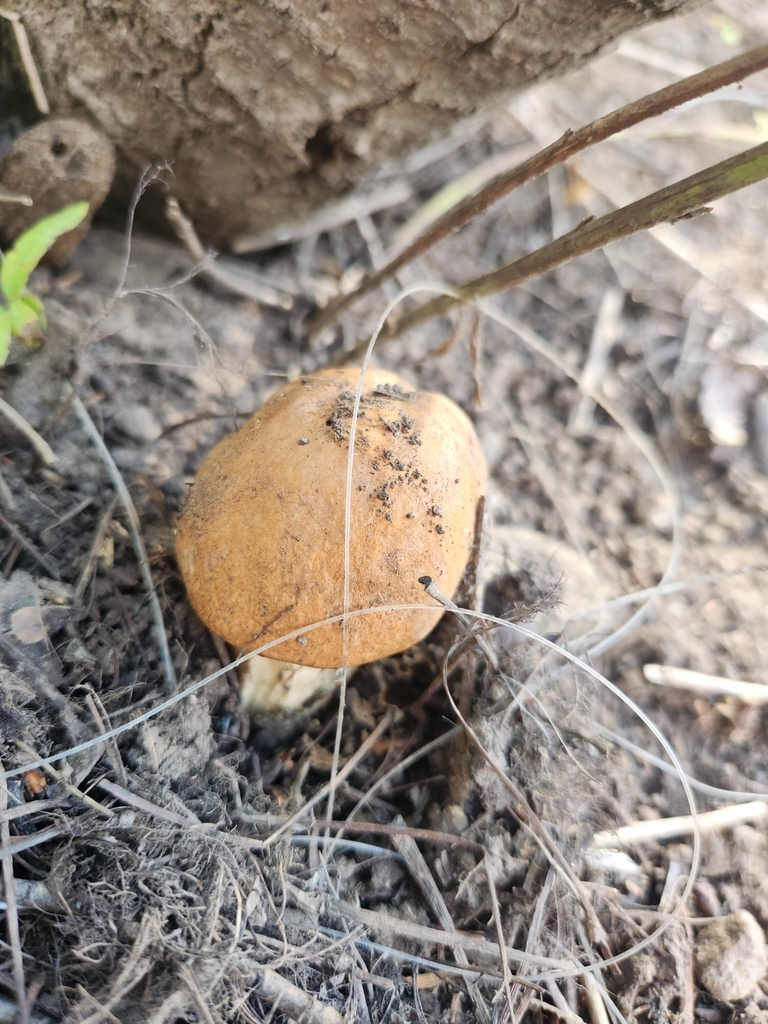
Aspen bolete forms an orange to red-brown cap above a pale stalk covered in dark rough scabers. Pores rather than gills line the cap underside, and the underground mycelium exchanges nutrients with aspen roots.
bolete fungusaspen associatescabered stalk
—observations
—countries
—peak records
Not EvaluatedConservation statusIUCN Red List categoriesLCNTVUENCREWEXNot Evaluated — not placed on the risk ladderRed List categories, explained →
Diet & prey
- Exchanges water and soil minerals for sugars through a mycorrhizal partnership with aspen
Predators
- slugs
- fungus gnats
- small mammals
ThreatsLoss of host trees, forest clearing, soil compaction, drought, fungicides, and intensive collection
HabitatsAspen groves, mixed woodland, mountain forest, and moist soil near living aspen roots
Life spanVisible structures last days to weeks; underground mycelium can persist for years
Size / weightNot available
Classification
- FamilyBoletaceae
- SpeciesLeccinum insigne
Range data is not available yet.
Interaction riskHigh
- Low
- Moderate
- High
- Very high
- Why interaction risk is high
- Bolete look-alikes are dangerous; do not eat or ingest wild fungi, especially raw specimens.
- Why it is dangerous
- Raw specimens can cause poisoning, and similar reddish-capped boletes may be hazardous when misidentified.
- How to recognize a risky encounter
- An orange to red-brown cap, pale pores, dark stem scabers, and nearby aspen are key clues.
- What to do
- Never consume or taste a wild mushroom; keep children and pets away from collected specimens.
Responsible observation
- Underside: Confirm pores rather than gills without breaking the cap.
- Stalk: Observe dark scabers and nearby aspen while leaving the fungus rooted.
Help improve the field guideSomething wrong?
Checking your Fauna account…Report a name, category, or profile issue for review.