
Fungus · GBIF taxon 6014310
Phallus rubicundus
Phallus rubicundusAlso known as Red Stinkhorn
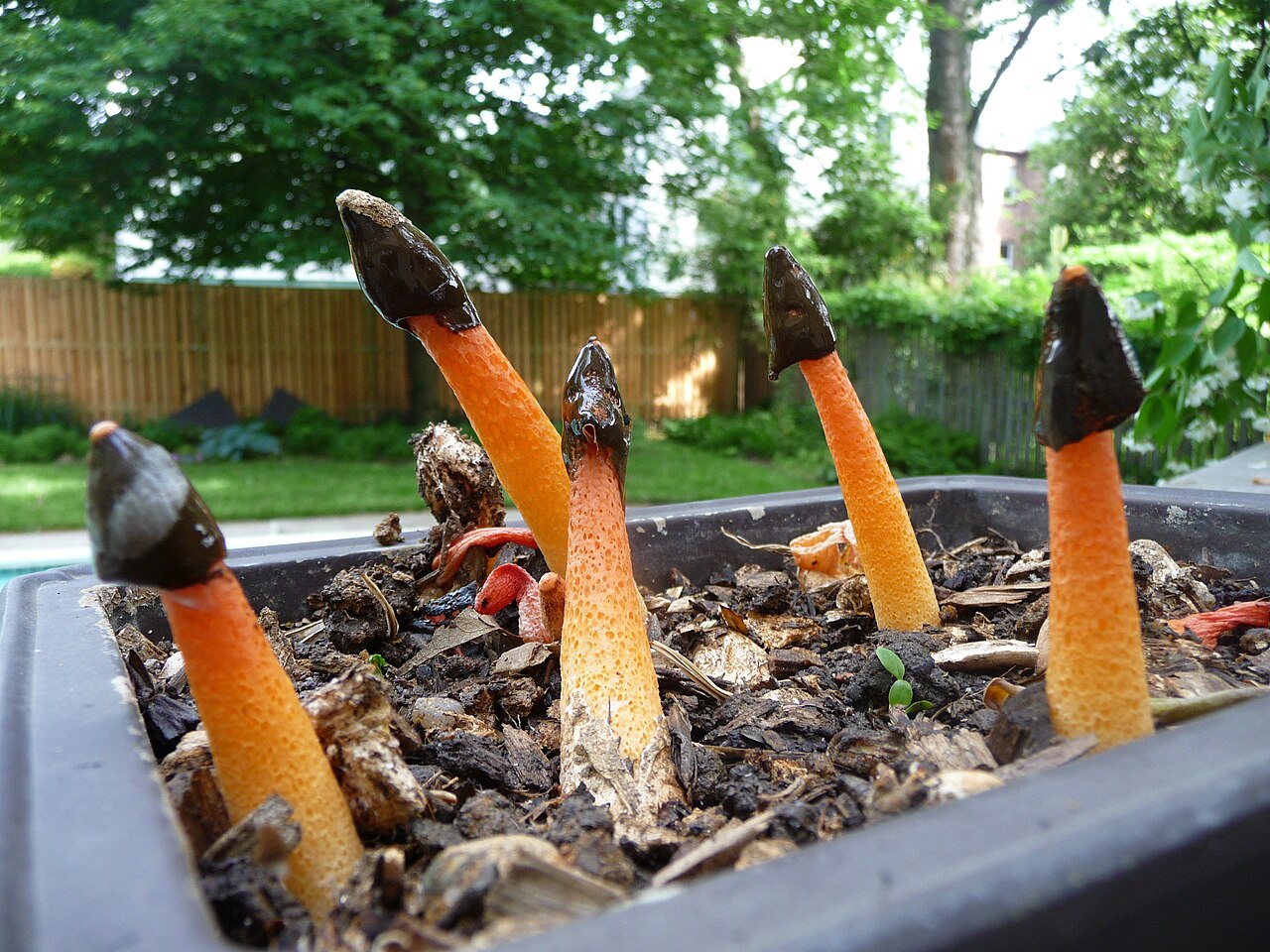
Emerging rapidly from a subterranean gelatinous egg, this vibrant stinkhorn produces a slender scarlet to orange stalk crowned with a pitted conical cap. The cap is coated in a pungent, olive-brown gleba whose carrion scent attracts blowflies and beetles to disperse its microscopic spores. Primarily a tropical and subtropical saprotroph, it thrives in rich humus, decaying woodchips, and cultivated mulch beds following warm rains.
DecomposerCarrion MimicTropical

—observations
—countries
—peak records
Not EvaluatedConservation statusIUCN Red List categoriesLCNTVUENCREWEXNot Evaluated — not placed on the risk ladderRed List categories, explained →
Diet & prey
- Saprotrophic (decaying woody debris and plant litter)
Predators
- Blowflies
- Carrion beetles
- Slugs
ThreatsFungicide application, soil contamination, extensive land clearing
HabitatsTropical forests, gardens, cultivated mulch beds, disturbed soils
Life spanFruit body lasts 1–3 days; underground mycelium persists for years
Size / weightNot available
Classification
- FamilyPhallaceae
- SpeciesPhallus rubicundus
Range data is not available yet.
Interaction riskLow
- Low
- Moderate
- High
- Very high
- Why interaction risk is low
- Many wild fungi have toxic look-alikes; never consume wild mushrooms based on app identification alone.
Responsible observation
- Scent Tracking: Follow a faint carrion scent in garden beds or wood mulch on warm mornings to spot freshly opened specimens.
- Fly Observation: Watch the cap quietly to see blowflies rapidly clean away the dark gleba down to the orange framework.
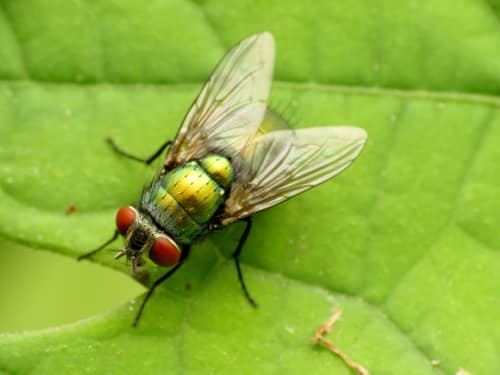
Spore Disperser (c) Katja Schulz, some rights reserved (CC BY), uploaded by Katja Schulz · cc-by
Close Relative Jörg Hempel / CC BY-SA 3.0 de · cc-by-sa
Close Relative (c) Bernie Paquette, some rights reserved (CC BY) · cc-by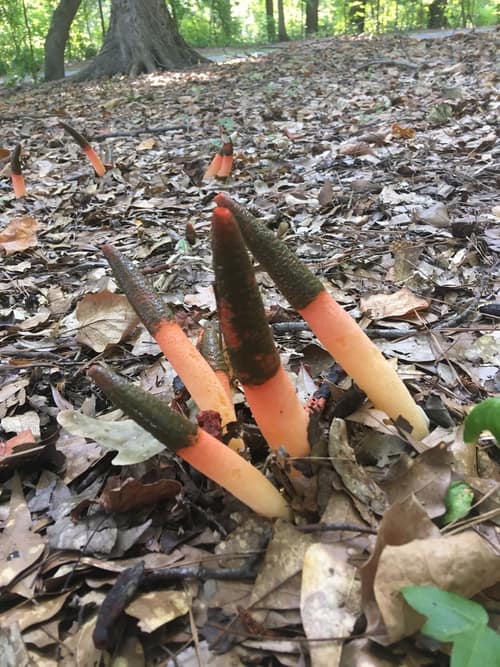
Same Family (c) Sean Bloom, some rights reserved (CC BY), uploaded by Sean Bloom · cc-by
Help improve the field guideSomething wrong?
Checking your Fauna account…Report a name, category, or profile issue for review.