
Insect · GBIF taxon 5997001
Ivory-marked Beetle
Eburia quadrigeminataAlso known as Ivory-marked Borer, Four-spotted Ivory Beetle
Ivory-marked beetles are nocturnal longhorns recognized by distinctive paired, porcelain-white spots raised like ivory inlays on their brownish wing covers. Larvae bore deep into the dry heartwood of dead or seasoned deciduous trees, developing so slowly in dry milled wood that adults occasionally emerge from antique furniture decades after manufacture. Adults are readily drawn to artificial lights on warm summer nights and squeak audibly by rubbing thoracic segments together when disturbed.
NocturnalWood-boringLonghorn Beetle
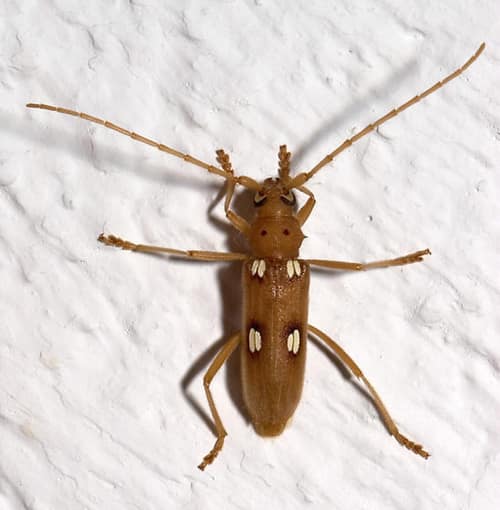
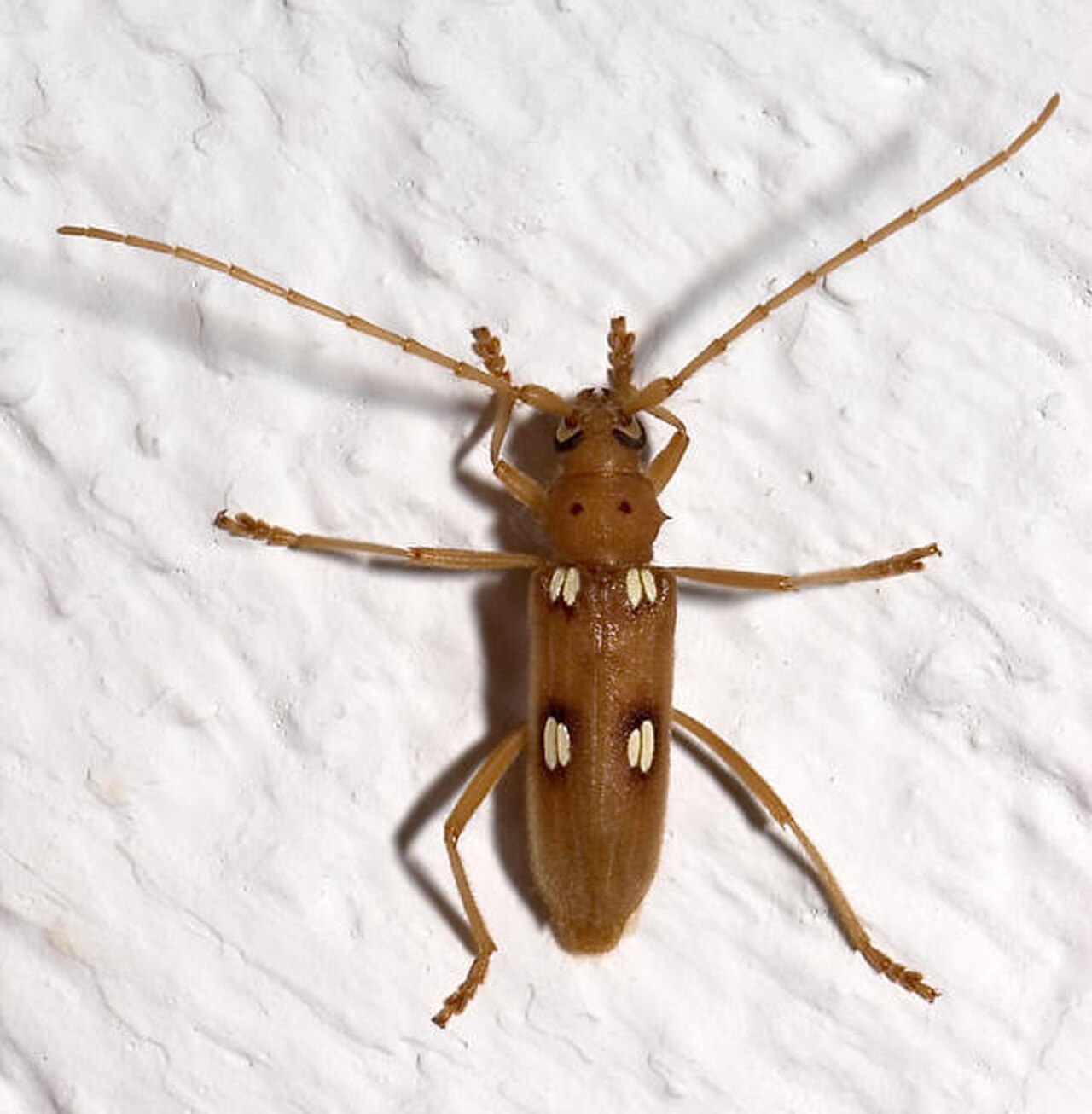
Licensed referenceMike Boone / CC BY-SA 2.5 · cc-by-sa
—observations
—countries
—peak records
Not EvaluatedConservation statusIUCN Red List categoriesLCNTVUENCREWEXNot Evaluated — not placed on the risk ladderRed List categories, explained →
Diet & prey
- Oak heartwood
- Hickory heartwood
- Tree sap
Predators
- Pileated Woodpecker
- Hairy Woodpecker
- Assassin Bugs
ThreatsHabitat clearance and chemical pest control in commercial timber.
HabitatsDeciduous forests, oak-hickory woodlands, and seasoned timber structures.
Life spanTypically 2–5 years, but larvae trapped in dry lumber can survive over 30 years.
Size / weightNot available
Classification
- OrderColeoptera
- FamilyCerambycidae
- GenusEburia
- SpeciesEburia quadrigeminata
Range data is not available yet.
Interaction riskLow
- Low
- Moderate
- High
- Very high
- Why interaction risk is low
- Safe to observe at a normal distance.
Responsible observation
- Night Observation: Check illuminated porch lights or white sheets on warm summer nights.
- Gentle Handling: Grasp lightly behind the thorax to avoid a minor pinch from strong chewing mandibles.
- Wood Inspection: Look for small, oval exit holes on seasoned firewood and dead oak branches.
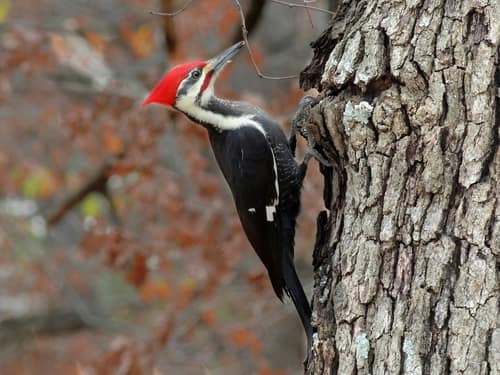
Predator (c) Joshlaymon, some rights reserved (CC BY-SA) · cc-by-sa Image unavailable
Ecological Counterpart 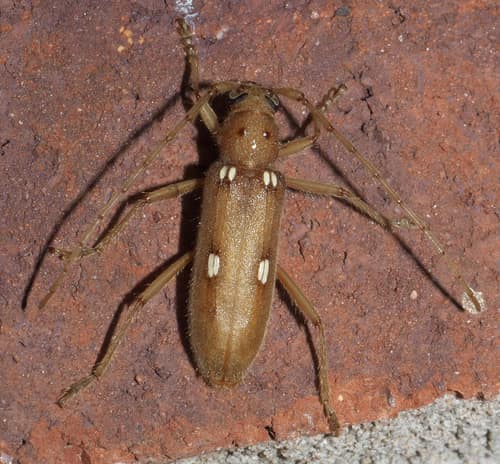
Close Relative Xpda / CC BY-SA 4.0 · cc-by-sa
Help improve the field guideSomething wrong?
Checking your Fauna account…Report a name, category, or profile issue for review.