
Invertebrate · GBIF taxon 5968757
Lumpy Claw Crab
Eriphia squamataAlso known as Scaly Pebble Crab, Rough Pebble Crab
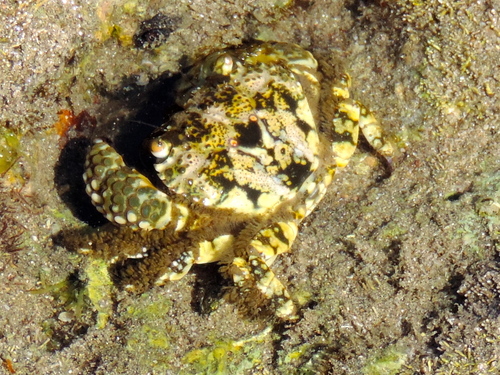
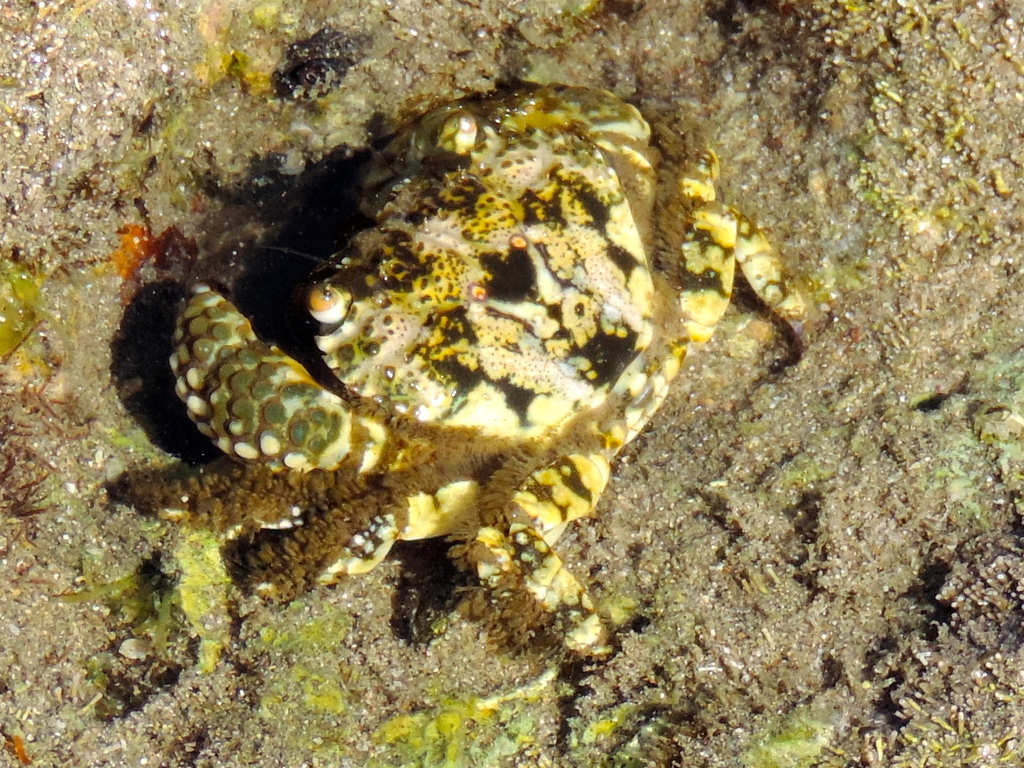
Lumpy claw crabs are stout, armored scavengers and predators that prowl intertidal rocky reefs along the eastern Pacific coastline. By day, they wedge themselves securely into deep fissures and under submerged boulders, using their tuberculated claws as defensive shields. At night, they emerge across exposed flats to crush hard-shelled mollusks and scrape encrusting algae with their heavily built chelipeds.
CrustaceanIntertidalNocturnal
—observations
—countries
—peak records
Not EvaluatedConservation statusIUCN Red List categoriesLCNTVUENCREWEXNot Evaluated — not placed on the risk ladderRed List categories, explained →
Diet & prey
- Marine snails
- Barnacles
- Limpets
Predators
- Octopuses
- Herons
- Moray eels
ThreatsCoastal development, intertidal habitat disturbance, and sea surface temperature anomalies
HabitatsIntertidal rocky reefs, boulder shores, and tide pools
Life span3–6 years
Classification
- FamilyEriphiidae
- SpeciesEriphia squamata
Range data is not available yet.
Interaction riskLow
- Low
- Moderate
- High
- Very high
- Why interaction risk is low
- Possesses powerful claws capable of delivering a painful pinch; observe in tide pools without handling.
- Why it is dangerous
- Equipped with heavily calcified, crushing chelae that deliver high-pressure pinches capable of lacerating human skin.
- How to recognize a risky encounter
- Distinguished by a squat, mottled brown to olive carapace and large claws covered in distinctive rounded bumps or scales.
- What to do
- Keep fingers clear of crevices and observe individuals in situ without picking them up.
Responsible observation
- Night Scouting: Use a red-filtered flashlight around tide pools during low spring tides to spot active foragers.
- Crevice Safety: Never reach blindly into rocky crevices where crabs retreat to avoid unexpected defensive pinches.
- Habitat Care: Always return overturned rocks to their original positions to preserve delicate intertidal microhabitats.
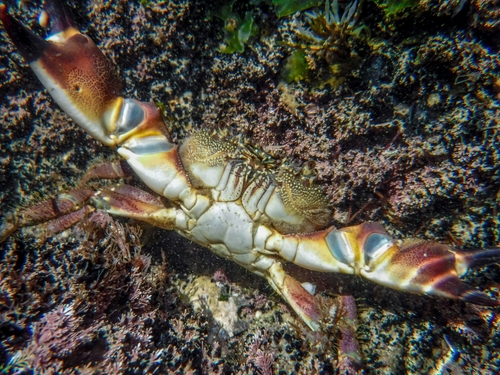
Same Genus (c) Nicola Simoncini, some rights reserved (CC BY), uploaded by Nicola Simoncini · cc-by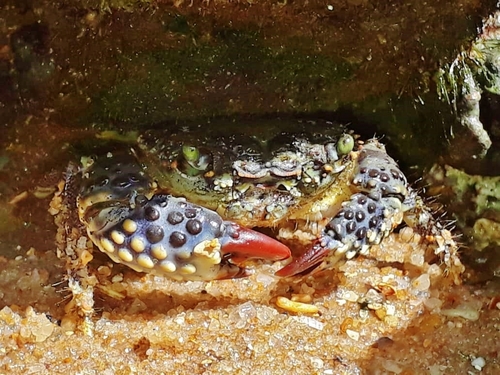
Same Genus (c) Douglas, some rights reserved (CC BY) · cc-by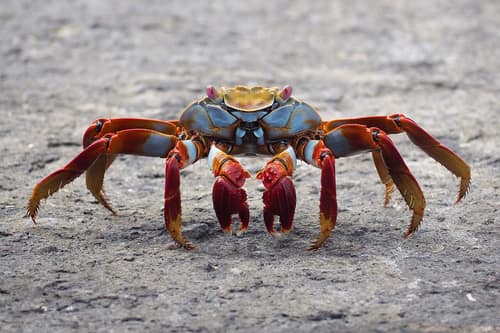
Intertidal Neighbor Nosferattus / CC0 · cc0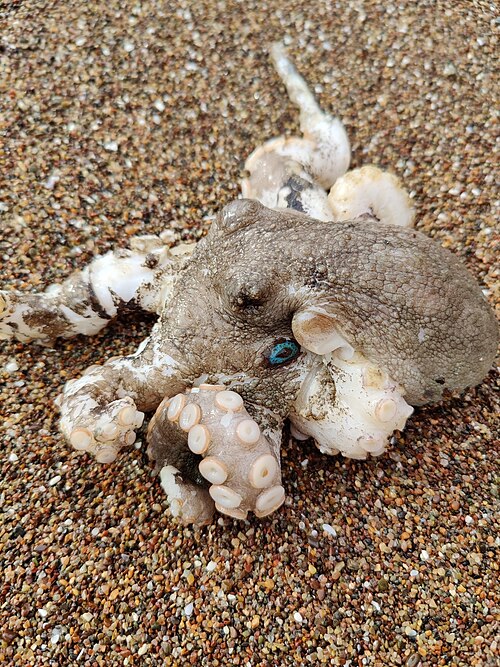
Predator no rights reserved / CC0 · cc0
Help improve the field guideSomething wrong?
Checking your Fauna account…Report a name, category, or profile issue for review.