
Species · GBIF taxon 5961447
Jumbie Teta
Ancistrus cirrhosusAlso known as Bristlenose Catfish, Bushynose Catfish, Jumbie Fish
Jumbie Teta cling to submerged rocks and fallen timber using modified suction-cup mouthparts, scraping algae and organic biofilm from hard surfaces. Males develop elaborate, branching fleshy tentacles across their snouts, which entice females and help aerate egg clutches tucked inside dark crevices. Covered in bony armor plates rather than scales, these resilient bottom-dwellers thrive in oxygen-rich river currents across South America.
AquaticFreshwaterArmored
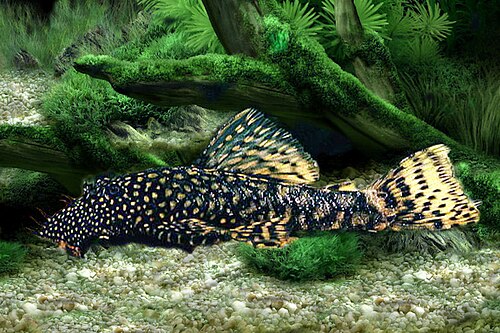
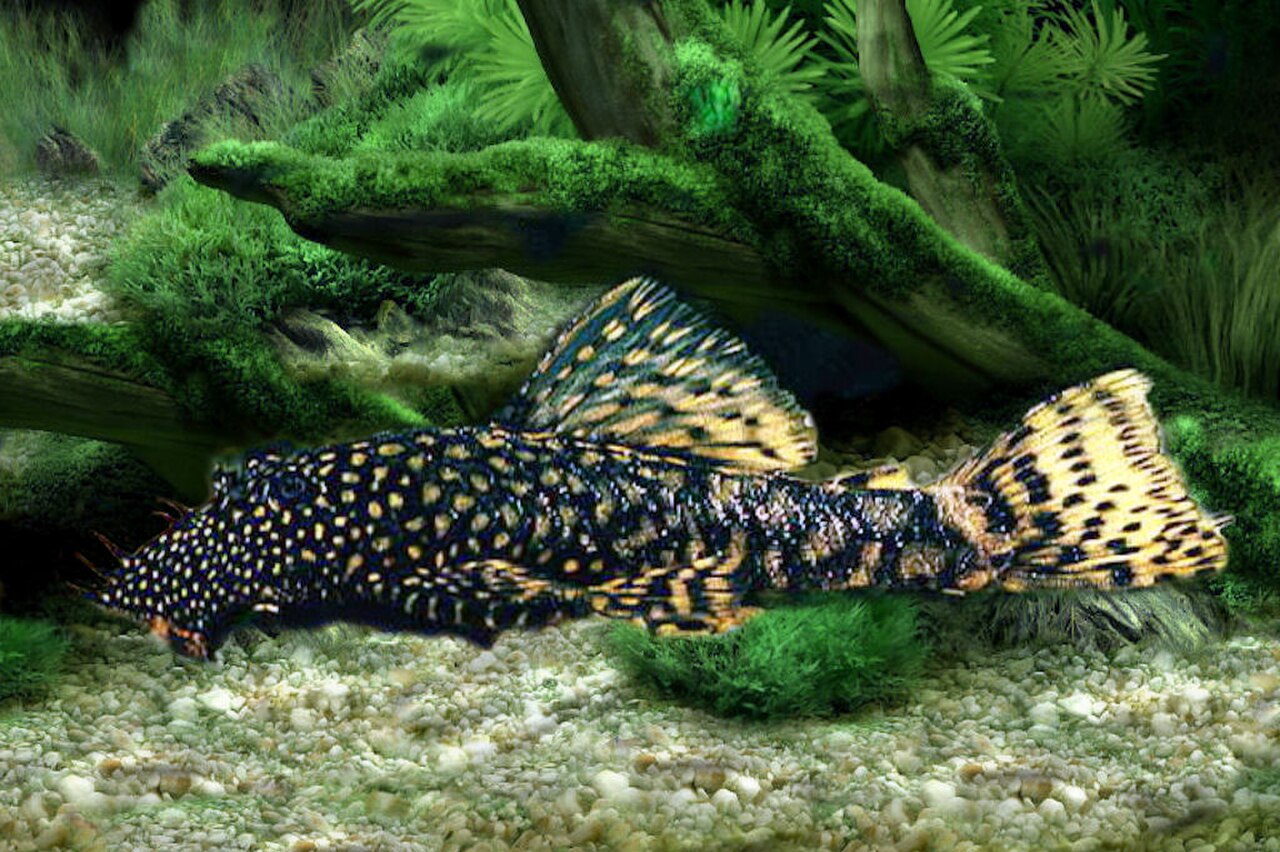
Licensed referenceThe Last 99 / CC BY-SA 3.0 de · cc-by-sa
—observations
—countries
—peak records
Least ConcernConservation statusIUCN Red List categoriesLCNTVUENCREWEXLeast ConcernRed List categories, explained →
Diet & prey
- Algae
- Biofilm
- Organic Detritus
Predators
- Large Cichlids
- Larger Predatory Catfish
- Water Birds
ThreatsWater pollution, dam construction, and habitat degradation
HabitatsClear freshwater rivers, rocky streams, and flooded forests
Life span5–12 years
Classification
- OrderSiluriformes
- FamilyLoricariidae
- GenusAncistrus
- SpeciesAncistrus cirrhosus
Range data is not available yet.
Interaction riskLow
- Low
- Moderate
- High
- Very high
- Why interaction risk is low
- Safe to observe at a normal distance.
Responsible observation
- Spotting hidden males: Search dark crevices, under logs, or under flat stones in clear, shallow streams.
- Observer distance: Avoid disturbing riverbed sediment, as clear water offers the best view of feeding behavior.
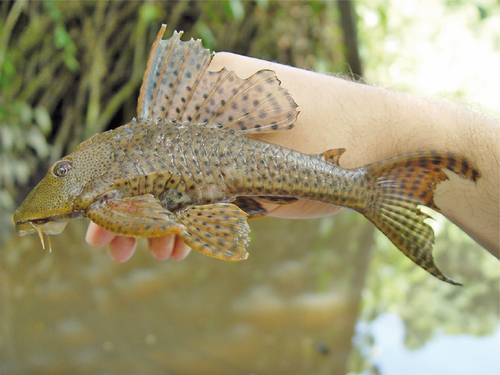
Co-occurring Loricariid Raphaël Covain, Natural History Museum of Geneva / CC BY-SA 4.0 · cc-by-sa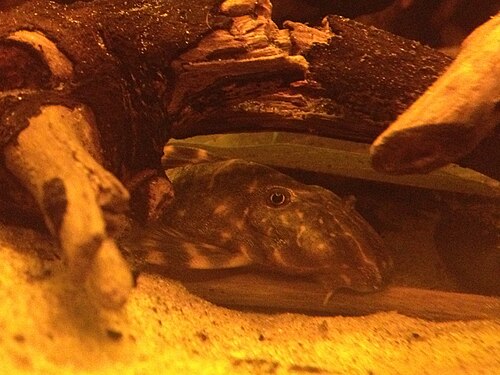
Habitat Competitor Jarne Colman / CC0 · cc0 Image unavailable
Close Relative
Help improve the field guideSomething wrong?
Checking your Fauna account…Report a name, category, or profile issue for review.