
Reptile · GBIF taxon 5960862
Adder
Vipera berusAlso known as Common European Adder, Common European Viper
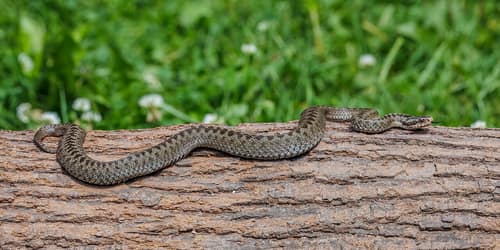
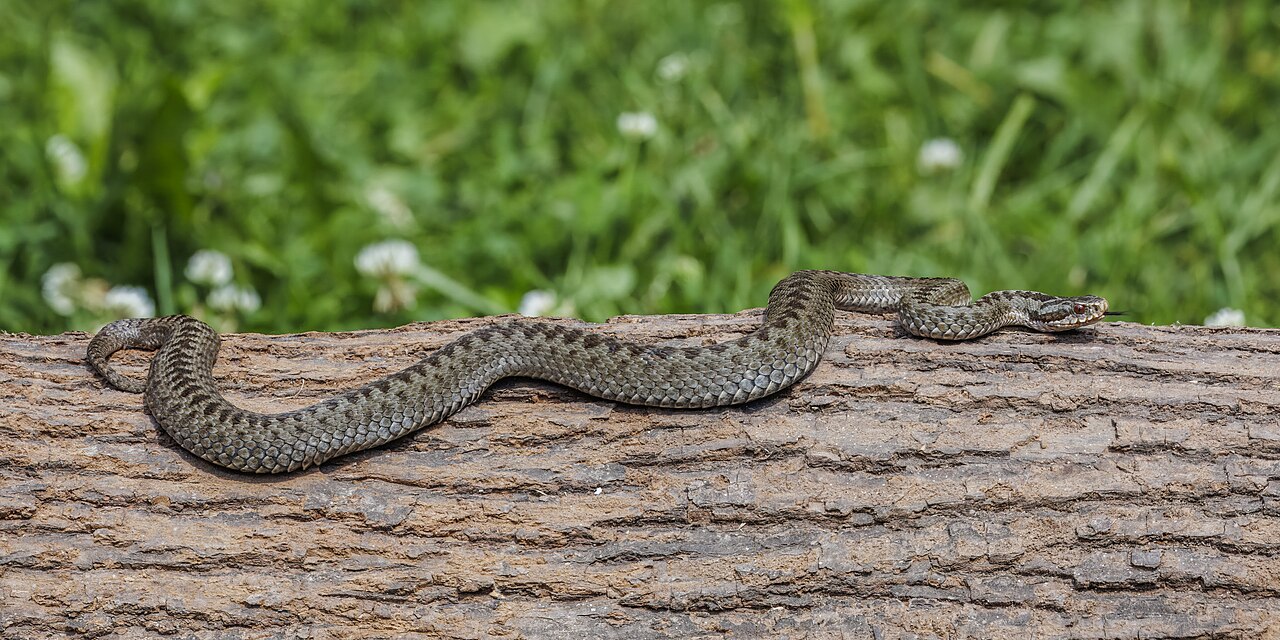
The Adder is a thick-bodied viper, often marked by a dark zigzag down the back and a distinct V or X on the head. It relies on camouflage and usually retreats, but uses venom to subdue small prey and defend itself when threatened.
Venomous SnakeZigzag PatternCold-climate Reptile
—observations
—countries
—peak records
Least ConcernConservation statusIUCN Red List categoriesLCNTVUENCREWEXLeast ConcernRed List categories, explained →
Diet & prey
- Voles
- Lizards
- Frogs
Predators
- Birds of prey
- Foxes
- Wild boar
ThreatsHabitat fragmentation, road mortality, persecution, inappropriate burning, and loss of basking cover
HabitatsHeath, moorland, woodland edge, bog margins, dunes, meadows, and rocky slopes
Life spanOften 10 to 15 years, with some individuals living longer
Size / weightNot available
Classification
- FamilyViperidae
- GenusVipera
- SpeciesVipera berus
Range data is not available yet.
Interaction riskVery high
- Low
- Moderate
- High
- Very high
- Why interaction risk is very high
- A venomous bite requires prompt medical assessment, especially for children, older adults, and pets.
- Why it is dangerous
- Venom can cause intense pain, swelling, nausea, and systemic illness, with higher risk for vulnerable people and pets.
- How to recognize a risky encounter
- A stocky body, vertical pupils, and a continuous dark dorsal zigzag are useful clues but coloration varies.
- What to do
- Never touch, trap, or corner an adder; after a bite, limit movement and obtain urgent medical care.
Responsible observation
- Distance: Remain several meters away and give the snake a clear retreat.
- Footing: Watch where you step in heather, bracken, and sunny edges.
- Emergency: After a bite, stay still and seek urgent medical help.
Help improve the field guideSomething wrong?
Checking your Fauna account…Report a name, category, or profile issue for review.