
Reptile
Common Scaly-foot
Pygopus lepidopodusAlso known as Scaly-foot, Common Flap-footed Lizard
Common scaly-feet are elongated, flap-footed lizards that navigate dense ground cover with fluid, serpentine movements. When confronted by predators, they raise the front third of their body, flatten their neck, and produce faint hissing or squeaking sounds in an elaborate mimicry of venomous elapid snakes. They possess tiny, paddle-like vestigial flaps where hind limbs once sat, which they occasionally press against the flanks or use to assist in grooming.
ReptileLegless LizardEndemic
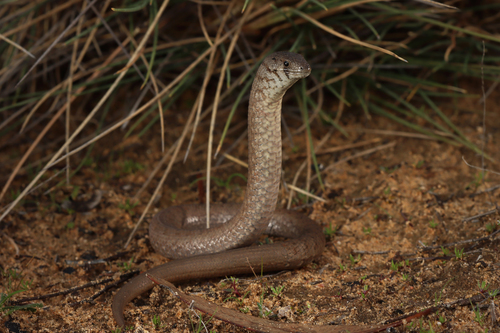
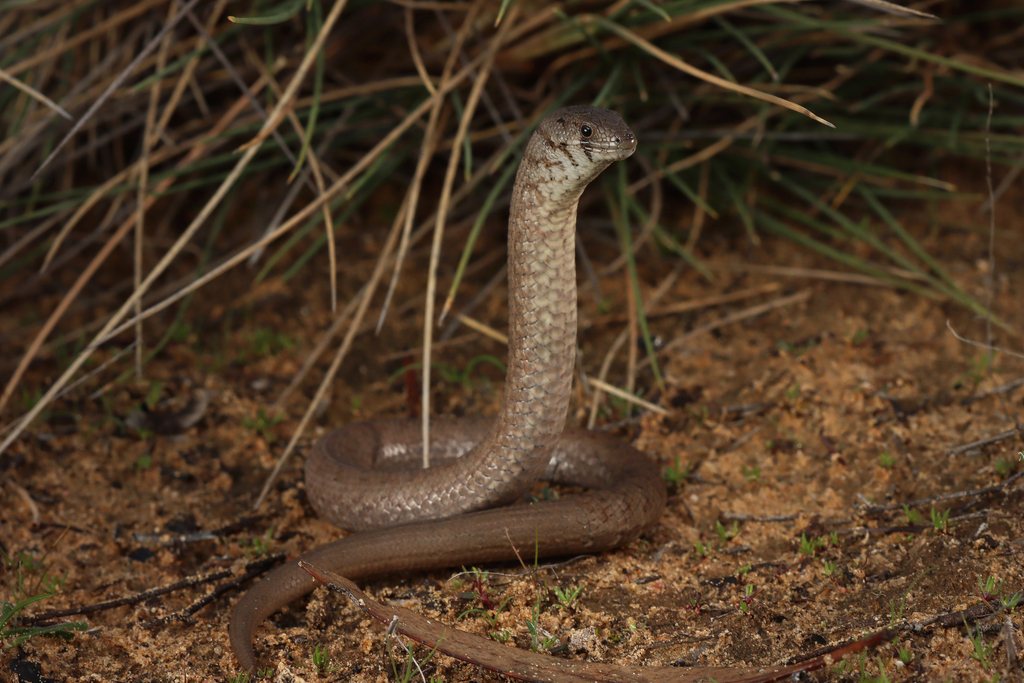
—observations
—countries
—peak records
Least ConcernConservation statusIUCN Red List categoriesLCNTVUENCREWEXLeast ConcernRed List categories, explained →
Diet & preyGround spiders, Grasshoppers, Beetles
Predators
- Birds of prey
- Elapid snakes
- Feral cats
ThreatsHabitat clearance, inappropriate fire regimes, and predation by introduced feral cats and red foxes.
HabitatsDry sclerophyll forests, open woodlands, coastal heathlands, and shrubby sandplains.
Life span10–15 years
Classification
- FamilyPygopodidae
- SpeciesPygopus lepidopodus
Range data is not available yet.
Interaction riskLow
- Low
- Moderate
- High
- Very high
- Why interaction risk is low
- Safe to observe at a normal distance.
Responsible observation
- Look near cover: Search under fallen logs, dense tussock grass, and leaf litter on warm sunny mornings.
- Check the eyes: Distinguish them from snakes by spotting their visible ear openings and fleshy broad tongues.
- Avoid handling: Lizards readily drop their tails when grabbed, expending vital fat reserves.

Predator (c) mcamcamca, some rights reserved (CC BY-SA) · cc-by-sa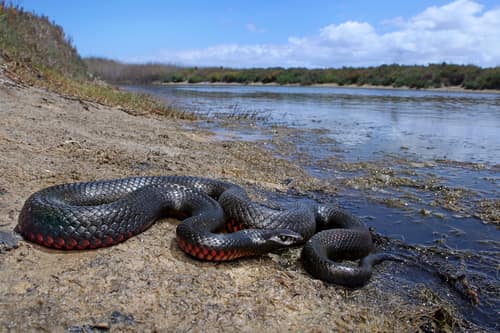
Predator no rights reserved, uploaded by Connor Margetts · cc0 Image unavailable
Close Relative Same Family
Help improve the field guideSomething wrong?
Checking your Fauna account…Report a name, category, or profile issue for review.