
Bird
Golden Whistler
Pachycephala pectoralisAlso known as Australian Golden Whistler, Thunderbird
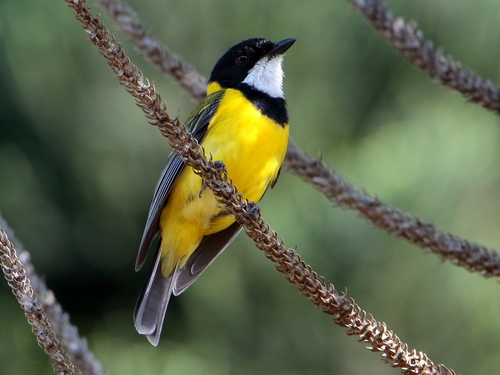
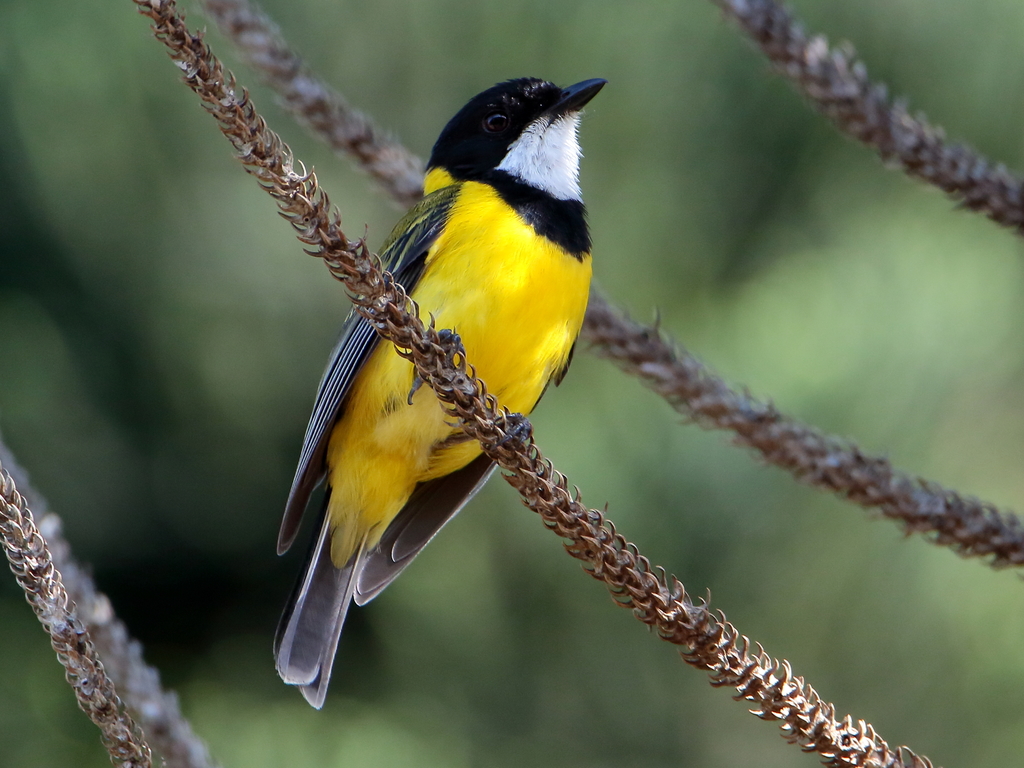
Golden Whistlers announce their presence in Australian forests with loud, ringing songs that end in a sharp, whip-like crack. Adult males sport a striking black head, crisp white throat, and brilliant yellow underparts, while females and juveniles wear subdued olive-grey plumage that blends into the canopy. Breeding pairs defend territories together, gleaning insects and spiders from leaves and twigs throughout the mid-story.
SongbirdInsectivoreWoodland
—observations
—countries
—peak records
Least ConcernConservation statusIUCN Red List categoriesLCNTVUENCREWEXLeast ConcernRed List categories, explained →
Diet & preyBeetles, Caterpillars, Spiders
Predators
- Collared Sparrowhawk
- Pied Currawong
- Feral Cat
ThreatsHabitat clearing, fragmentation, and predation by feral cats
HabitatsEucalypt forests, woodlands, rainforests, mallee, mangroves, and coastal scrub
Life span5–10 years, up to 15 years in the wild
Classification
- OrderPasseriformes
- FamilyPachycephalidae
- GenusPachycephala
- SpeciesPachycephala pectoralis
Range data is not available yet.
Interaction riskLow
- Low
- Moderate
- High
- Very high
- Why interaction risk is low
- Safe to observe at a normal distance.
Responsible observation
- Listening: Listen for loud, clear whistles ending in a sharp whip-crack, often triggered by thunder or sudden noises.
- Spotting: Scan the mid-story foliage where males flash bright yellow breasts while gleaning insects from leaves.
- Nesting Care: Keep a respectful distance from low cup nests woven from twigs and bark during spring and summer.
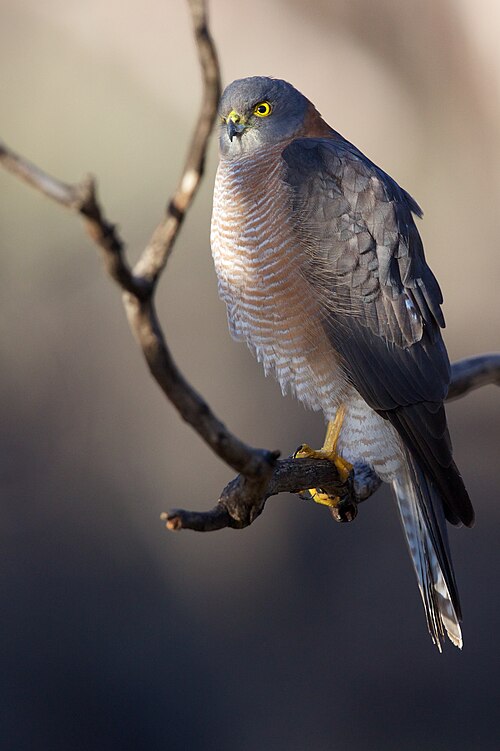
Predator sunphlo from South Australia / CC BY-SA 2.0 · cc-by-sa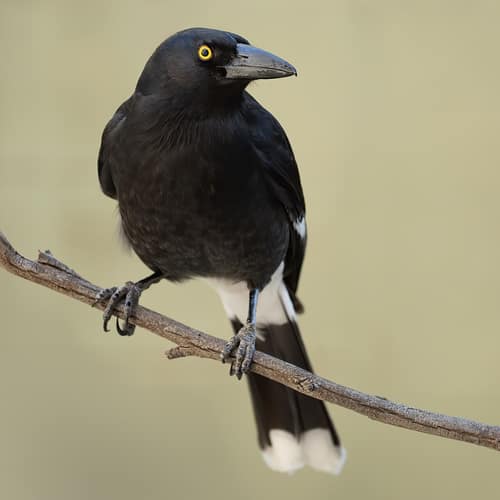
Predator JJ Harrison (https://www.jjharrison.com.au/) / CC BY-SA 4.0 · cc-by-sa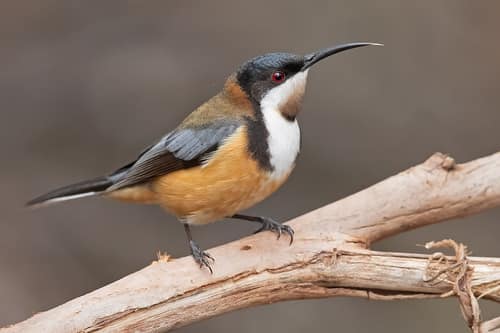
Frequent Companion JJ Harrison (https://www.jjharrison.com.au/) / CC BY-SA 4.0 · cc-by-sa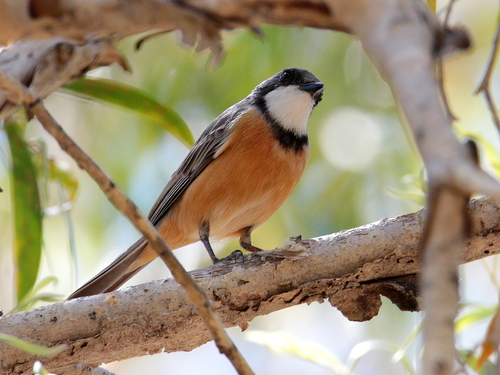
Close Relative (c) Graham Winterflood, some rights reserved (CC BY-SA), uploaded by Graham Winterflood · cc-by-sa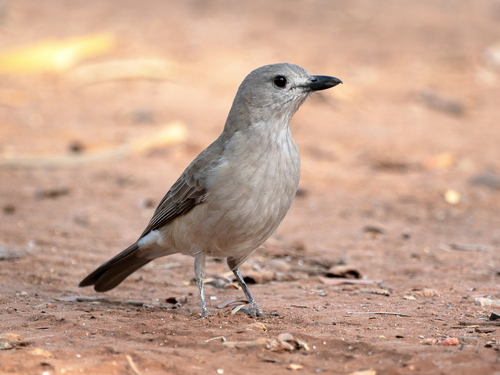
Same Family (c) Graham Winterflood, some rights reserved (CC BY-SA), uploaded by Graham Winterflood · cc-by-sa
Help improve the field guideSomething wrong?
Checking your Fauna account…Report a name, category, or profile issue for review.