
Amphibian · GBIF taxon 5936423
Eryops megacephalus
Eryops megacephalusEryops megacephalus was a robust, apex ambush predator that prowled the lowland swamps and river margins of equatorial Pangaea during the early Permian. Supported by a stout spine and thick, sprawling limbs, it could haul its heavy body onto land but remained tied to water for breeding and hunting. Its massive, flattened skull housed dozens of curved, labyrinthodont teeth designed to clamp down instantly on slippery fish and smaller tetrapods.
PrehistoricCarnivorousFossil
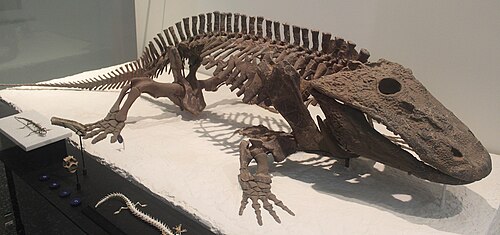
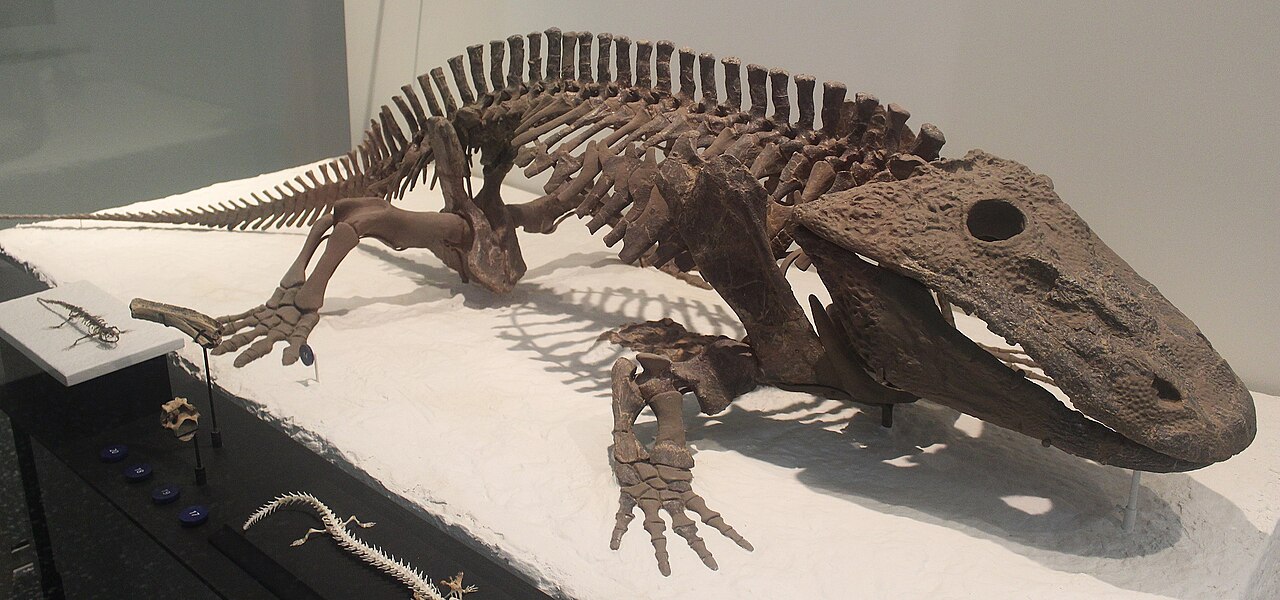
Licensed referencejonathan Chen / CC BY-SA 4.0 · cc-by-sa
—observations
—countries
—peak records
ExtinctConservation statusIUCN Red List categoriesLCNTVUENCREWEXExtinctRed List categories, explained →
Diet & prey
- Palaeoniscoid fish
- Diadectes
- Diplocaulus
Predators
- Dimetrodon limbatus
ThreatsClimate aridification and competitive displacement prior to extinction
HabitatsPermian riverbanks, floodplains, and freshwater swamps
Life spanEstimated 15–30 years
Classification
- FamilyEryopidae
- SpeciesEryops megacephalus
Range data is not available yet.
Interaction riskLow
- Low
- Moderate
- High
- Very high
- Why interaction risk is low
- Extinct prehistoric species; safe to study in fossil form.
Responsible observation
- Museum Viewing: Look for its signature sprawling limb posture in mounted skeletons.
- Fossil Examination: Note the folded labyrinthodont tooth enamel under close magnification.
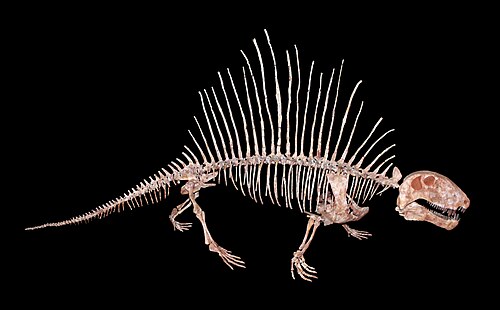
Competitor H. Zell / CC BY-SA 3.0 · cc-by-sa Image unavailable
Prey 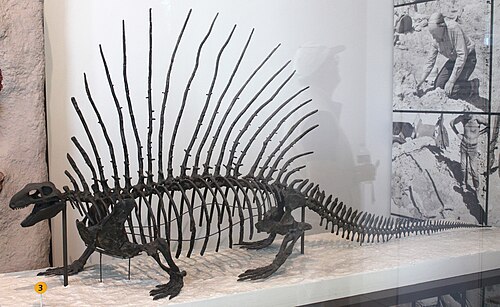
Neighbor Jonathan Chen / CC BY-SA 4.0 · cc-by-sa
Help improve the field guideSomething wrong?
Checking your Fauna account…Report a name, category, or profile issue for review.