
Mammal
Dire Wolf
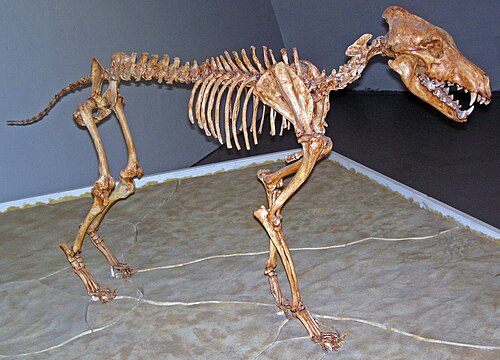
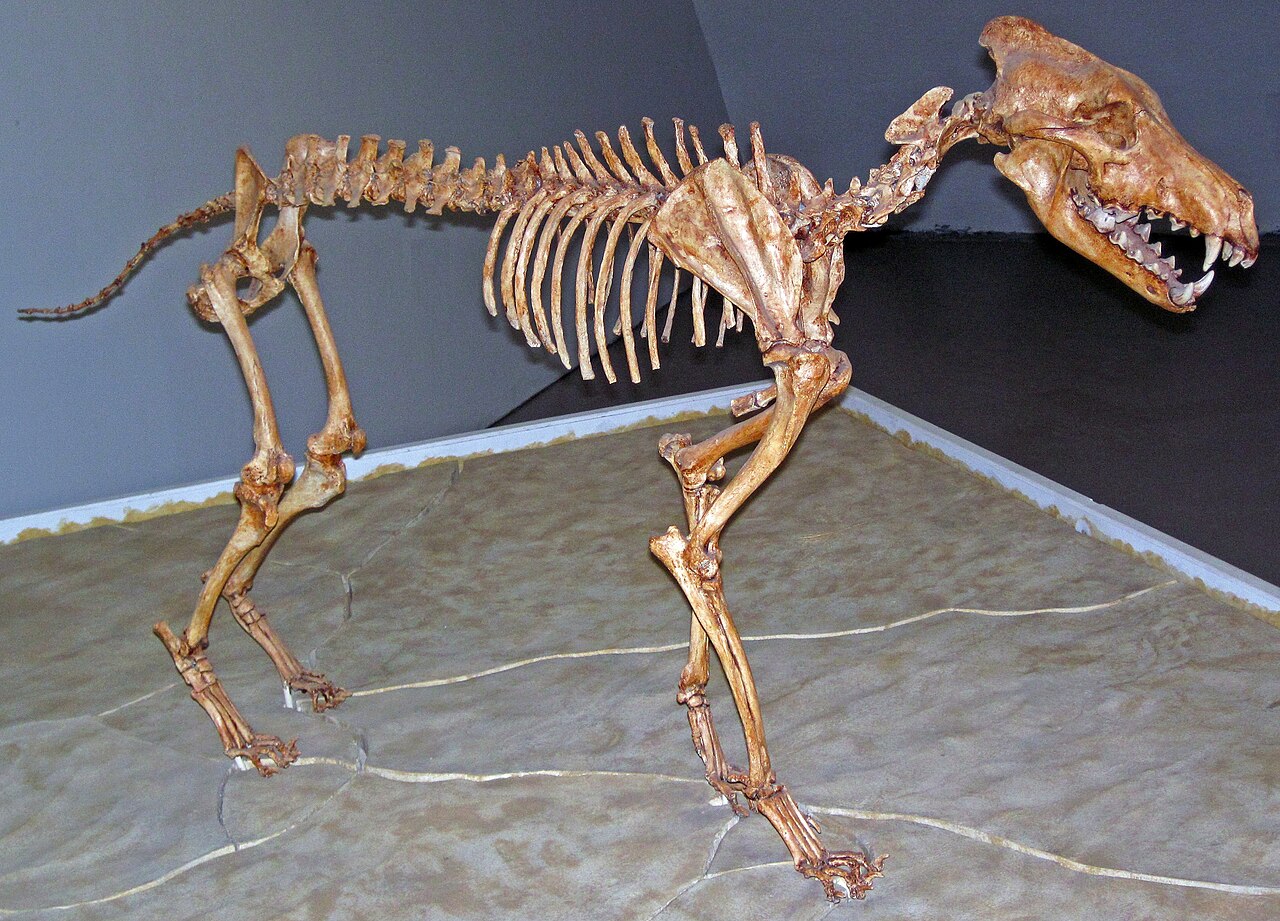
Canis dirusDire wolves were robust hypercarnivores equipped with massive jaws and specialized bone-crushing premolars capable of bringing down large Ice Age herbivores. Fossil packs preserved in asphalt seeps suggest they lived and hunted in structured social groups, much like modern wolves. Their evolutionary lineage diverged from other canines millions of years ago in the Americas, ultimately vanishing alongside their large megafaunal prey at the close of the Pleistocene.
CarnivoreIce Age
—observations
—countries
—peak records
ExtinctConservation statusIUCN Red List categoriesLCNTVUENCREWEXExtinctRed List categories, explained →
Diet & preyBison antiquus, Equus occidentalis, Camelops hesternus
Predators
- Smilodon fatalis
- Panthera atrox
- Arctodus simus
ThreatsExtinction of primary megafaunal prey and climatic shifts during the Quaternary extinction event
HabitatsGrasslands, open plains, savannahs, and light woodlands
Life spanEstimated 6–10 years in the wild
Classification
- FamilyCanidae
- SpeciesCanis dirus
Range data is not available yet.
Interaction riskModerate
- Low
- Moderate
- High
- Very high
- Why interaction risk is moderate
- Extinct species; known only from fossil deposits.
Responsible observation
- Fossil Viewing: Examine thousands of recovered skulls at the La Brea Tar Pits museum in Los Angeles.
- Bone Examination: Look for thickened jawbones and heavy tooth wear that distinguish them from grey wolves.
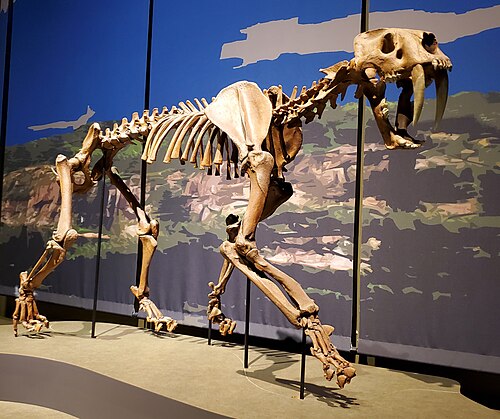
Competitor JJonahJackalope / CC BY-SA 4.0 · cc-by-sa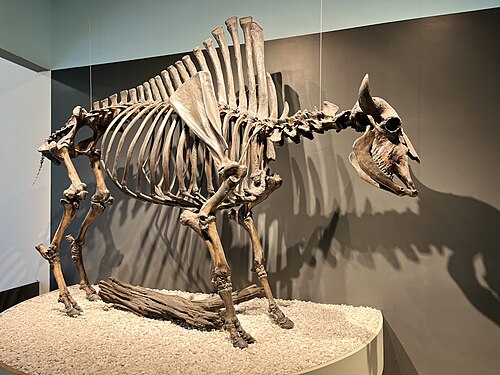
Prey Nikhil Iyengar / CC BY-SA 4.0 · cc-by-sa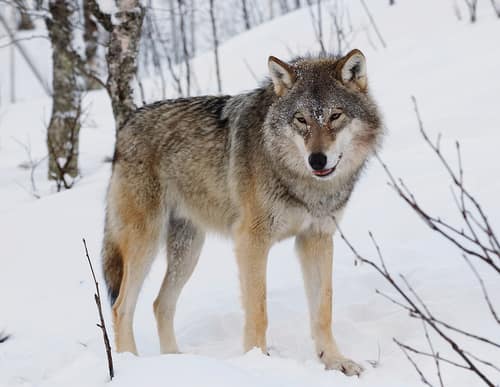
Competitor User:Mas3cf / CC BY-SA 4.0 · cc-by-sa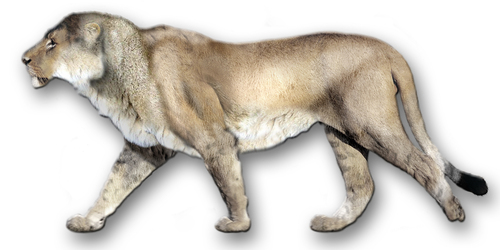
Competitor (c) Dantheman9758, some rights reserved (CC BY-SA) · cc-by-sa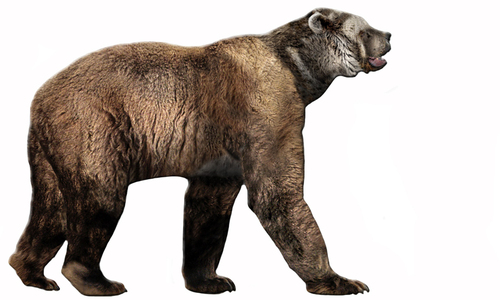
Competitor (c) Achat1999, some rights reserved (CC BY-SA) · cc-by-sa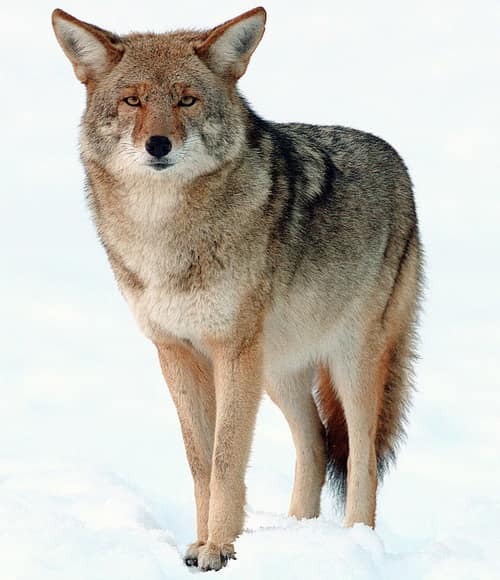
Close Relative Yathin S Krishnappa / CC BY-SA 3.0 · cc-by-sa
Help improve the field guideSomething wrong?
Checking your Fauna account…Report a name, category, or profile issue for review.