New Guinea flatworms are aggressive invertebrate predators that track land snails by following their slime trails across moist leaf litter. Once prey is overtaken, the worm extends a muscular pharynx from the middle of its underside to dissolve and ingest soft tissues alive. Widely introduced as a biological control agent for invasive agricultural pests, they have since driven dozens of endemic island snail species toward extinction.
Not EvaluatedConservation statusIUCN Red List categoriesLCNTVUENCREWEXNot Evaluated — not placed on the risk ladderRed List categories, explained →
Key facts
Diet & preyLand Snails, Slugs, Earthworms
Predators
Domestic Fowl
Wild Boar
Ground Beetles
ThreatsEradication campaigns and habitat loss in native New Guinea
HabitatsTropical rainforests, humid gardens, leaf litter, and disturbed soils
Life span1–2 years
Classification
OrderTricladida
FamilyGeoplanidae
GenusPlatydemus
SpeciesPlatydemus manokwari
Range & activity
Range data is not available yet.
Safe observation
Interaction riskModerate
Low
Moderate
High
Very high
Why interaction risk is moderate
Can harbor the rat lungworm parasite; do not touch with bare skin and wash thoroughly if exposed.
Why it is dangerous
Acts as an intermediate host for Angiostrongylus cantonensis (rat lungworm), a parasitic nematode that causes eosinophilic meningitis, brain damage, and nerve dysfunction in humans.
How to recognize a risky encounter
Dark brownish-black flattened ribbon with a pale median line running down the back and a pale cream underside with two tiny front eyes.
What to do
Never pick up with bare hands; if removal is necessary, use tweezers or thick gloves and submerge in hot water to neutralize safely.
Responsible observation
Avoid Bare Handling: Wear disposable gloves or use tongs if collecting specimens to prevent parasite exposure.
Report Observations: Document and report sightings to local biosecurity or invasive species hotlines.
Quarantine Nursery Soil: Inspect potted plant soil and garden mulch before transporting vegetation.

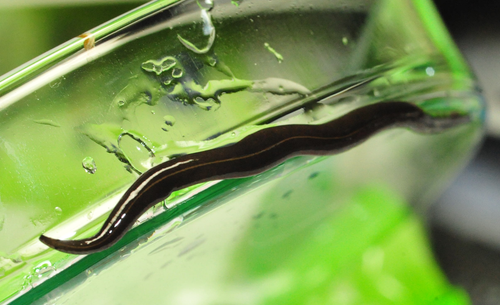
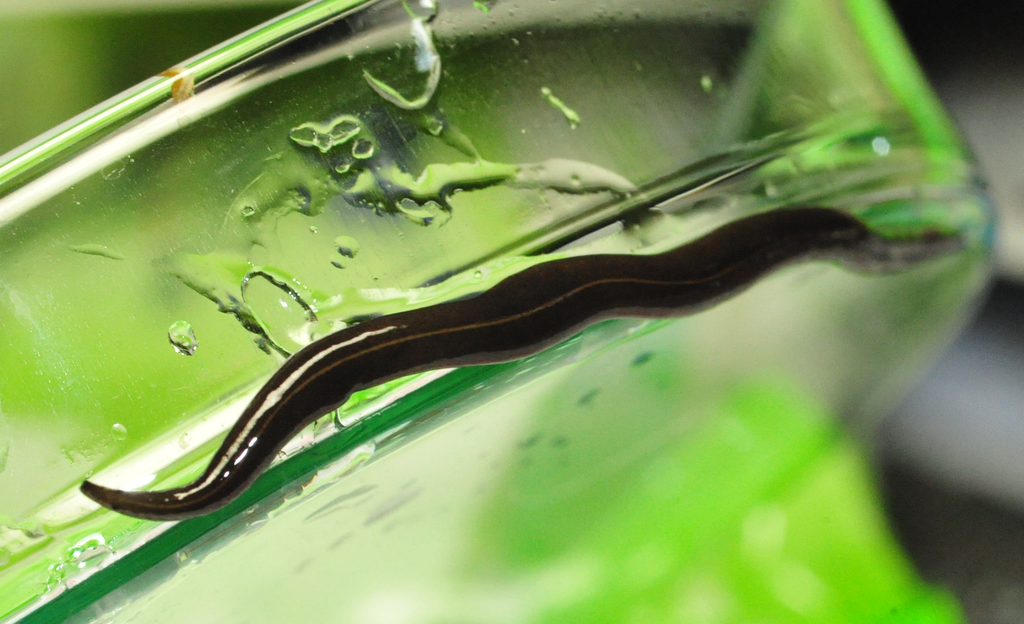
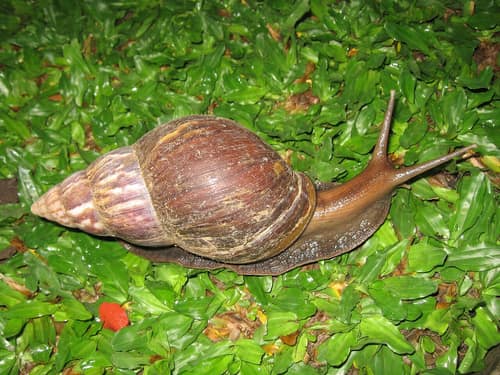
 Image unavailable