Fauna
Invertebrate

Girardia tigrina

Girardia tigrina

Also known as Brown Planarian, Immigrant Triclad Flatworm, Tiger Flatworm

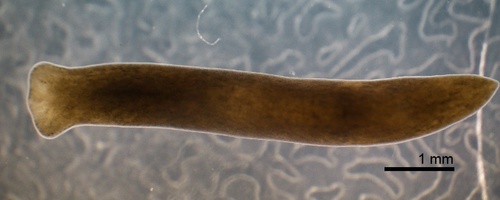
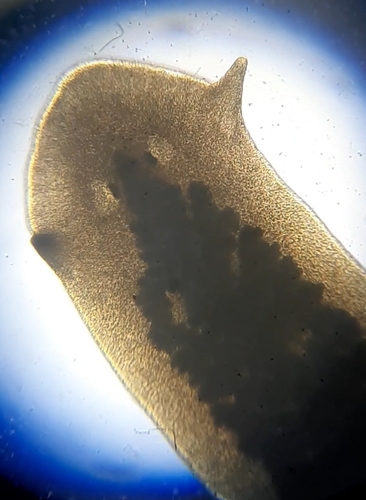
Gliding silently across submerged rocks on microscopic cilia, the brown planarian navigates freshwater currents using chemical receptors in its triangular head. Famous among biologists for its extraordinary regenerative powers, a severed piece containing only a fraction of its body can regrow an entirely functional new worm in just days. As an adaptable carnivore and scavenger, it preys on tiny invertebrates by extending a muscular pharynx from the underside of its midbody.

FreshwaterAquaticCarnivorous
—observations
—countries
—peak records
Not EvaluatedConservation statusIUCN Red List categoriesLCNTVUENCREWEXNot Evaluated — not placed on the risk ladderRed List categories, explained →
Diet & preyWater Flea, Aquatic Oligochaete, Chironomid Larva
Predators
  • Dragonfly Nymph
  • Small Freshwater Fish
  • Diving Beetle
ThreatsSevere water pollution, excessive siltation, and aquatic habitat desiccation
HabitatsSlow-moving rivers, streams, ponds, and freshwater lakes with abundant submerged stones or vegetation
Life spanSeveral months to potentially indefinite through asexual fission and regeneration
  1. OrderTricladida
  2. FamilyDugesiidae
  3. GenusGirardia
  4. SpeciesGirardia tigrina
Range data is not available yet.
Interaction riskLow
  1. Low
  2. Moderate
  3. High
  4. Very high
Why interaction risk is low
Safe to observe at a normal distance.
Responsible observation
  • Rock Turning: Carefully flip submerged stones in clean streams and inspect the shaded underside for gliding worms.
  • Gentle Handling: Observe them in water with a hand lens rather than lifting them out of their aquatic environment.
Help improve the field guideSomething wrong?

Report a name, category, or profile issue for review.

Checking your Fauna account…