
Invertebrate
Pseudoceros bicolor
Pseudoceros bicolorAlso known as Two-colored Flatworm, Bicolor Flatworm
Gliding across coral reef surfaces on a layer of secreted mucus, this vibrant marine flatworm navigates complex benthic habitats with the aid of folded sensory tentacles on its head. When disturbed or relocating between patch reefs, it propels itself into the open water column with mesmerizing, rhythmic undulations of its ruffled body margins. Like many polyclad flatworms, it is a simultaneous hermaphrodite that engages in elaborate mating rituals before depositing flat egg clusters onto hard substrate.
MarineReef DwellerCarnivorous
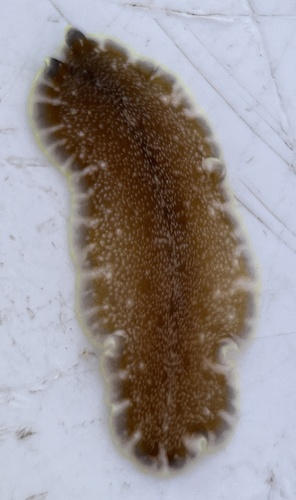
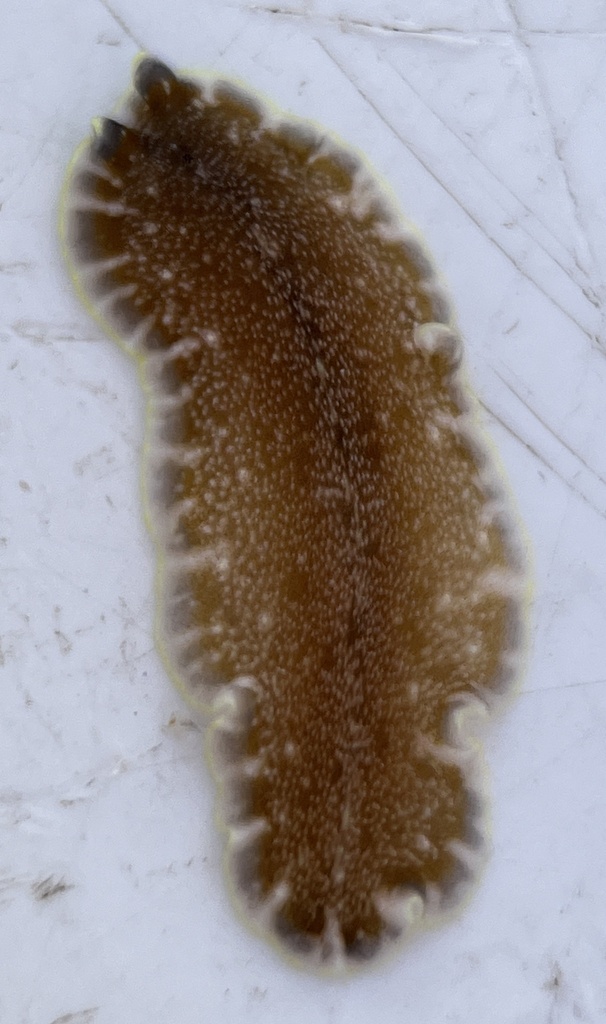
—observations
—countries
—peak records
Not EvaluatedConservation statusIUCN Red List categoriesLCNTVUENCREWEXNot Evaluated — not placed on the risk ladderRed List categories, explained →
Diet & preyColonial ascidians, Sea squirts, Encrusting bryozoans
Predators
- Wrasses
- Mantis shrimps
- Reef crabs
ThreatsCoral reef degradation, warming ocean temperatures, and siltation
HabitatsTropical coral reefs, rocky reef flats, and shallow lagoons
Life spanSeveral months to 1 year
Classification
- FamilyPseudocerotidae
- SpeciesPseudoceros bicolor
Range data is not available yet.
Interaction riskLow
- Low
- Moderate
- High
- Very high
- Why interaction risk is low
- Safe to observe at a normal distance.
Responsible observation
- Observation: Watch under overhangs, crevices, and dead coral slabs where flatworms seek shelter during bright daylight.
- Handling: Avoid touching or disturbing the animal, as flatworms possess delicate bodies that tear easily.
 Image unavailable
Same Genus 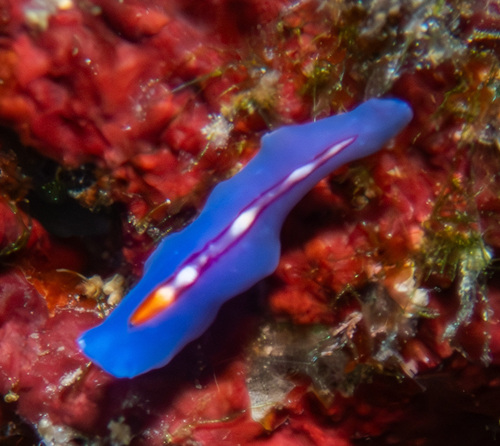
Same Genus (c) portioid, some rights reserved (CC BY), uploaded by portioid · cc-by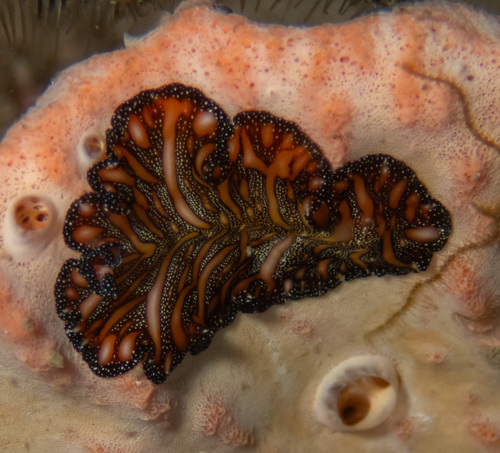
Same Family (c) portioid, some rights reserved (CC BY) · cc-by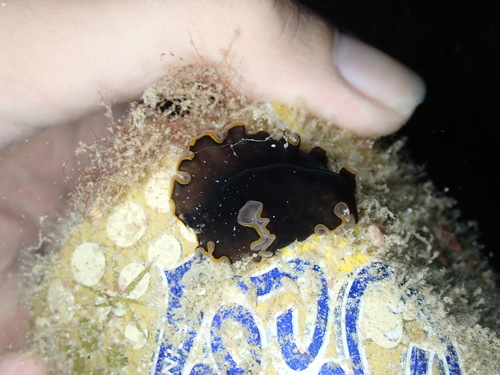
Same Family (c) Daniel Eisenhauer, some rights reserved (CC BY) · cc-by
Help improve the field guideSomething wrong?
Checking your Fauna account…Report a name, category, or profile issue for review.