
Insect
Oriental Beetle
Exomala orientalisAlso known as Asiatic Beetle
Native to East Asia and widely introduced elsewhere, the Oriental beetle spends most of its life hidden underground feeding on the root systems of turfgrass and nursery crops. Adults emerge in midsummer to mate primarily during dusk and evening, staying low to the ground rather than flying high into trees. Their mottled black-and-straw coloration varies widely between individuals, with some adults appearing entirely dark while others display intricate calico patterns.
BeetleNocturnalInvasive
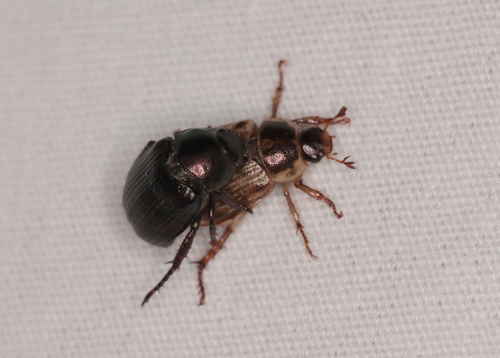
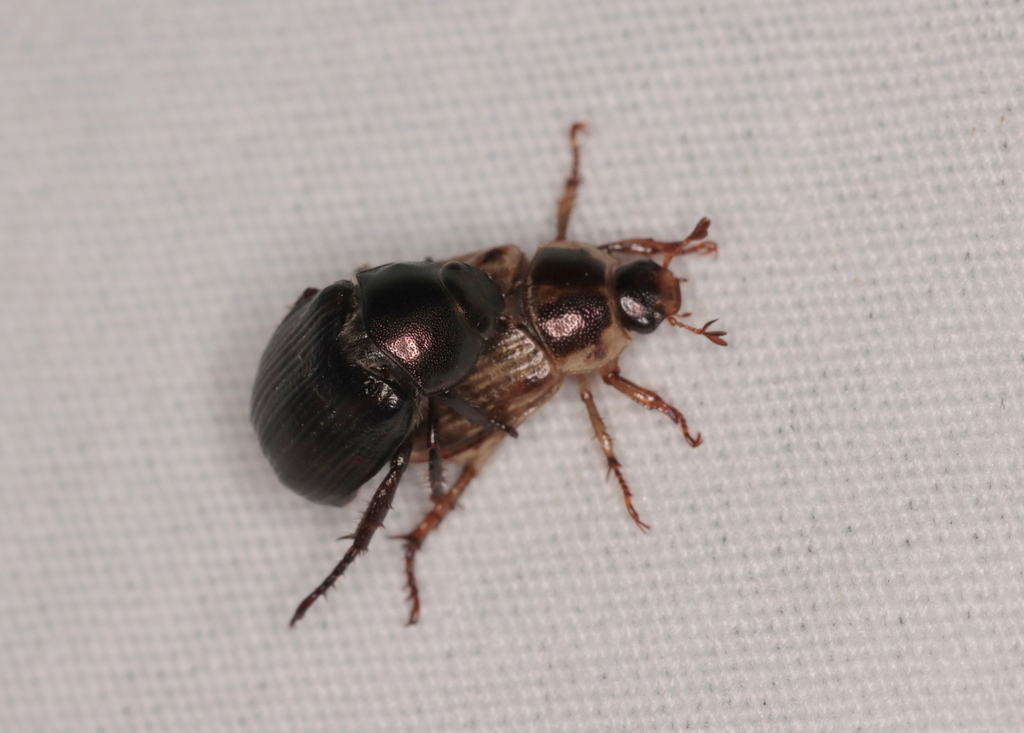
—observations
—countries
—peak records
Not EvaluatedConservation statusIUCN Red List categoriesLCNTVUENCREWEXNot Evaluated — not placed on the risk ladderRed List categories, explained →
Diet & preyTurfgrass Roots, Flower Petals, Soft Fruits
Predators
- European Starling
- Eastern Mole
- Tiphia Wasp
ThreatsInsecticides, soil pathogens, entomo-pathogenic nematodes, and parasitic wasps
HabitatsTurf lawns, golf courses, pastures, nurseries, and cultivated gardens
Life span1 year
Classification
- OrderColeoptera
- FamilyScarabaeidae
- GenusExomala
- SpeciesExomala orientalis
Range data is not available yet.
Interaction riskLow
- Low
- Moderate
- High
- Very high
- Why interaction risk is low
- Safe to observe at a normal distance.
Responsible observation
- Evening Searches: Inspect low shrubs, roses, and turf on warm July evenings when adults actively fly.
- Larval Scouting: Check beneath dead patches of turf in late spring to spot the curled white grubs.
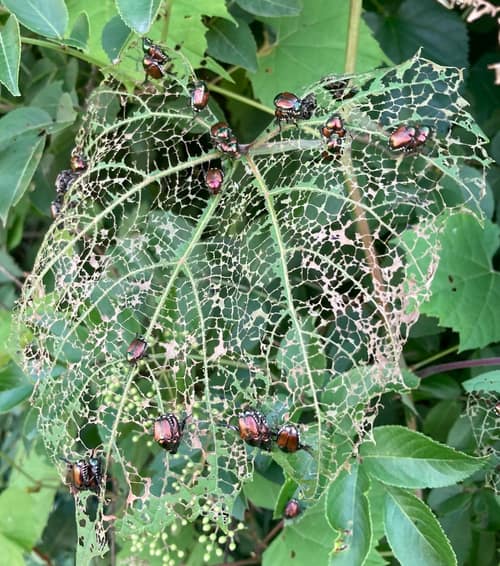
Competitor no rights reserved, uploaded by bgirardot · cc0 Image unavailable
Competitor 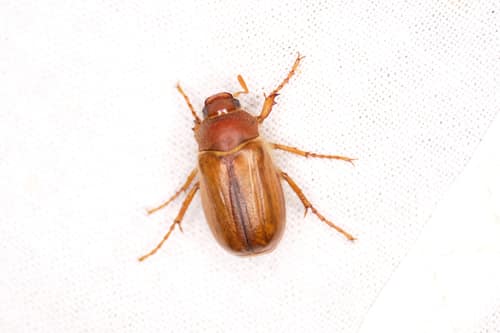
Competitor (c) Chris Ratzlaff, some rights reserved (CC BY), uploaded by Chris Ratzlaff · cc-by
Help improve the field guideSomething wrong?
Checking your Fauna account…Report a name, category, or profile issue for review.