
Invertebrate
Tunneling Mud Crab
Austrohelice crassaTunneling mud crabs are abundant intertidal burrowers endemic to New Zealand estuaries, mudflats, and salt marshes. They excavate deep, branching tunnels into firm mud and sand, aerating the sediment and retreating underground when the tide rises or predators approach. At low tide, crabs emerge onto the surface to sift organic detritus from the mud and defend their burrow entrances with raised claws.
BurrowingIntertidalEndemic
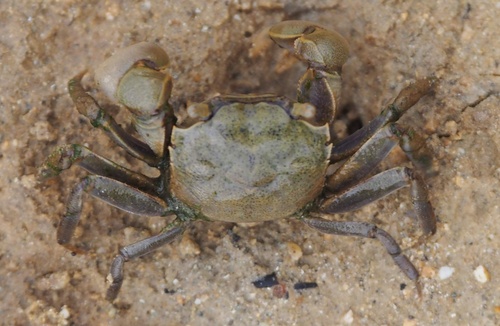
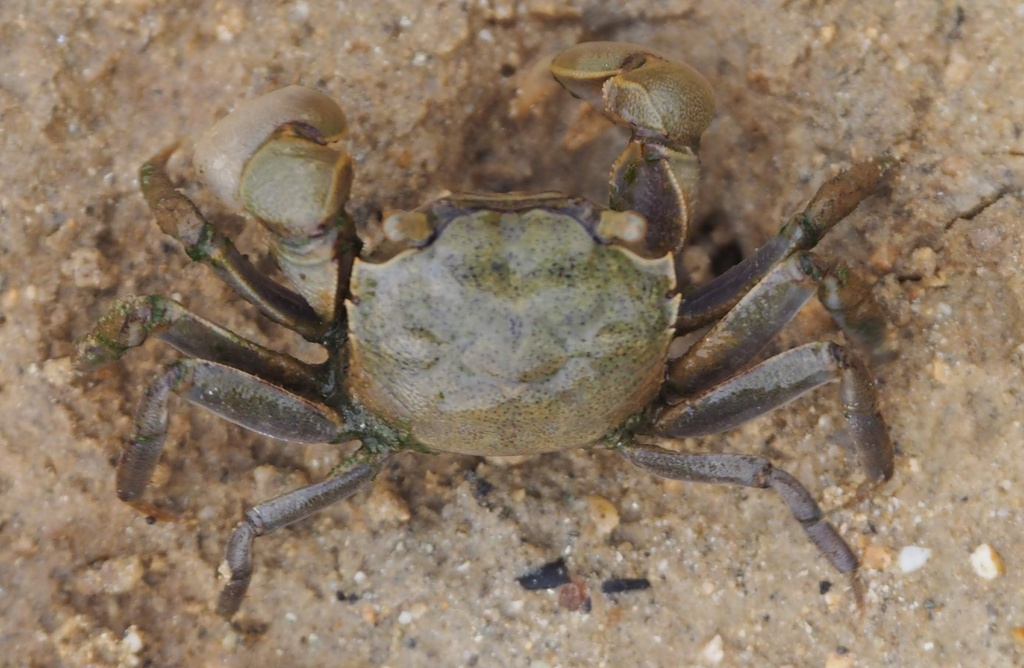
—observations
—countries
—peak records
Not EvaluatedConservation statusIUCN Red List categoriesLCNTVUENCREWEXNot Evaluated — not placed on the risk ladderRed List categories, explained →
Diet & preyOrganic detritus, Benthic microalgae, Small polychaete worms
Predators
- Shorebirds
- Eels
- Estuarine fish
ThreatsCoastal reclamation, estuarine sedimentation, water pollution, and habitat degradation
HabitatsEstuaries, intertidal mudflats, mangrove fringes, and salt marshes across New Zealand
Life span2 to 4 years
Classification
- FamilyVarunidae
- SpeciesAustrohelice crassa
Range data is not available yet.
Interaction riskLow
- Low
- Moderate
- High
- Very high
- Why interaction risk is low
- Safe to observe at a normal distance; avoid handling to prevent minor pinches.
Responsible observation
- Timing: Visit estuaries at low tide when crabs emerge onto the mud surface to feed.
- Approach: Move slowly and stay still near burrows, as vibrations send crabs retreating underground.
- Habitat Care: Watch your step on soft mudflats to avoid collapsing active burrow networks.
 Image unavailable
Competitor 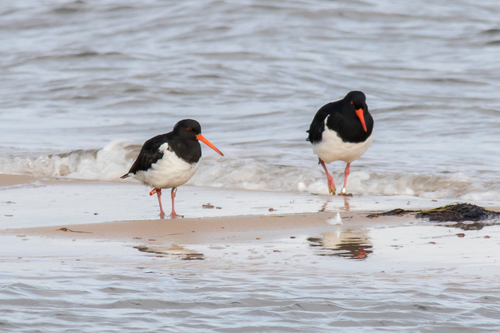
Predator (c) Andrew Allen, some rights reserved (CC BY), uploaded by Andrew Allen · cc-by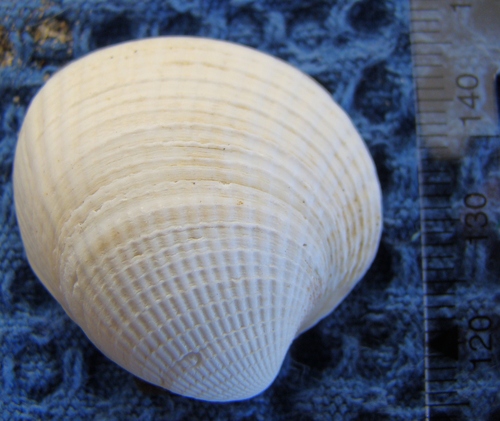
Neighbor (c) Lisa Bennett, some rights reserved (CC BY), uploaded by Lisa Bennett · cc-byPredator Same Family
Help improve the field guideSomething wrong?
Checking your Fauna account…Report a name, category, or profile issue for review.