
Invertebrate
Pinnoctopus Macropus
Callistoctopus macropusAlso known as Atlantic White-spotted Octopus, White-spotted Octopus, Grass Octopus, Grass Scuttle
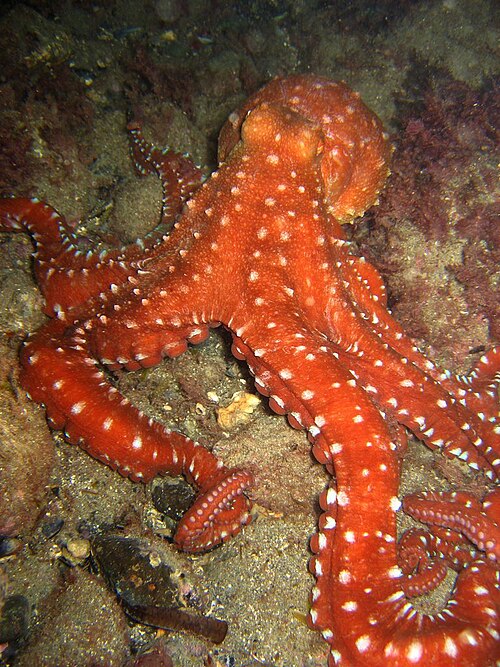
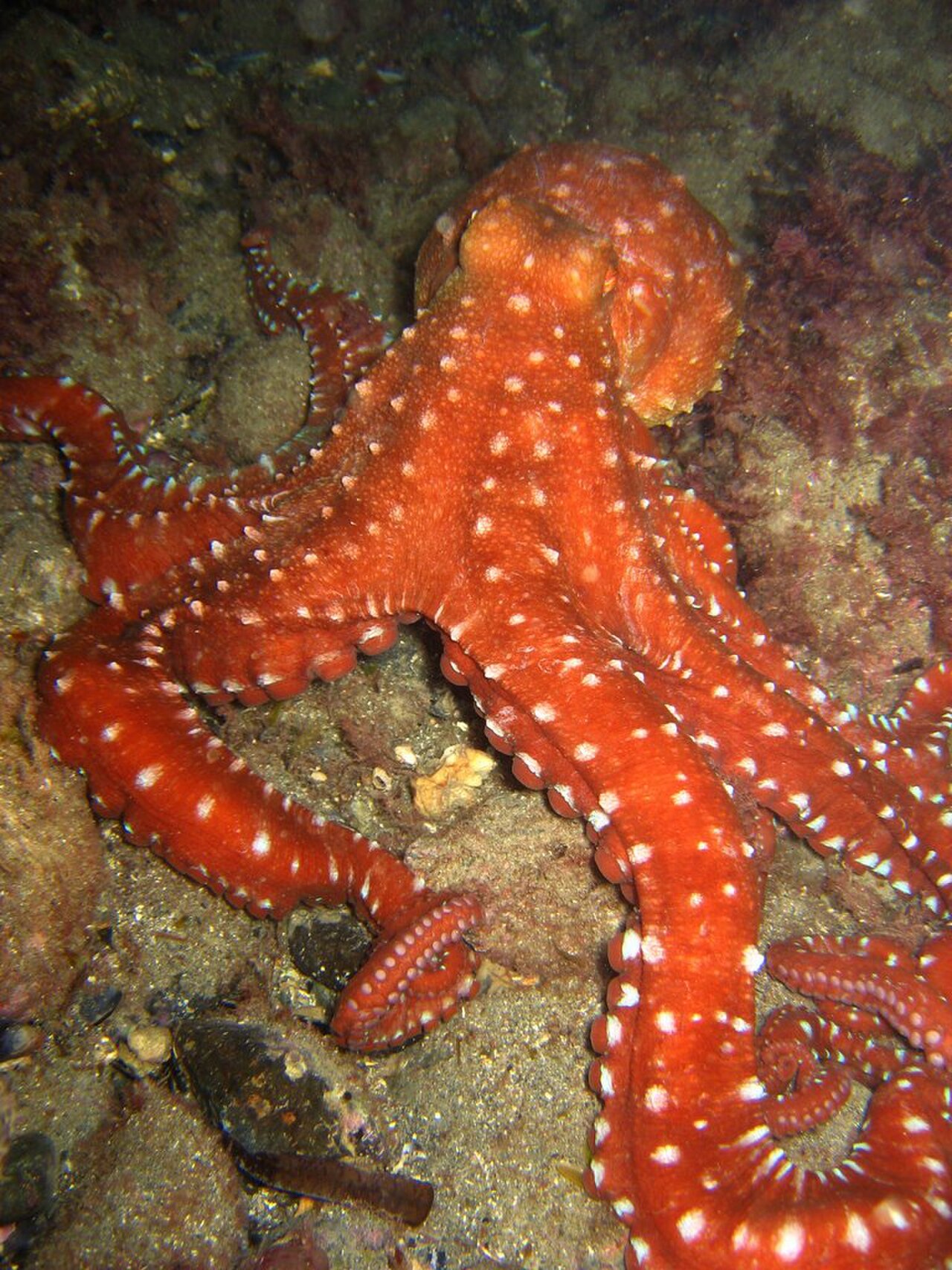
Sporting a vibrant brick-red body dotted with fluorescent white spots, this nocturnal hunter emerges after dusk to stalk crabs and small fish across coral reefs and seagrass meadows. Its exceptionally long first pair of dorsal arms allows it to probe deeply into narrow crevices and coral heads where prey conceals itself. By day, it retreats into well-hidden rocky dens, often sealing the entrance with collected shells and pebbles to evade predators.
NocturnalMarineBenthic
—observations
—countries
—peak records
Least ConcernConservation statusIUCN Red List categoriesLCNTVUENCREWEXLeast ConcernRed List categories, explained →
Diet & preyCrabs, Small reef fish, Bivalves
Predators
- Moray eels
- Grouper
- Reef sharks
ThreatsHabitat destruction, ocean warming, and accidental fisheries bycatch
HabitatsCoral reefs, seagrass beds, and rocky rubble shallows
Life span1–2 years
Classification
- FamilyOctopodidae
- SpeciesCallistoctopus macropus
Range data is not available yet.
Interaction riskLow
- Low
- Moderate
- High
- Very high
- Why interaction risk is low
- Safe to observe at a normal distance while diving or snorkeling.
Responsible observation
- Night Diving: Use a diffused or red dive torch after dark to view natural hunting behavior without startling them.
- Den Spotting: Look for telltale middens of cracked crab and bivalve shells clustered outside narrow rocky crevices.
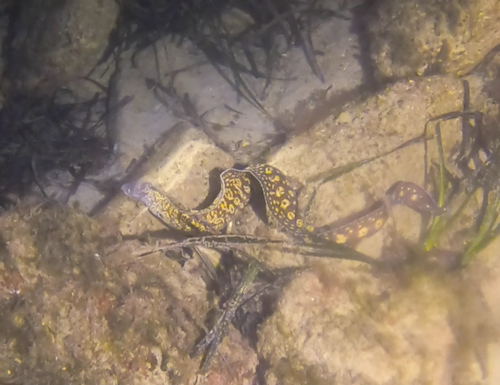
Predator (c) Jack Byrley, some rights reserved (CC BY) · cc-by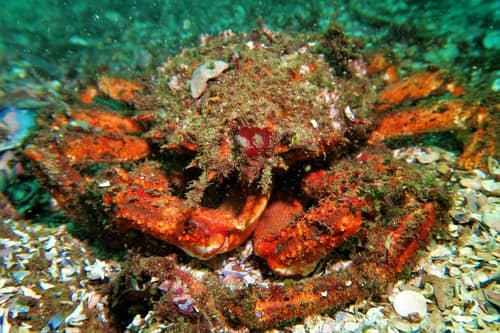
Prey (c) BuceoPortosub, some rights reserved (CC BY-SA) · cc-by-sa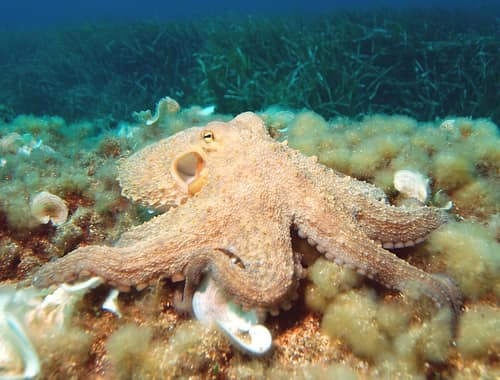
Same Family albert kok / CC BY-SA 3.0 · cc-by-sa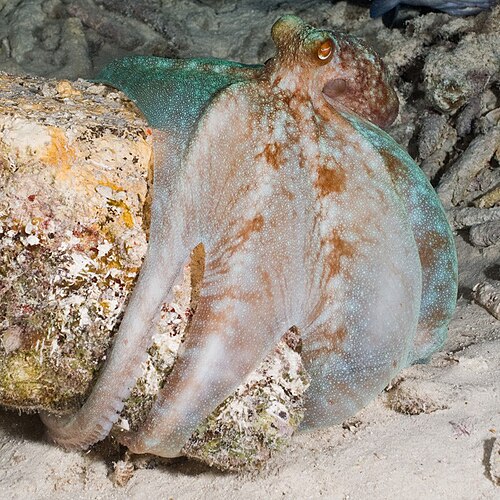
Same Family Alessandro Dona - I created this work entirely by myself. / CC BY-SA 3.0 · cc-by-sa
Help improve the field guideSomething wrong?
Checking your Fauna account…Report a name, category, or profile issue for review.