
Invertebrate
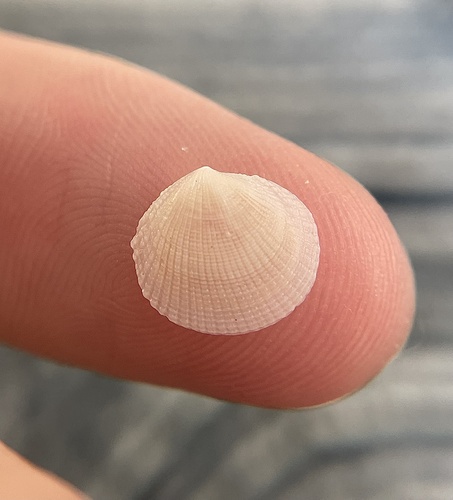
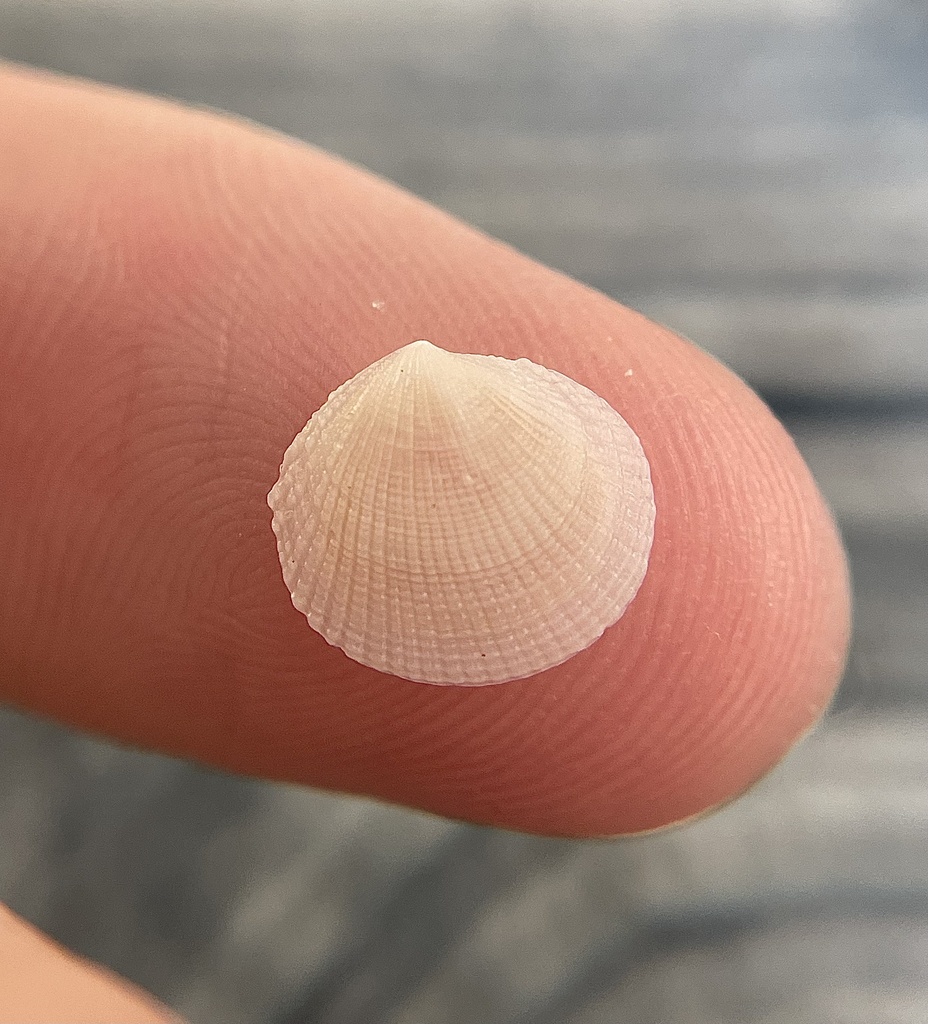
Dwarf Tiger Lucine
Ctena orbiculataAlso known as Little White Lucine, Rounded Lucina
Dwarf tiger lucines bury themselves beneath shallow tropical sand flats and lush seagrass meadows, relying on specialized gills that house sulfide-oxidizing bacteria. By drawing sulfide from buried organic sediments and combining it with dissolved oxygen from the water column, they produce their own sustenance through chemosymbiosis. Their finely cancellate, rounded white valves often wash ashore along sheltered beaches, marking vibrant sublittoral ecosystems.
MarineBivalveSeagrass Dweller
—observations
—countries
—peak records
Not EvaluatedConservation statusIUCN Red List categoriesLCNTVUENCREWEXNot Evaluated — not placed on the risk ladderRed List categories, explained →
Diet & preyChemosynthetic bacteria, Bacterioplankton, Phytoplankton
Predators
- Moon snails
- Blue crabs
- Bottom-feeding rays
ThreatsSeagrass habitat loss, coastal dredging, siltation
HabitatsSeagrass beds, sandy reef flats, coastal lagoons
Life span2–5 years
Classification
- FamilyLucinidae
- SpeciesCtena orbiculata
Range data is not available yet.
Interaction riskLow
- Low
- Moderate
- High
- Very high
- Why interaction risk is low
- Safe to observe at a normal distance.
Responsible observation
- Beachcombing: Look for small, circular, chalky-white shells with crisscross ridges along high-tide drift lines.
- Seagrass Etiquette: Avoid disturbing root networks when exploring shallow flats where living bivalves burrow.
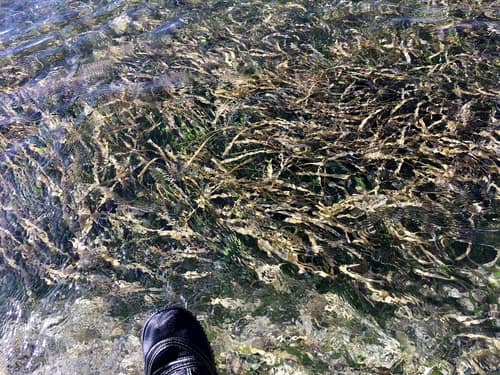
Frequent Companion no rights reserved · cc0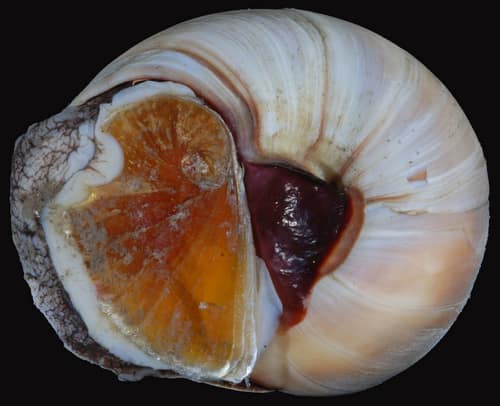
Predator (c) Smithsonian Environmental Research Center, some rights reserved (CC BY) · cc-by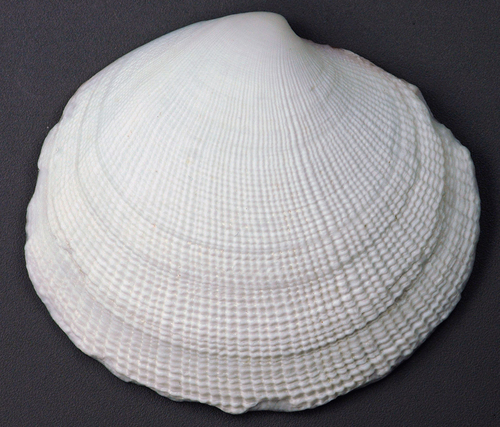
Same Family (c) James St. John, some rights reserved (CC BY) · cc-by
Help improve the field guideSomething wrong?
Checking your Fauna account…Report a name, category, or profile issue for review.