
Plant
Pearl Millet
Cenchrus americanusAlso known as Bulrush Millet, Cattail Millet, Spiked Millet, Bajra
Domesticated thousands of years ago in the West African Sahel, pearl millet thrives in nutrient-poor, sandy soils where other major cereals fail. Its dense, cylinder-shaped seed heads resemble cattails and produce thousands of energy-rich grains packed with protein and minerals. Utilizing efficient C4 photosynthesis, the tall grass rapidly matures under extreme heat and low rainfall, sustaining communities across semi-arid regions of Africa and Asia.
Cereal CropDrought TolerantAnnual Grass
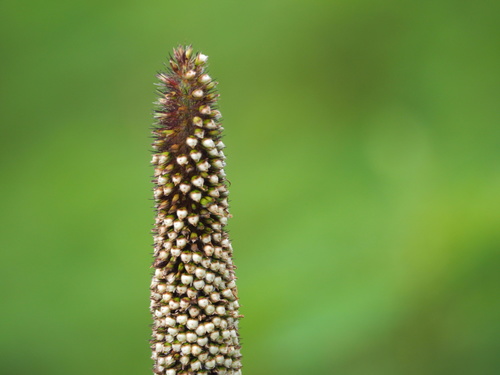
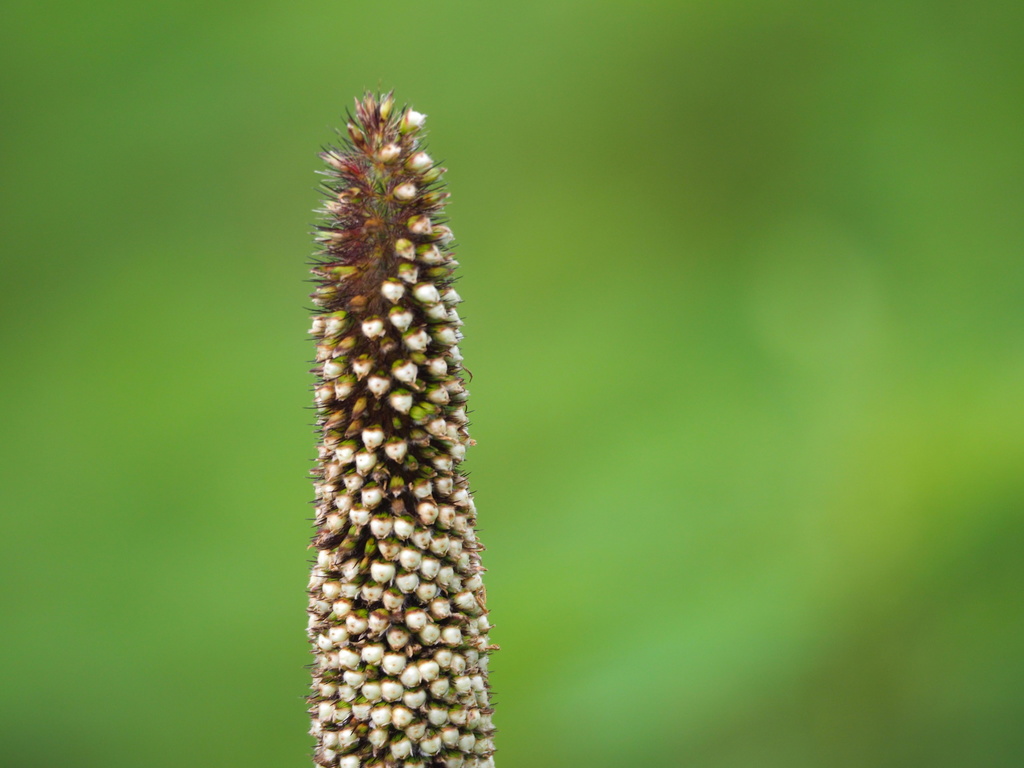
—observations
—countries
—peak records
Least ConcernConservation statusIUCN Red List categoriesLCNTVUENCREWEXLeast ConcernRed List categories, explained →
Diet & preyAutotrophic (Photosynthesis)
Predators
- Quelea birds
- Locusts
- Grazing livestock
ThreatsFungal blast, witchweed infestation, severe prolonged drought
HabitatsArid scrublands, savannas, agricultural fields
Life span1 year (Annual)
Classification
- OrderPoales
- FamilyPoaceae
- GenusCenchrus
- SpeciesCenchrus americanus
Range data is not available yet.
Interaction riskLow
- Low
- Moderate
- High
- Very high
- Why interaction risk is low
- Safe to observe at a normal distance.
Responsible observation
- Observation: Look for dense, cylindrical flower spikes that mature into tightly packed seed heads.
- Habitat: Best viewed in agricultural fields, dryland farming plots, and botanical collections.
- Identification: Note the thick, erect stems and prominent hairy ligules at the leaf bases.
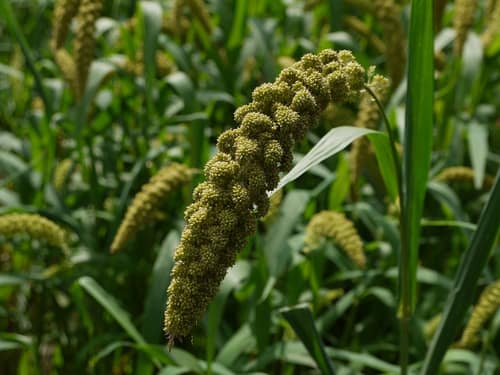
Related Crop STRONGlk7 / CC BY-SA 3.0 · cc-by-sa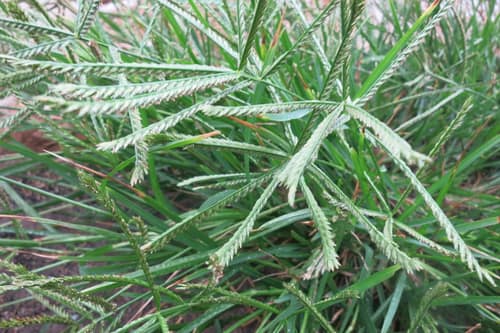
Related Crop (c) Nanna Joubert, some rights reserved (CC BY-SA) · cc-by-sa
Ecological Competitor (c) L.J. Lamera, some rights reserved (CC BY), uploaded by L.J. Lamera · cc-by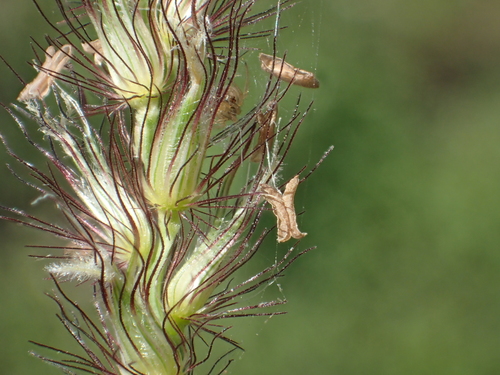
Close Relative no rights reserved, uploaded by 葉子 · cc0
Help improve the field guideSomething wrong?
Checking your Fauna account…Report a name, category, or profile issue for review.