
Species
Pterodactylus antiquus
Pterodactylus antiquusAlso known as Pterodactyl
Pterodactylus antiquus sailed over warm coastal lagoons in what is now modern Germany during the Late Jurassic period, skimming the shallows for small fish and invertebrates. Adults possessed straight, slender jaws lined with dozens of sharp conical teeth along with a soft-tissue crest extending behind the skull. As the first flying reptile ever recognized by science, its exceptionally preserved fossils transformed the modern understanding of vertebrate flight.
FossilCarnivore
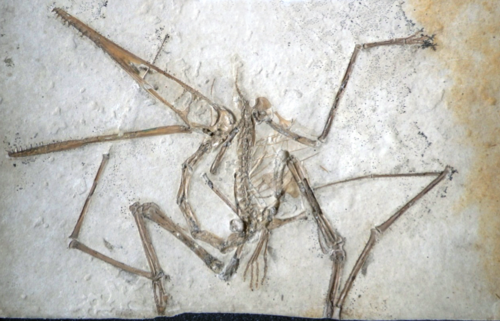
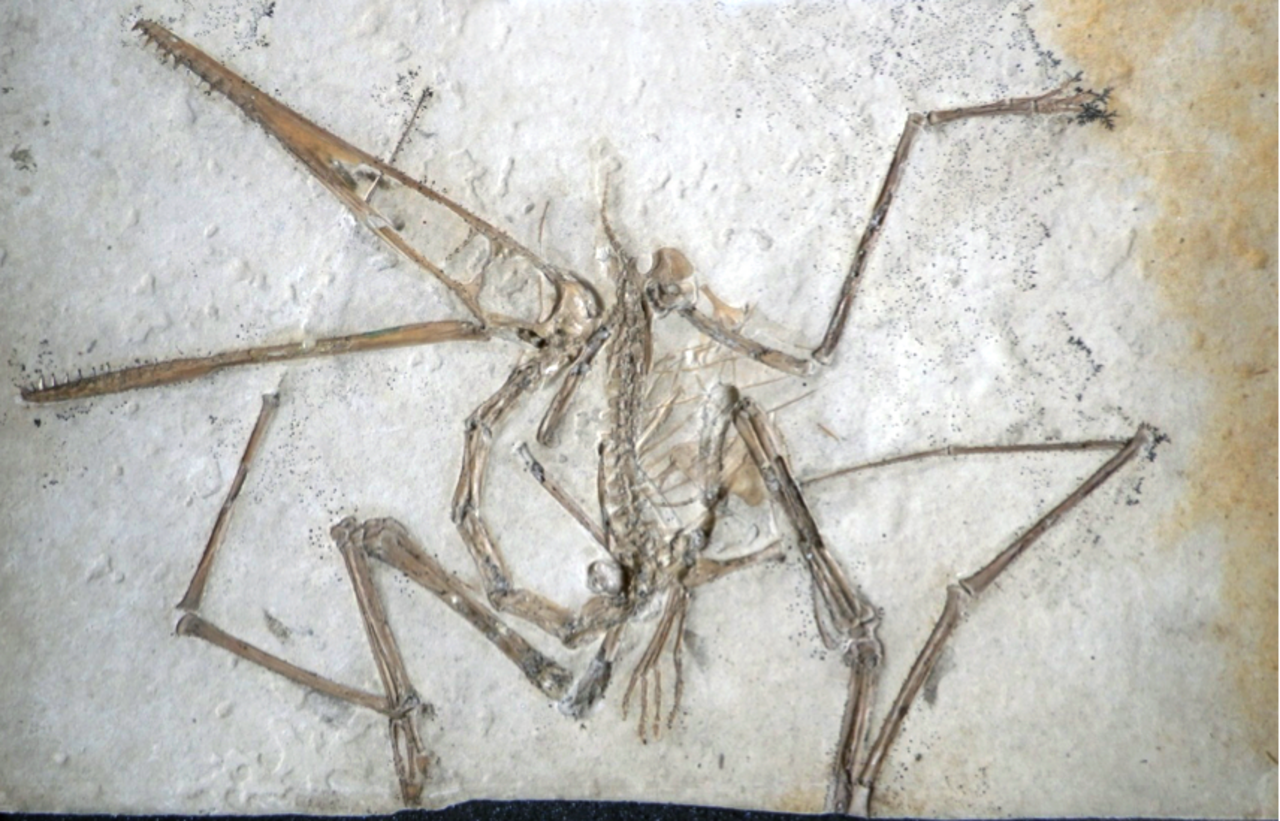
—observations
—countries
—peak records
ExtinctConservation statusIUCN Red List categoriesLCNTVUENCREWEXExtinctRed List categories, explained →
Diet & preySmall bony fish, Crustaceans, Aquatic invertebrates
Predators
- Large predatory fish
- Theropod dinosaurs
- Crocodylomorphs
ThreatsPrehistoric environmental change and ecological competition
HabitatsTropical lagoons and coastal islands
Life spanUnknown (estimated 5–15 years)
Classification
- FamilyPterodactylidae
- SpeciesPterodactylus antiquus
Range data is not available yet.
Interaction riskLow
- Low
- Moderate
- High
- Very high
- Why interaction risk is low
- Extinct prehistoric species known only from the fossil record.
Responsible observation
- Fossil examination: Look for Solnhofen specimens imaged under UV light to see soft tissue preservation of the throat and crest.
- Museum study: Compare juvenile and adult skulls to observe how the snout elongated as individuals matured.
 Image unavailable
Contemporary Pterosaur 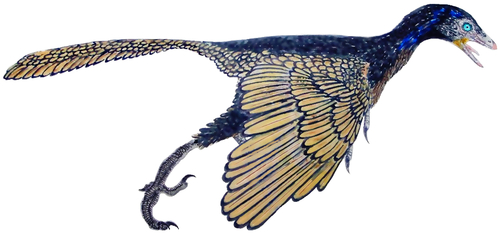
Contemporary Flyer (c) Pedro José Salas Fontelles, some rights reserved (CC BY-SA) · cc-by-sa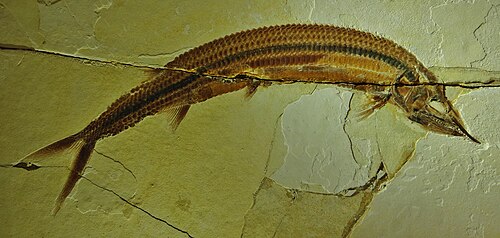
Predator Ghedoghedo / CC BY-SA 4.0 · cc-by-saClose Relative
Help improve the field guideSomething wrong?
Checking your Fauna account…Report a name, category, or profile issue for review.