
Invertebrate · GBIF taxon 5799725
Eurypterus remipes
Eurypterus remipesAlso known as Sea Scorpion, Silurian Sea Scorpion, New York State Fossil
Eurypterus remipes propelled itself through ancient waterways using broad, paddle-like rear limbs and steered with a flattened, blade-like telson. These armored chelicerates patrolled shallow, hypersaline lagoons and tidal flats during the Silurian Period, using spined front appendages to pin down soft-bodied prey. Spectacularly preserved fossil deposits reveal complete growth series, showing that young eurypterids molted repeatedly in sheltered coastal shallows much like modern horseshoe crabs.
PrehistoricCarnivorous
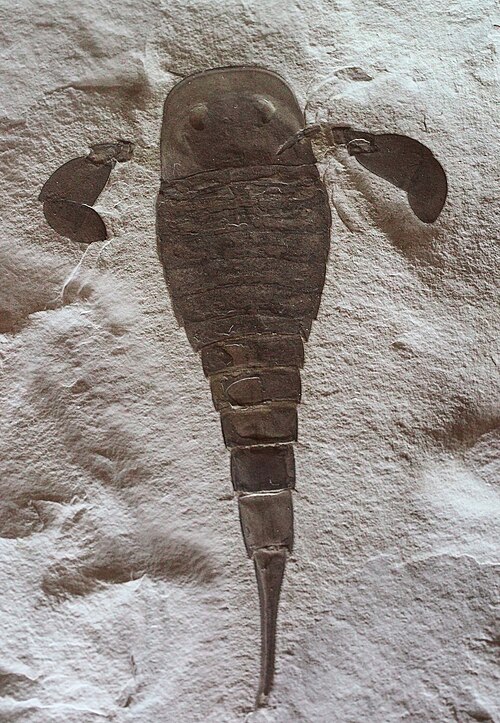
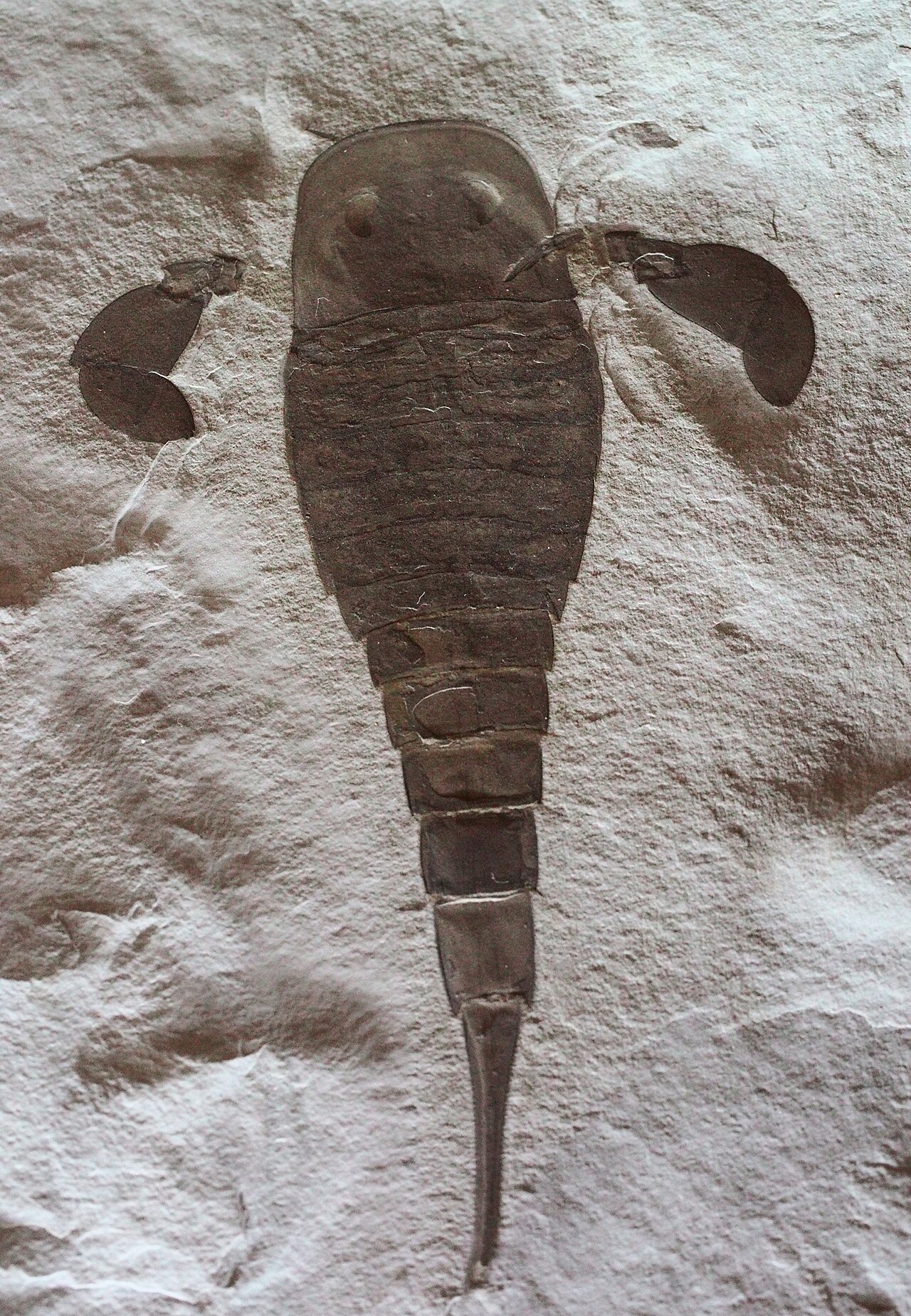
Licensed referenceLuis Fernández García / CC BY-SA 4.0 · cc-by-sa
—observations
—countries
—peak records
ExtinctConservation statusIUCN Red List categoriesLCNTVUENCREWEXExtinctRed List categories, explained →
Diet & prey
- Small trilobites
- Polychaete worms
- Early jawless fish
Predators
- Large cephalopods
- Giant pterygotid sea scorpions
ThreatsExtinct (marine ecosystem turnover during the mid-Paleozoic)
HabitatsShallow hypersaline lagoons, estuaries, and calm tidal bays
Life spanEstimated 5–10 years based on growth stages
Size / weightNot available
Classification
- FamilyEurypteridae
- GenusEurypterus
- SpeciesEurypterus remipes
Range data is not available yet.
Interaction riskLow
- Low
- Moderate
- High
- Very high
- Why interaction risk is low
- Extinct prehistoric species known exclusively from the fossil record.
Responsible observation
- Museum viewing: Observe articulated carapaces and compound eyes in paleontology exhibits.
- Field identification: Look for dark, carbonaceous chitinous outlines preserved in fine dolostone.
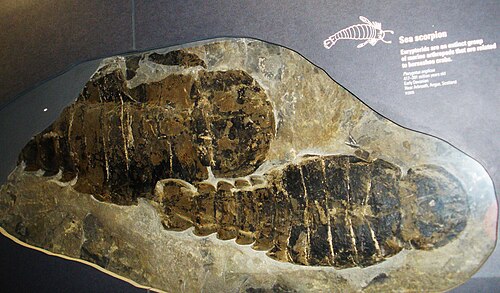
Predator Ghedoghedo / CC BY-SA 3.0 · cc-by-sa Image unavailable
Neighbor 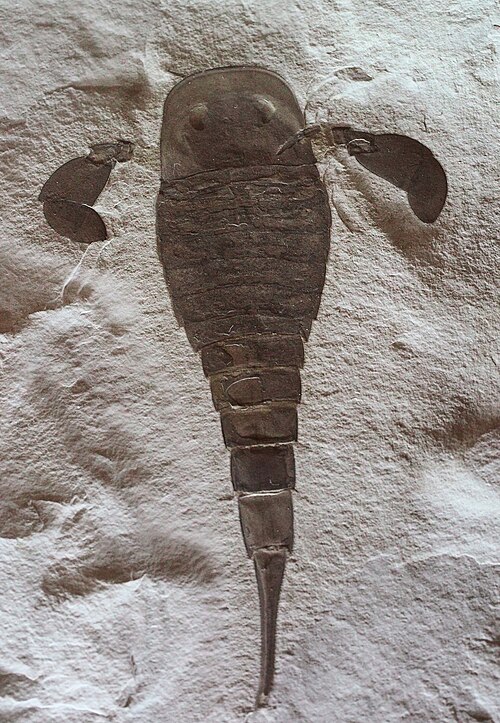
Close Relative Luis Fernández García / CC BY-SA 4.0 · cc-by-sa
Living Relative (c) Meghan Cassidy, some rights reserved (CC BY-SA), uploaded by Meghan Cassidy · cc-by-sa
Help improve the field guideSomething wrong?
Checking your Fauna account…Report a name, category, or profile issue for review.