
Invertebrate
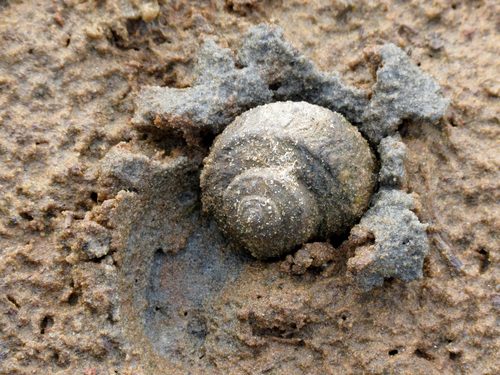
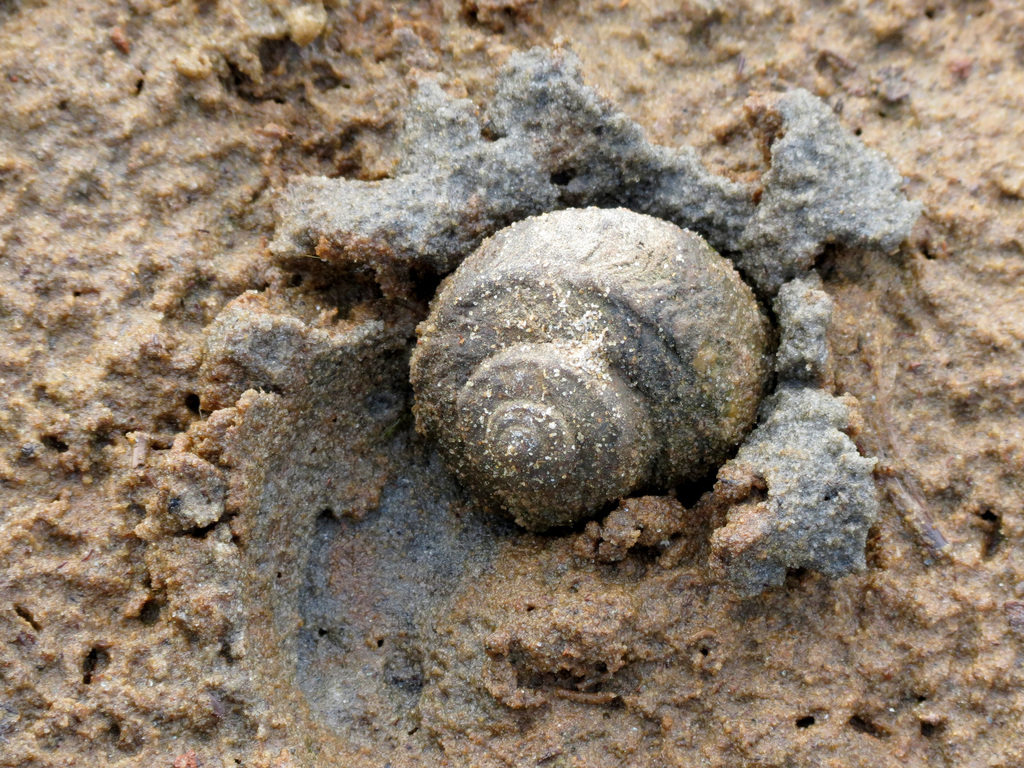
Mudflat Tītiko
Amphibola crenataAlso known as Titiko, New Zealand Mudflat Snail, Estuarine Snail
Mudflat tītiko occupy an evolutionary midpoint between marine and land mollusks, breathing air via a modified mantle cavity while retaining a protective horny operculum to seal against drying tides. When the water recedes, thousands emerge to glide across the silt, churning through surface sediment to extract bacteria, microscopic diatoms, and decomposing organic matter. They lay distinctive collar-shaped rings of sand and mucus packed with eggs, playing a fundamental role in aerating estuary mud across New Zealand.
IntertidalMolluskAir-breathing
—observations
—countries
—peak records
Not EvaluatedConservation statusIUCN Red List categoriesLCNTVUENCREWEXNot Evaluated — not placed on the risk ladderRed List categories, explained →
Diet & preyBenthic Diatoms, Estuarine Microbes, Organic Detritus
Predators
- South Island Pied Oystercatcher
- Variable Oystercatcher
- Mud Crab
ThreatsCoastal development, agricultural runoff, heavy metal sedimentation, and habitat loss
HabitatsSheltered intertidal mudflats, estuaries, and mangrove margins
Life span6–12 years
Classification
- FamilyAmphibolidae
- SpeciesAmphibola crenata
Range data is not available yet.
Interaction riskLow
- Low
- Moderate
- High
- Very high
- Why interaction risk is low
- Safe to observe at a normal distance.
Responsible observation
- Low Tide Timing: Visit estuarine sandflats at low tide to watch them glide across the wet silt.
- Tread Carefully: Watch where you step to avoid crushing exposed shells concealed beneath thin mud.
- Look For Egg Rings: Scan the sand in spring and summer to spot their characteristic circular sand-egg collars.
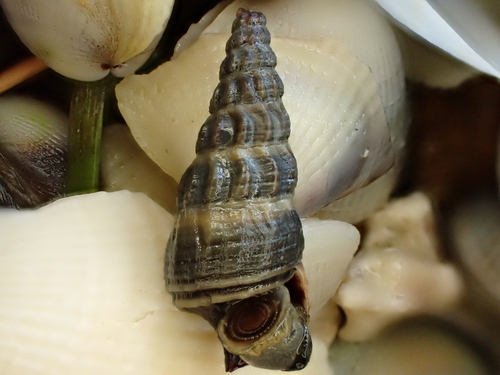
Neighbor (c) Saryu Mae 前 朝琉, some rights reserved (CC BY), uploaded by Saryu Mae 前 朝琉 · cc-by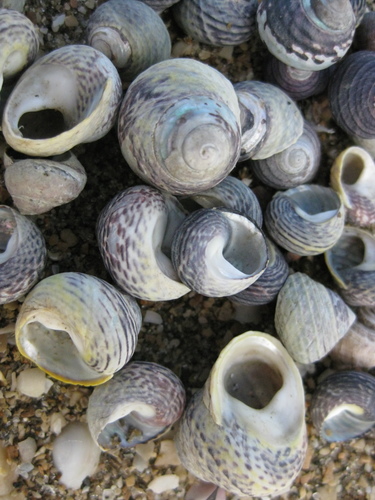
Competitor (c) Javier, some rights reserved (CC BY), uploaded by Javier · cc-by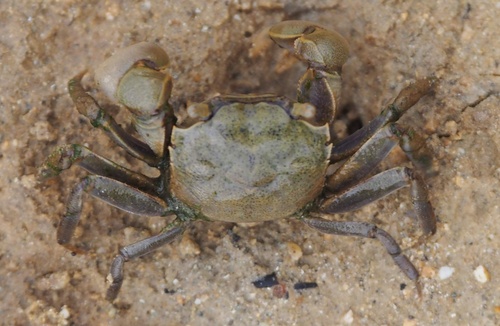
Predator (c) Michael Berardozzi, some rights reserved (CC BY), uploaded by Michael Berardozzi · cc-by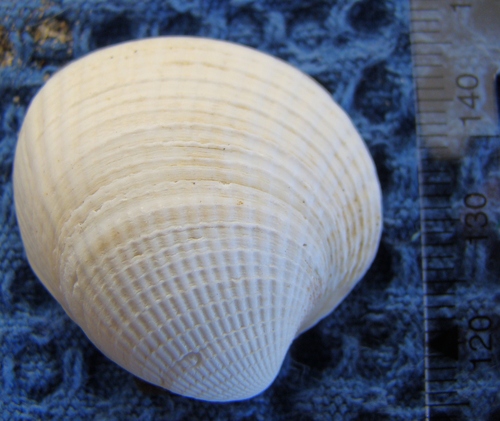
Neighbor (c) Lisa Bennett, some rights reserved (CC BY), uploaded by Lisa Bennett · cc-by
Help improve the field guideSomething wrong?
Checking your Fauna account…Report a name, category, or profile issue for review.