
Bird · GBIF taxon 5793241
Oriental Honey Buzzard
Pernis ptilorhynchusAlso known as Crested Honey Buzzard, Asiatic Honey Buzzard, Eastern Honey Buzzard
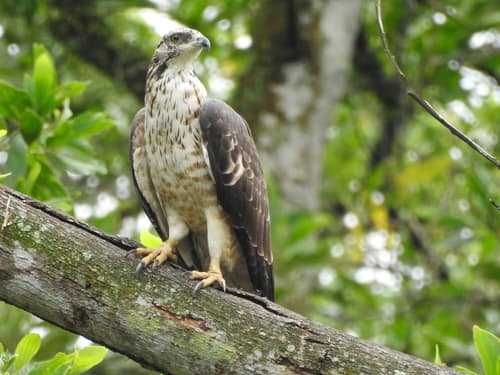
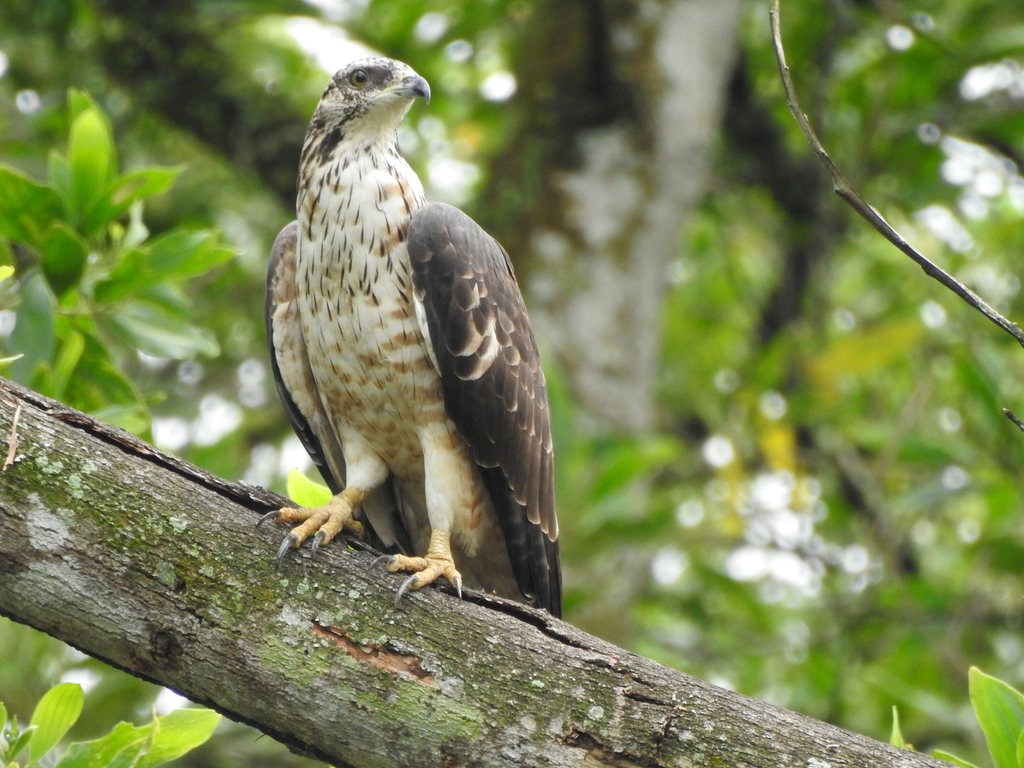
Oriental honey buzzards possess specialized scale-like feathers around their faces that protect them from painful stings while digging out subterranean wasp and bee nests. These adaptable raptors adjust their flight paths across Asia following seasonal monsoon winds and insect abundance. During courtship flights, males perform a distinctive wing-clapping display high above the forest canopy.
MigratoryInsectivorousRaptor
—observations
—countries
—peak records
Least ConcernConservation statusIUCN Red List categoriesLCNTVUENCREWEXLeast ConcernRed List categories, explained →
Diet & prey
- Wasp Larvae
- Bee Larvae
- Amphibians
Predators
- Eagles
- Large Owls
ThreatsDeforestation, heavy pesticide use lowering prey populations, and hunting along migration bottlenecks
HabitatsBroadleaf forests, mixed woodlands, plantation edges, and open country
Life span10–15 years
Size / weightNot available
Classification
- FamilyAccipitridae
- SpeciesPernis ptilorhynchus
Range data is not available yet.
Interaction riskLow
- Low
- Moderate
- High
- Very high
- Why interaction risk is low
- Equipped with sharp talons; maintain distance and never attempt to handle wild or grounded raptors.
Responsible observation
- Scanning Canopy: Look high along forest edges where they perch while watching for flying wasps.
- Identifying in Flight: Look for a long slender neck, small head, and distinctively banded tail feathers.
- Migration Watching: Observe prominent ridgelines and coastal flyways during autumn migration bottlenecks.
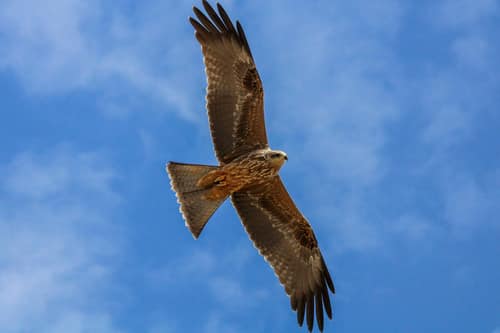
Frequent Companion no rights reserved, uploaded by Joshua S. Martin · cc0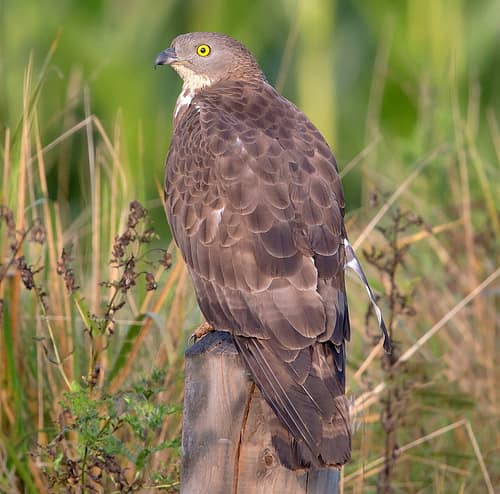
Close Relative Andreas Trepte / CC BY-SA 2.5 · cc-by-sa
Help improve the field guideSomething wrong?
Checking your Fauna account…Report a name, category, or profile issue for review.