
Reptile · GBIF taxon 5789628
Broad-headed Skink
Plestiodon laticepsAlso known as Broadhead Skink
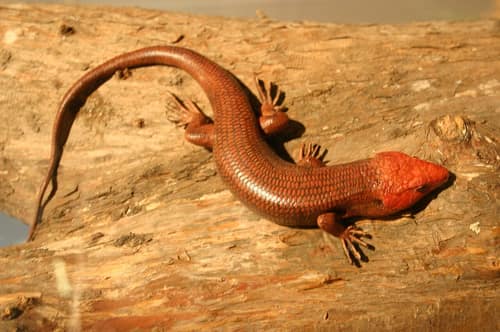
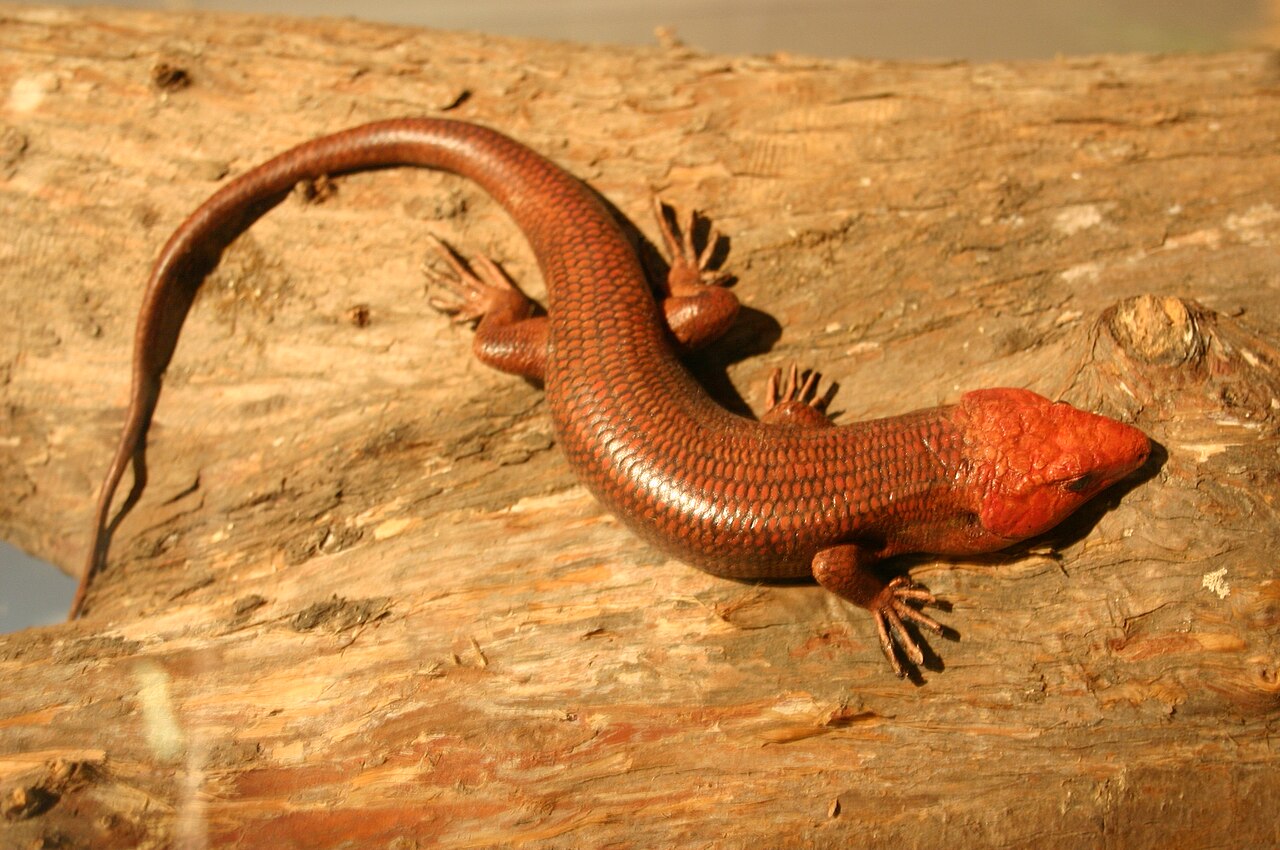
Broad-headed Skinks are large, smooth-scaled lizards with powerful jaws and short limbs. Adult males develop broad reddish heads during breeding season, while young animals show pale body stripes and bright blue tails.
skinkwoodlandtree climber
—observations
—countries
—peak records
Least ConcernConservation statusIUCN Red List categoriesLCNTVUENCREWEXLeast ConcernRed List categories, explained →
Diet & prey
- beetles
- spiders
- snails
Predators
- snakes
- hawks
- raccoons
ThreatsForest clearing, removal of dead wood, road mortality, pesticides, and collection
HabitatsMature woodlands, wooded edges, hollow trees, and fallen logs
Life spanCommonly several years, with captive individuals sometimes living beyond eight years
Size / weightNot available
Classification
- FamilyScincidae
- GenusPlestiodon
- SpeciesPlestiodon laticeps
Range data is not available yet.
Interaction riskLow
- Low
- Moderate
- High
- Very high
- Why interaction risk is low
- A captured skink may deliver a strong defensive bite and shed its tail.
- Why it is dangerous
- Broad-headed Skinks have strong jaws and can bite firmly when restrained or cornered.
- How to recognize a risky encounter
- Look for a large robust skink; breeding males show an enlarged orange-red head.
- What to do
- Do not grab the lizard or tail, and clean any accidental bite that breaks skin.
Responsible observation
- Watch: Scan sunny trunks, logs, and tree cavities without blocking escape routes.
- Identify: Separate adults from similar skinks by their robust build and broad head.
Help improve the field guideSomething wrong?
Checking your Fauna account…Report a name, category, or profile issue for review.