
Reptile
Nocturnal Desert Skink
Liopholis striataAlso known as Night Skink, Striated Egernia
Night skinks spend sweltering desert days sequestered within deep, self-excavated burrows tucked securely under clumps of prickly spinifex grass. After dusk cools the red sandplains, these stout lizards emerge to forage for termites, beetles, and nocturnal spiders, darting backward into shelter at the faintest footstep. Their nocturnal habits serve as an essential evolutionary escape from extreme desert heat and predatory birds of prey.
NocturnalBurrowingReptile
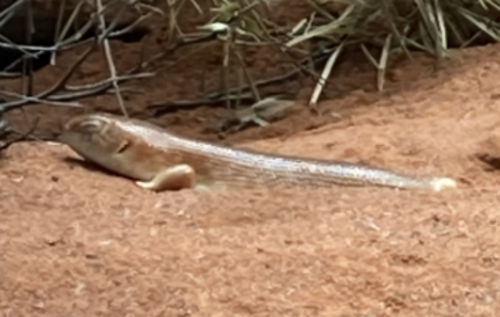
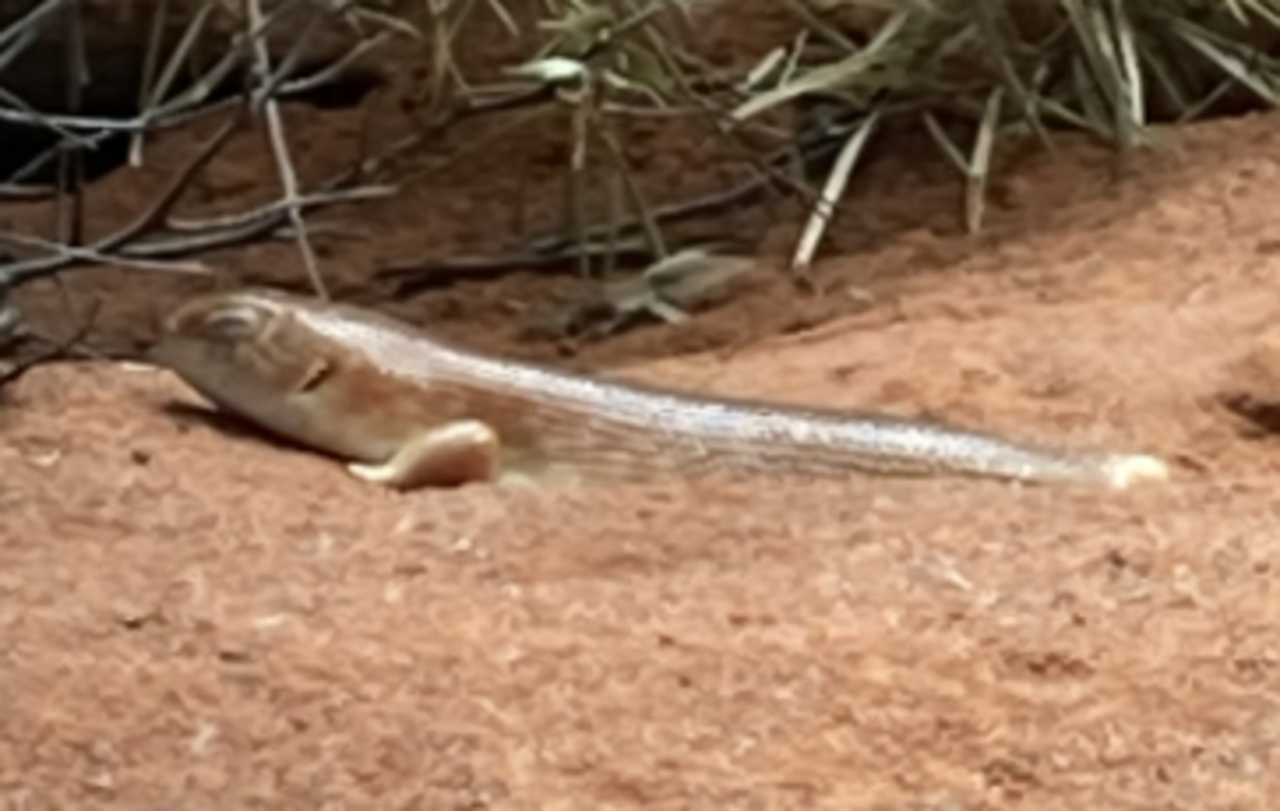
—observations
—countries
—peak records
Least ConcernConservation statusIUCN Red List categoriesLCNTVUENCREWEXLeast ConcernRed List categories, explained →
Diet & preyTermites, Ants, Spiders
Predators
- Feral Cat
- Mulga Snake
- Sand Goanna
ThreatsFeral cat and fox predation, altered wildfire regimes, and pastoral disturbance
HabitatsArid sand dunes, red sandplains, and spinifex hummock grasslands
Life span10–15 years
Classification
- FamilyScincidae
- SpeciesLiopholis striata
Range data is not available yet.
Interaction riskLow
- Low
- Moderate
- High
- Very high
- Why interaction risk is low
- Harmless to humans; safe to observe from a respectful distance.
Responsible observation
- Spotlighting: Use a low-intensity red headlamp at night to observe foraging activity without startling them.
- Burrow Awareness: Watch your step near spinifex clumps to avoid collapsing their fragile underground tunnel systems.
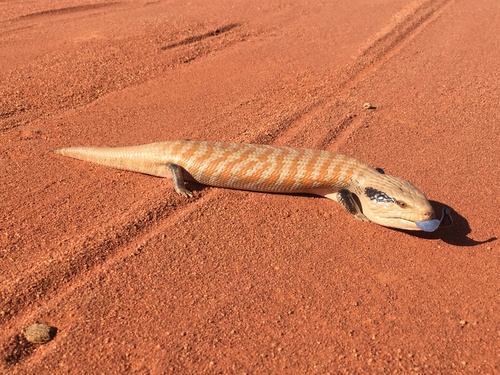
Neighbor (c) Nicole Kearney, some rights reserved (CC BY), uploaded by Nicole Kearney · cc-by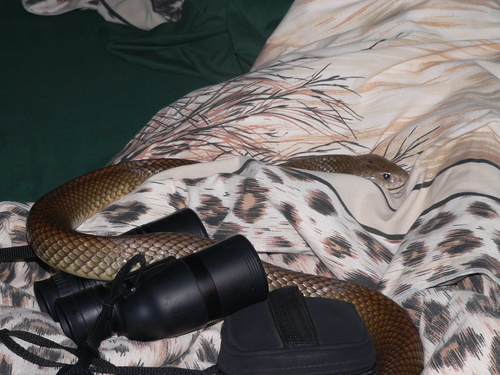
Predator (c) Belinda Forbes, some rights reserved (CC BY) · cc-by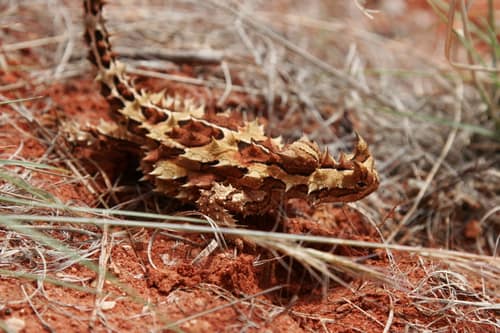
Neighbor (c) Steve Shattuck, some rights reserved (CC BY) · cc-by Image unavailable
Close Relative
Help improve the field guideSomething wrong?
Checking your Fauna account…Report a name, category, or profile issue for review.