
Mammal
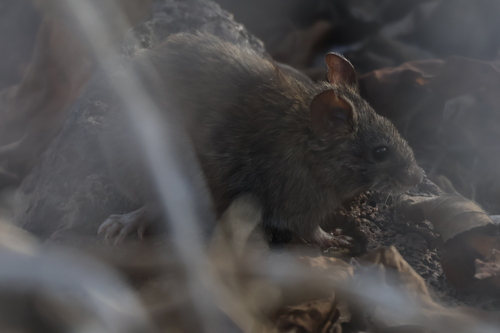
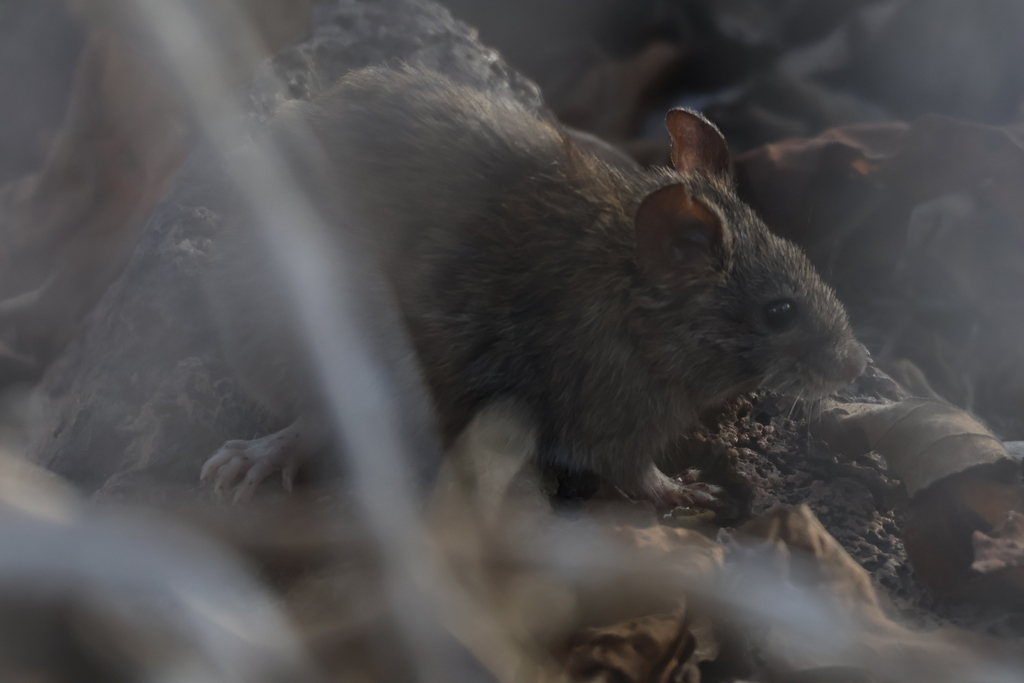
Galápagos Rice Rat
Aegialomys galapagoensisAlso known as Galápagos Oryzomys, Santa Fe Rice Rat
Galápagos rice rats are nocturnal island rodents that shelter beneath lava boulders and prickly pear cacti during the heat of the day. They emerge after dusk to forage across coastal arid scrub, searching for fallen seeds, tender succulent shoots, and opportunistic insects. Surviving only on small, predator-free islands, they represent one of the very few native land mammals in the Galápagos archipelago.
EndemicNocturnalIsland Native
—observations
—countries
—peak records
VulnerableConservation statusIUCN Red List categoriesLCNTVUENCREWEXVulnerableRed List categories, explained →
Diet & preyPrickly Pear Cactus Fruit, Native Seeds, Invertebrates
Predators
- Galápagos Hawk
- Galápagos Barn Owl
- Galápagos Lava Gull
ThreatsInvasive black rats, feral domestic animals, and extreme climatic events
HabitatsArid coastal lowlands and lava scrub
Life span1–3 years
Classification
- FamilyCricetidae
- SpeciesAegialomys galapagoensis
Range data is not available yet.
Interaction riskLow
- Low
- Moderate
- High
- Very high
- Why interaction risk is low
- Capaple of a defensive nip if cornered or handled; observe quietly from a distance.
- Why it is dangerous
- Like most wild rodents, they have sharp incisors and will bite defensively if grasped or restrained.
- How to recognize a risky encounter
- Recognized by yellowish-brown fur, large dark eyes, and a scaly, lightly haired tail.
- What to do
- Do not attempt to touch, feed, or corner these native rodents.
- What to notice
- Medium-sized native rodent active after dusk in dry cactus and scrub zones of Santa Fe Island.
- Support conservation
- Maintain trail etiquette, pack out all food scraps, and strictly avoid introducing non-native organisms.
Responsible observation
- Night Spotting: Look quietly along marked trails after dusk using red light to avoid disturbing nocturnal activity.
- Habitat Protection: Stay strictly on designated paths to avoid crushing delicate lava-rock burrows.
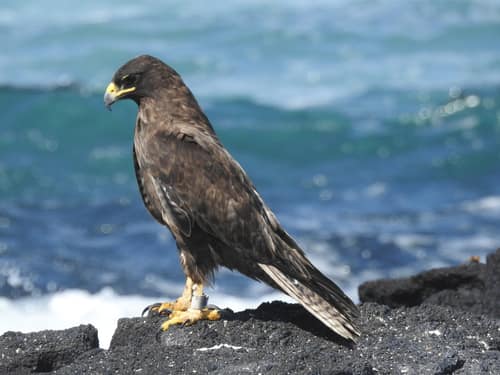
Predator (c) Tristan Jobin, some rights reserved (CC BY), uploaded by Tristan Jobin · cc-by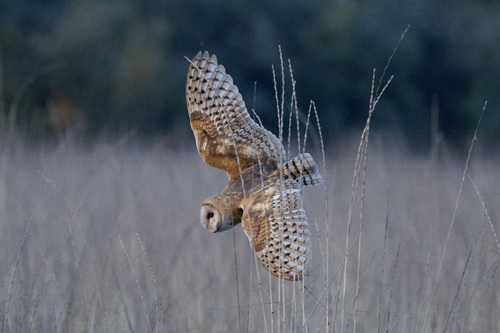
Predator no rights reserved · cc0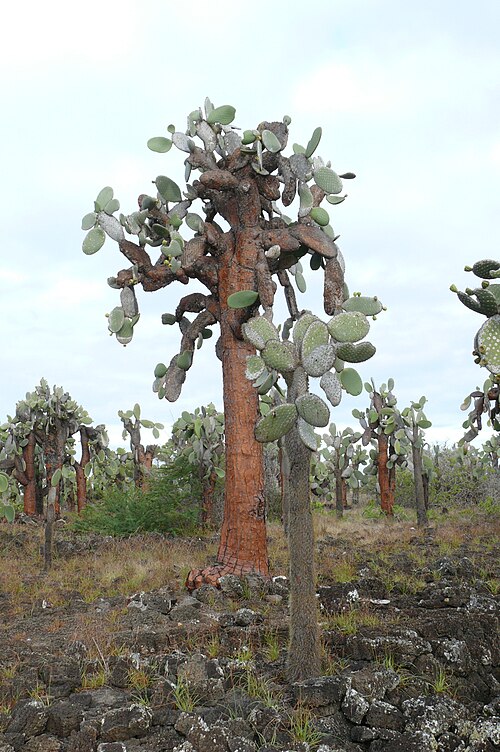
Host Plant Haplochromis / CC BY-SA 3.0 · cc-by-sa Image unavailable
Close Relative
Help improve the field guideSomething wrong?
Checking your Fauna account…Report a name, category, or profile issue for review.