
Insect · GBIF taxon 5748844
Rhizophagus dispar
Rhizophagus disparRhizophagus dispar thrives in the subcortical microhabitats of decaying deciduous and coniferous woodlands across the Palearctic. Adults and larvae navigate narrow galleries carved by wood-boring insects, where they hunt bark beetle eggs and larvae while feeding on fungal growth. These slender beetles overwinter beneath loose bark and frequently gather near fermenting sap runs in early spring.
WoodlandSubcorticalPredatory
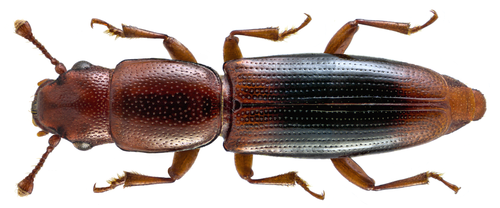
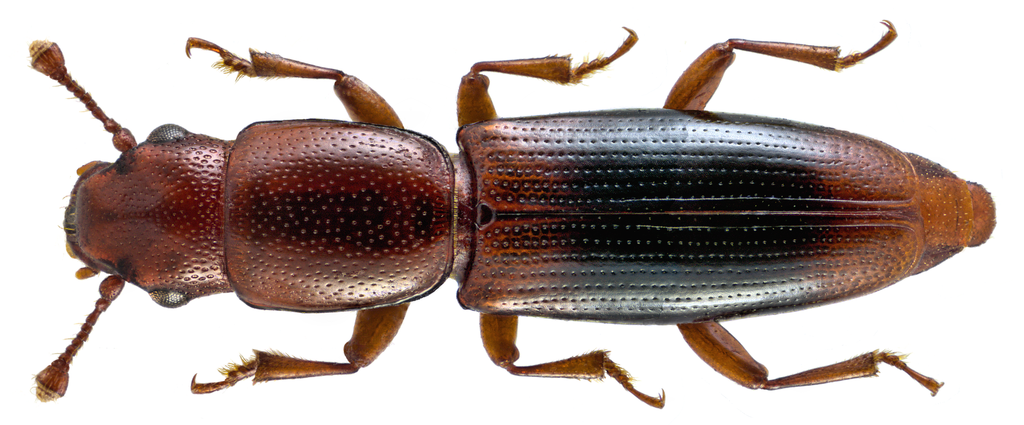
—observations
—countries
—peak records
Not EvaluatedConservation statusIUCN Red List categoriesLCNTVUENCREWEXNot Evaluated — not placed on the risk ladderRed List categories, explained →
Diet & prey
- Bark beetle eggs
- Bark beetle larvae
- Fungal spores
Predators
- Woodpeckers
- Treecreepers
- Staphylinid beetles
ThreatsIntensive forestry and deadwood removal
HabitatsUnder the bark of decaying deciduous and coniferous trees
Life spanAround 1 year
Classification
- FamilyMonotomidae
- SpeciesRhizophagus dispar
Range data is not available yet.
Interaction riskLow
- Low
- Moderate
- High
- Very high
- Why interaction risk is low
- Safe to observe at a normal distance.
Responsible observation
- Field Observation: Gently inspect the undersides of loose, fallen bark without stripping living wood.
- Microhabitat Preservation: Always replace detached bark to protect vulnerable invertebrates inside.
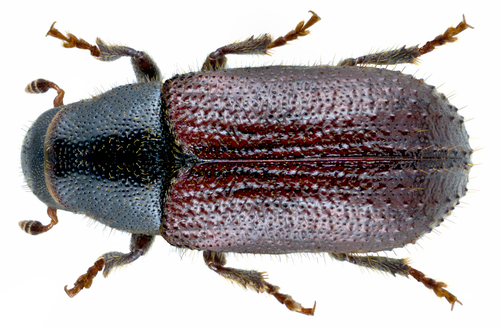
Prey (c) Udo Schmidt, bazı hakları saklıdır (CC BY-SA) · cc-by-sa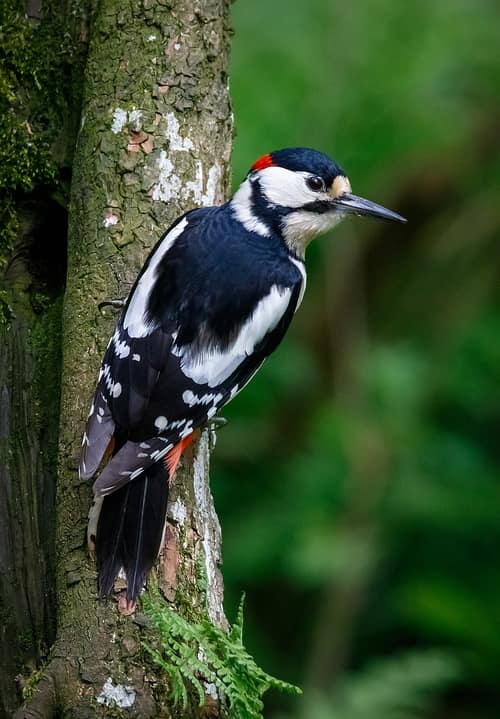
Predator Gerry Zambonini / CC BY-SA 2.0 · cc-by-sa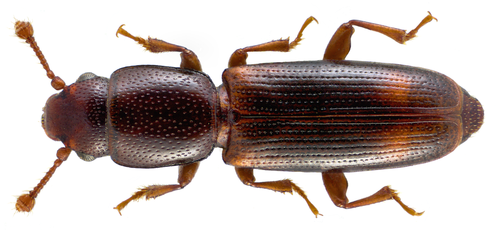
Close Relative (c) Udo Schmidt, some rights reserved (CC BY-SA) · cc-by-sa
Help improve the field guideSomething wrong?
Checking your Fauna account…Report a name, category, or profile issue for review.